Overview
Fracture and Bone Injury Treatment in Sharjah
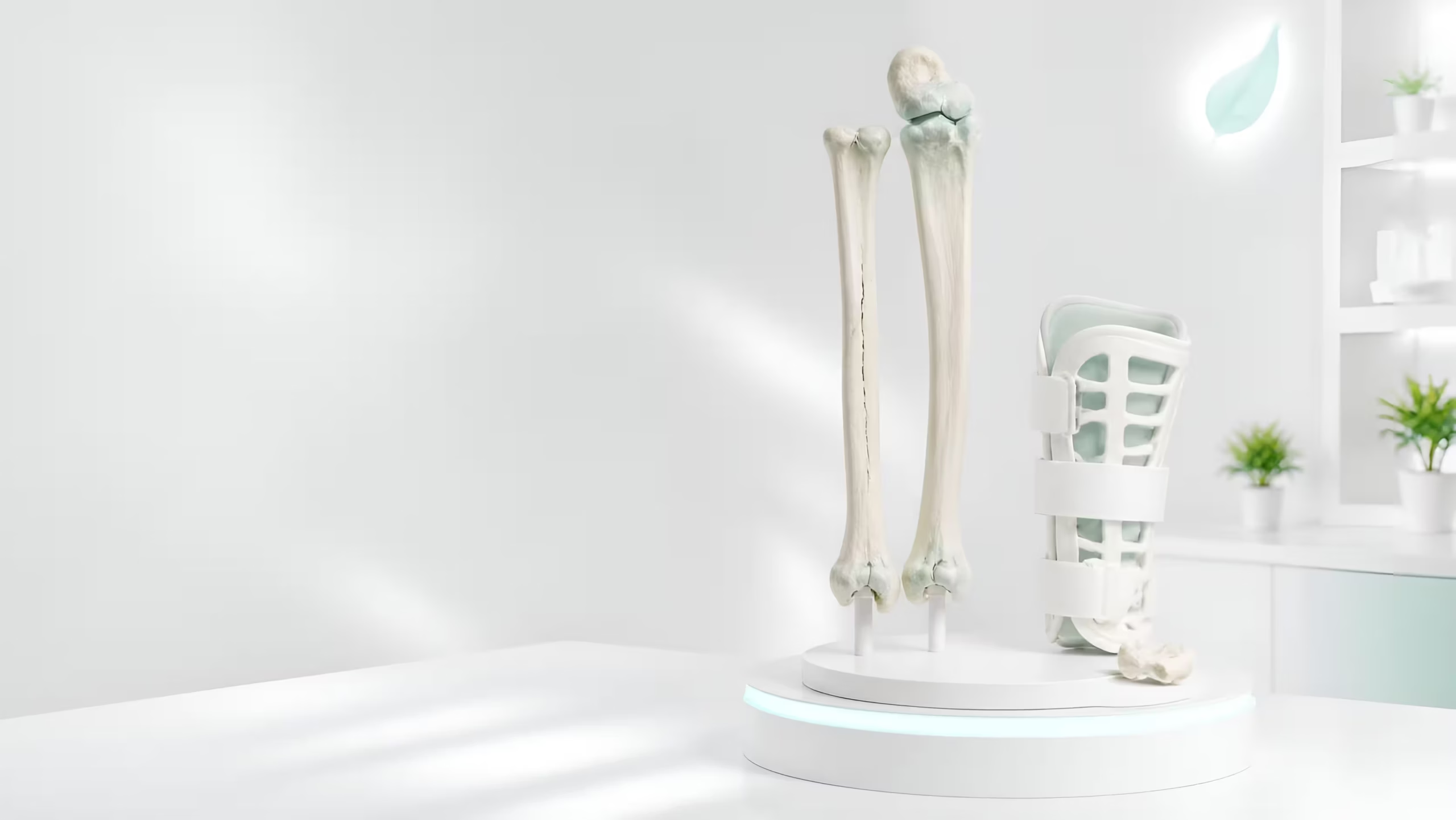
Bone fractures and injuries can occur after falls, road accidents, sports injuries or direct impact. The severity can range from a minor fracture to an injury requiring specialised immobilisation or surgery. It may not always be possible to distinguish a fracture from a sprain or bruise based on symptoms alone.
At Ebn Haian Healthcare, we emphasise the importance of appropriate medical assessment when a fracture or bone injury is suspected. Treatment depends on the location and type of fracture, the alignment of the bone, the patient’s age and overall health.
If you are looking for fracture treatment in Sharjah or a bone injury assessment in the UAE, timely diagnosis and following appropriate care instructions can help reduce complications and support recovery.
If an injury is severe, there is an obvious deformity, bone is visible through the skin, or the affected limb becomes numb, cold or discoloured, seek emergency medical care immediately.
What Are Bone Fractures and Injuries?
A bone fracture occurs when a force exceeds the strength of the bone, causing a partial or complete break. Other bone and musculoskeletal injuries may include bruises, contusions and injuries involving joints, ligaments or surrounding tissues. These can occur alone or alongside a fracture.
The severity of pain alone cannot confirm or rule out a fracture. Some fractures allow a degree of movement, while other injuries may cause significant pain without a broken bone. Diagnosis relies on medical examination and imaging when indicated.
What Are the Types of Fractures and Bone Injuries?
Fractures can be classified according to their pattern and location. Common types include the following.
1. Closed Fractures
A closed fracture occurs when the broken bone does not communicate with an open wound through the skin. Pain, swelling and difficulty using the affected limb may still occur.
2. Open Fractures
An open fracture involves a wound that communicates with the fracture site. Bone may or may not be visible through the wound. These injuries are emergencies because of the risk of infection and damage to surrounding tissues.
3. Displaced and Non-Displaced Fractures
In a non-displaced fracture, the bone fragments remain relatively close to their normal alignment. In a displaced fracture, the fragments have moved out of position and may require realignment, depending on the injury.
4. Stress Fractures
Some fractures develop gradually because of repeated loading on a bone. They may occur in people who participate in intensive physical activity or increase their training too quickly.
5. Fractures in Children
Children’s fractures can differ from adult fractures because their bones are still developing. Injuries in children require age-appropriate assessment, particularly when a growth plate may be involved.
What Are the Symptoms of a Bone Fracture?
Possible signs of a fracture or bone injury include:
- Localised pain, often worsening with movement or pressure.
- Swelling or bruising around the injury.
- Difficulty moving or using the affected limb normally.
- Pain when bearing weight on the leg or foot.
- Visible deformity or a change in the shape of the limb.
- A cracking sound or sensation at the time of injury, which does not by itself confirm a fracture.
- An open wound at the injury site in some cases.
- Numbness, coldness or a change in limb colour, which requires urgent assessment.
Fracture symptoms can overlap with those of sprains, bruises and ligament injuries. If you suspect a fracture, do not try to test the bone or force the limb back into position.
What Commonly Causes Bone Fractures?
Possible causes include:
- Falls: Particularly falls from a height or onto the hand or hip.
- Road traffic accidents: These can cause multiple fractures and injuries to surrounding tissues or blood vessels.
- Sports injuries: Including collisions, severe twisting injuries and falls during physical activity.
- Direct impact: When a bone is exposed to substantial force.
- Repeated stress: Repeated loading can cause stress fractures.
- Reduced bone strength: Conditions that affect bone density can increase fracture risk, sometimes after relatively minor injuries.
How Are Fractures and Bone Injuries Diagnosed?
Assessment begins with understanding how and when the injury occurred, the severity of pain and whether the patient can move or bear weight on the affected limb. A clinician examines the injury and may assess circulation, sensation and movement.
Diagnosis may include the following.
Physical Examination
The clinician evaluates pain, swelling, bruising, limb alignment and range of motion, as well as signs that may suggest nerve or blood vessel injury.
X-rays
X-rays are used to identify many fractures and assess their location and alignment. Further imaging may be required if the injury is unclear or a complex fracture is suspected.
Additional Imaging
CT or MRI may be considered in selected cases depending on the injury site, examination findings and initial imaging results. Not every patient requires these investigations.
Assessment of Surrounding Tissues
The clinician may also assess joints, ligaments and soft tissues, particularly after high-impact injuries or when other signs suggest additional damage.
What Are the Treatment Options for Fractures and Bone Injuries?
Treatment depends on the type and location of the fracture, its stability and displacement, and the patient’s age and health. Depending on the diagnosis, treatment may include the following options.
1. Immobilisation and Splinting
A splint, cast or other suitable support may be used to limit movement and protect the injured area. The clinician determines the appropriate method and duration. Increasing pain, numbness or changes in limb colour should prompt medical review.
2. Bone Realignment
Some fractures require the bone fragments to be repositioned before immobilisation. This must be performed by a qualified professional; patients should never attempt to pull or reposition a bone at home.
3. Surgery When Necessary
Some fractures require surgery to restore alignment and stabilise the bone using suitable devices, such as plates, screws or rods, depending on the injury. Not every fracture requires an operation.
4. Pain Management
A clinician may recommend appropriate pain relief based on age, medical history and other medicines being taken. Do not exceed recommended doses or combine medicines without appropriate advice.
5. Physiotherapy and Rehabilitation
Once the injury is sufficiently stable and the clinician advises that rehabilitation can begin, physiotherapy may help restore movement, strength, balance and everyday function. The timing and intensity of exercises depend on the fracture and its stage of healing.
6. Fracture Follow-Up
Some fractures require follow-up appointments and imaging to assess healing and alignment. Following instructions about movement, weight-bearing and review appointments is important during recovery.
What Should You Do if You Suspect a Fracture?
If you sustain an injury and suspect a fracture, take the following steps while seeking medical help:
- Stop the activity and avoid putting weight on the injured limb.
- Keep the limb as still as possible in the position in which it was found.
- Do not try to realign a bone or joint.
- Do not push exposed bone back through the skin or press directly on the wound.
- If there is an open wound, cover it with a clean dressing without pressing on protruding bone.
- Seek emergency help for severe injuries, major bleeding, deformity, loss of sensation or changes in limb colour.
Do not delay medical assessment to try home treatments, especially when signs suggest a fracture or serious injury.
How Long Does Fracture Recovery Take?
Bone healing time varies according to the fracture type, location and severity, as well as the patient’s age and health. Some fractures heal over several weeks, while complex fractures or fractures in certain locations may take longer.
Recovery involves more than bone healing. Patients may also need to regain strength, range of motion and balance. Follow the clinician’s instructions about immobilisation, weight-bearing and returning to work or sport. Do not resume activities too early without medical clearance.
How Can You Reduce the Risk of Fractures and Bone Injuries?
Some measures may help reduce injury risk:
- Use appropriate protective equipment during sports.
- Follow safety guidance when driving or working.
- Reduce fall hazards at home, particularly for older adults.
- Increase exercise intensity gradually and avoid excessive repetitive loading.
- Support bone health through appropriate nutrition and individualised care.
- Seek assessment for persistent pain after exercise or injury.
These measures cannot prevent every fracture, but they can reduce some risks.
Why Choose Ebn Haian Healthcare for Fracture and Bone Injury Assessment?
- Assessment Based on the Injury
- Guidance Towards Appropriate Care
- Attention to Recovery
- Access to Care in Sharjah and the UAE
Important: Open fractures, severe injuries and signs of impaired sensation or circulation require emergency assessment. Do not delay emergency care to arrange a clinic appointment.
Frequently Asked Questions About Fracture and Bone Injury Treatment
1. How can I tell whether a bone is broken or just bruised?
A fracture may cause pain, swelling, bruising and difficulty moving, but these symptoms can also occur with other injuries. Symptoms alone cannot confirm or exclude a fracture, and an X-ray may be needed after medical assessment.
2. Do all bone fractures require surgery?
No. Some fractures can be treated with immobilisation or a cast, while others require realignment or surgery. The decision depends on the location, type, stability and displacement of the fracture, among other factors.
3. How long does a bone fracture take to heal?
Healing time varies according to the fracture, its location and severity, and the patient’s age and health. Some fractures heal within several weeks, while others take longer and require additional follow-up.
4. Can I walk with a foot or leg fracture?
You should not assume walking is safe simply because you can put some weight on the limb. If a fracture is suspected, avoid weight-bearing until you have been medically assessed and given appropriate advice.
5. What should I do if I have an open fracture?
Seek emergency medical help immediately. Do not push the bone back into place or attempt to clean the wound deeply. Cover the area with a clean dressing without pressing on exposed bone, and follow emergency medical instructions.
6. Can a fracture be present even if I can move the limb?
Yes. Being able to move a limb does not rule out a fracture. If an injury causes pain, swelling or difficulty using the limb, medical examination and imaging may be needed.
7. When can I return to sports after a fracture?
Returning to sport depends on the fracture, healing progress and recovery of strength and movement. Return should be gradual and guided by the treating clinician or rehabilitation team, rather than based on reduced pain alone.
8. Where can I get a bone injury assessment in Sharjah?
Contact Ebn Haian Healthcare to ask about bone injury assessment, clinician availability and the appropriate branch. Severe injuries, open fractures or signs of impaired circulation require emergency care immediately