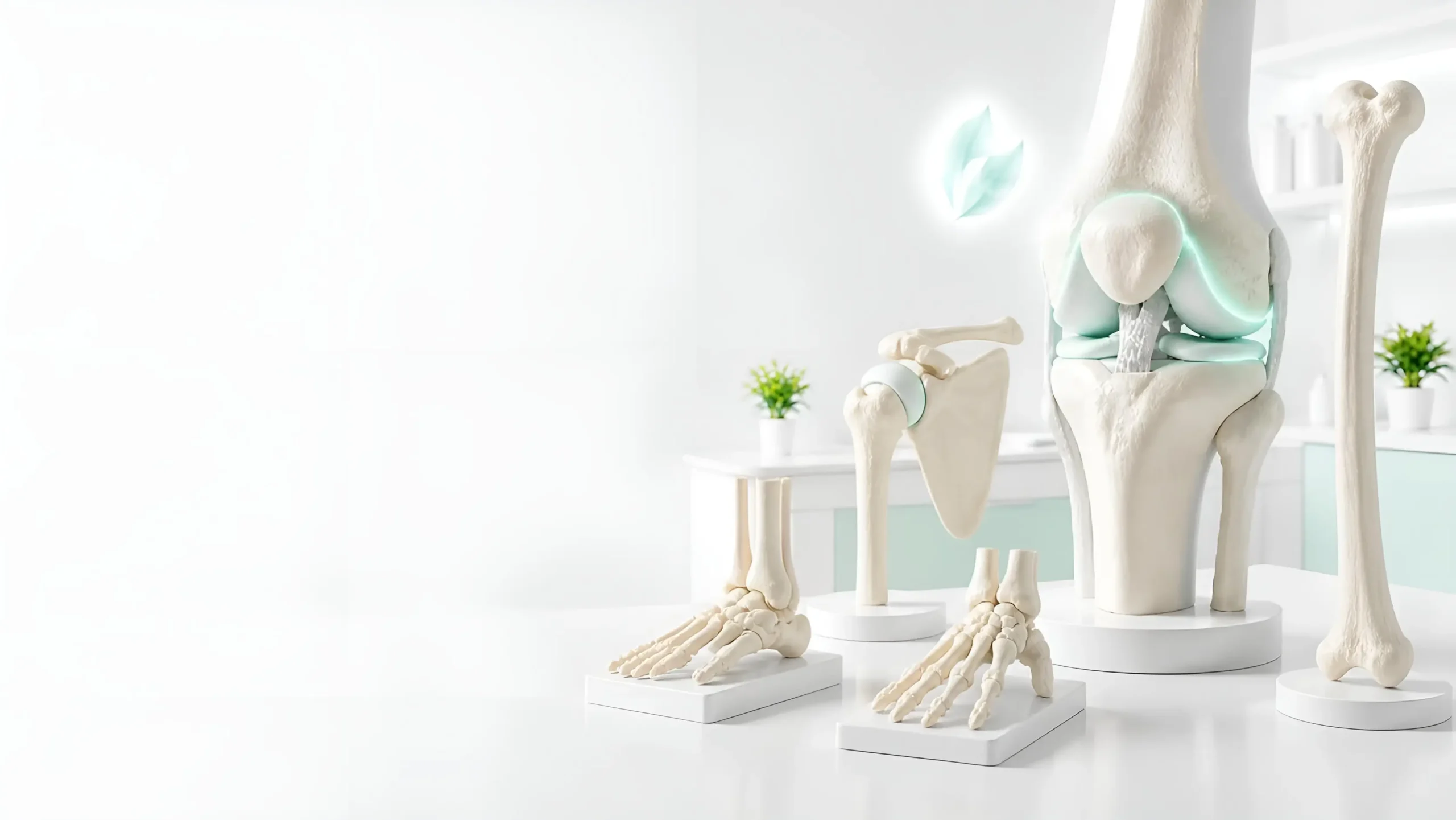
Overview
Sports Injury Treatment in Sharjah
Sports injuries are common among athletes and people who exercise regularly. They may occur during football, running, strength training or other physical activities. Injuries range from muscle strains and sprains to tendon, ligament and joint injuries, and may also include fractures.
At Ebn Haian Healthcare, we emphasise the importance of appropriate assessment to determine the nature and severity of a sports injury and the next steps for treatment and recovery. The appropriate approach depends on the affected area, the tissues involved, the person’s activity level and the clinical findings.
If you are looking for sports injury treatment in Sharjah or a sports injury assessment in the UAE, appropriate management can help reduce the risk of worsening the injury and support a gradual, safer return to physical activity.
Important: Seek urgent medical assessment if an injury causes obvious deformity, severe pain after significant trauma, inability to bear weight, loss of sensation or changes in limb colour. Head injuries involving loss of consciousness or significant confusion also require emergency assessment.
What Are Sports Injuries?
Sports injuries are injuries that occur during sports, exercise or repeated physical activity. They may affect muscles, tendons, ligaments, joints or bones.
An injury can happen suddenly because of an awkward movement, collision or fall. It can also develop gradually when the same movements are repeated or training intensity increases without sufficient recovery time.
Different injuries require different treatment approaches. A muscle strain is not the same as a ligament tear or bone fracture, so identifying the injury is important before choosing exercises, medication or a rehabilitation programme.
What Are the Most Common Types of Sports Injuries?
1. Muscle Strains and Tears
A muscle strain occurs when muscle fibres are stretched beyond their capacity. Some fibres may tear, particularly during sprinting, jumping or sudden changes in direction.
Possible symptoms include localised pain, muscle spasms, swelling and difficulty using the affected muscle.
2. Ligament Sprains
Ligaments connect bones and help stabilise joints. A sprain occurs when a joint moves beyond its normal range, as can happen with an ankle sprain or certain knee injuries.
Sprains range from mild stretching to partial or complete ligament tears. Some injuries require specialist assessment to determine their severity.
3. Tendon Injuries
Tendons connect muscles to bones. They may become irritated, inflamed or torn because of repeated strain or excessive loading. Tendon injuries can affect the shoulder, knee, ankle or other areas, depending on the activity.
4. Sports-Related Knee Injuries
Knee injuries may occur during sudden changes of direction, landing after a jump or direct impact. Possible injuries include ligament, meniscus and tendon problems. Symptoms may include swelling, instability or difficulty walking.
5. Shoulder Injuries
Shoulder muscles and tendons can be affected by weightlifting or sports involving repeated overhead movements. An injury may cause pain when raising the arm or reduced shoulder function.
6. Ankle and Foot Injuries
Ankle sprains are common in sports involving jumping, running or rapid changes of direction. Injuries may range from ligament stretching to more severe damage or a fracture. Symptoms alone cannot reliably determine the type of injury.
7. Fractures and Bone Injuries
Collisions, falls and high-impact forces can cause fractures or other bone injuries. If a fracture is suspected, avoid putting weight on the affected limb and seek appropriate medical assessment.
8. Overuse Injuries
Some injuries develop gradually when training duration or intensity increases too quickly, or when movements are repeated without adequate rest. Muscles, tendons and bones may be affected, including stress fractures in some cases.
What Are the Symptoms of Sports Injuries?
Symptoms vary depending on the injury and the affected area. They may include:
- Sudden pain during or after exercise.
- Swelling or bruising around the injured area.
- Muscle tightness, spasms or weakness.
- Difficulty moving a joint or using the affected limb.
- Pain when bearing weight, running or jumping.
- Reduced range of motion or stiffness.
- Joint instability or a feeling that the joint cannot support weight normally.
- Pain that recurs with sports activity or gradually worsens during training.
Some symptoms may indicate a minor injury, while others can suggest a tear, fracture or condition requiring urgent treatment. Pain intensity alone does not reliably indicate injury severity.
What Causes Sports Injuries?
Common causes and contributing factors include:
- Inadequate warm-up before physical activity.
- Increasing training intensity or duration too quickly.
- Repeating the same movements without sufficient recovery.
- Reduced muscle strength, balance or movement control.
- Awkward landings or sudden changes in direction.
- Collisions or falls during sports.
- Unsuitable equipment or inappropriate training surfaces.
- Returning to exercise before a previous injury has recovered.
- Fatigue that affects concentration and movement control.
Injuries can still occur even when precautions are followed. Prevention reduces certain risks but cannot eliminate every injury.
How Are Sports Injuries Diagnosed?
Assessment depends on how the injury occurred, the symptoms and the person’s activity level. A clinician then examines the affected area and determines whether additional investigations are necessary.
1. Medical and Sports History
The clinician may ask about the sport being played, the movement that caused the injury, when the pain began, previous injuries and whether the patient can walk or move the affected limb.
2. Physical Examination
The examination may assess swelling, tenderness, range of motion, muscle strength and joint stability. Further tests depend on the location and severity of the injury.
3. Imaging When Needed
X-rays may be used when a fracture is suspected. Ultrasound or MRI may help assess selected tendon, ligament and soft-tissue injuries. Not every sports injury requires imaging.
4. Treatment and Rehabilitation Planning
Once the injury has been assessed, a plan can be tailored to the diagnosis and the patient’s functional needs. It may include temporary activity restrictions and guidance on when to begin rehabilitation exercises or gradually return to sport.
What Are the Treatment Options for Sports Injuries?
Sports injury treatment depends on the type and severity of the injury. There is no single approach that is appropriate for every case.
1. Protecting the Injured Area and Modifying Activity
Stopping the activity that caused the injury and avoiding movements that worsen the pain may reduce further strain while the injury is assessed.
2. Cold Packs and Elevation When Appropriate
A cold pack wrapped in a cloth may help relieve pain and swelling after some recent injuries. Avoid applying ice directly to the skin or leaving it in place for prolonged periods without breaks. Elevating the injured limb when practical may also help reduce swelling.
These measures do not replace medical assessment when a serious injury is suspected.
3. Appropriate Medication
A clinician may recommend pain relief or anti-inflammatory medication according to the injury, medical history and other medicines being taken. Do not take medication indiscriminately or use painkillers to mask symptoms and continue training despite an injury.
4. Immobilisation When Needed
Some ligament injuries and fractures may require a splint, brace or other suitable support. A clinician determines the appropriate method and duration. Avoid prolonged immobilisation without review or medical guidance.
5. Physiotherapy and Sports Rehabilitation
An appropriate rehabilitation programme may help restore range of motion, strength, balance and movement control. Exercises are introduced gradually according to the injury and stage of recovery. They may include muscle strengthening, balance training and sport-specific movements.
6. Surgery in Selected Cases
Some injuries, including certain severe tears or complex fractures, may require surgical assessment. A sports injury does not automatically mean surgery is necessary; the decision depends on the diagnosis, severity and individual needs.
When Can You Return to Sport?
Returning to sport should not depend on pain disappearing alone. An athlete may also need to regain strength, range of motion, balance and the ability to perform sport-specific movements before returning fully.
Depending on the injury, a gradual return may involve:
- Pain and swelling reducing to an appropriate level.
- Restoring the required range of motion.
- Improving muscle strength and control.
- Performing sport-specific movements progressively without worsening symptoms.
- Obtaining medical or rehabilitation-team clearance when required.
Returning too early may increase the risk of reinjury or worsening the original problem. Follow an appropriate recovery plan.
When Does a Sports Injury Require Urgent Assessment?
Seek urgent medical care if you experience:
- Obvious deformity of a limb or joint.
- Severe pain or rapidly increasing swelling after an injury.
- Inability to stand, walk or bear weight.
- Numbness, loss of sensation, a change in limb colour or unusual coldness.
- A deep wound or visible bone.
- A very hot, swollen joint accompanied by fever.
- A head injury involving loss of consciousness, confusion, repeated vomiting or deterioration.
If a serious injury is suspected, do not attempt to put a joint back into place or force the injured person to move. Contact emergency services or attend an emergency department according to the severity of the injury.
How Can Sports Injuries Be Prevented?
Practical measures that may reduce the risk of sports injuries include:
- Warming up appropriately before exercise.
- Increasing training intensity and duration gradually.
- Allowing sufficient rest and recovery time.
- Performing suitable muscle-strengthening, balance and movement-control exercises.
- Using footwear and equipment appropriate for the sport.
- Learning correct landing, movement and direction-changing techniques.
- Avoiding repeated training through worsening pain.
- Following an appropriate rehabilitation plan before returning after an injury.
These practices can improve physical readiness but cannot guarantee that injuries will be prevented.
Why Choose Ebn Haian Healthcare for Sports Injury Assessment?
- Assessment Based on the Type of Injury
- Care and Rehabilitation Based on Individual Needs
- Supporting a Safe Return to Activity
- Access to Care in Sharjah and the UAE
Note: Do not delay emergency assessment for a serious injury to arrange a clinic appointment. Availability of rehabilitation or specialist procedures should be confirmed directly with the centre.
Frequently Asked Questions About Sports Injury Treatment
1. What are the most common sports injuries?
Common sports injuries include muscle strains, ligament sprains, tendon injuries and knee, ankle and shoulder injuries. Fractures and stress injuries can also occur, depending on the sport and intensity of activity.
2. How do I know if a sports injury needs medical attention?
Seek assessment if pain is severe, persists or worsens, or if there is significant swelling, restricted movement or difficulty bearing weight. Deformity, loss of sensation, suspected fracture or other serious signs require urgent assessment.
3. Can sports injuries be treated without surgery?
Many sports injuries can be managed without surgery using activity modification, suitable support when needed, appropriate medication and physiotherapy. Some severe injuries may require surgical assessment.
4. Can physiotherapy help recovery from a sports injury?
Physiotherapy may help restore movement, strength, balance and function, depending on the injury. The programme should be appropriate to the condition and should not progress in a way that worsens the injury.
5. When can I exercise again after a muscle strain?
This depends on the severity and location of the strain and any associated symptoms. Movement and strength should recover appropriately before a gradual return. Seek assessment if pain persists or recurs.
6. Does a knee injury during sports mean I have a ligament tear?
No. Knee pain may result from injuries to ligaments, the meniscus, tendons, bones or other tissues. Examination and imaging when appropriate help determine the nature of the injury.
7. How can I reduce the risk of recurring sports injuries?
Warming up, gradually increasing training, strengthening muscles, improving balance, using appropriate equipment and completing rehabilitation may reduce certain risks. A full return to sport should not occur before appropriate function has been restored.
8. Where can I get a sports injury assessment in Sharjah?
Contact Ebn Haian Healthcare to enquire about sports injury assessment, clinician availability and the appropriate branch. Severe injuries or symptoms requiring emergency care should be assessed immediately in an emergency department.