
Overview
Glaucoma Surgery and Treatment in Sharjah and Dubai
Have you been diagnosed with glaucoma, or have you been told that your eye pressure is higher than normal? Glaucoma is a group of eye conditions that can damage the optic nerve and lead to permanent vision loss if it is not properly monitored and treated.
At Ebn Hayan Healthcare, patients can enquire about ophthalmology assessment and glaucoma care in Sharjah and Dubai. An ophthalmologist evaluates the condition of the eye, reviews eye pressure and optic nerve health, and discusses suitable treatment options according to the type and stage of glaucoma.
Treatment may involve prescription eye drops, laser procedures, or surgery. Glaucoma surgery may be considered when other treatments do not provide adequate pressure control, or when the ophthalmologist determines that a surgical approach is appropriate.
The aim of treatment is to control eye pressure and help protect the remaining vision. Early assessment and regular follow-up are important because glaucoma may progress without noticeable symptoms, particularly in its early stages.
Table of Contents
What Is Glaucoma?
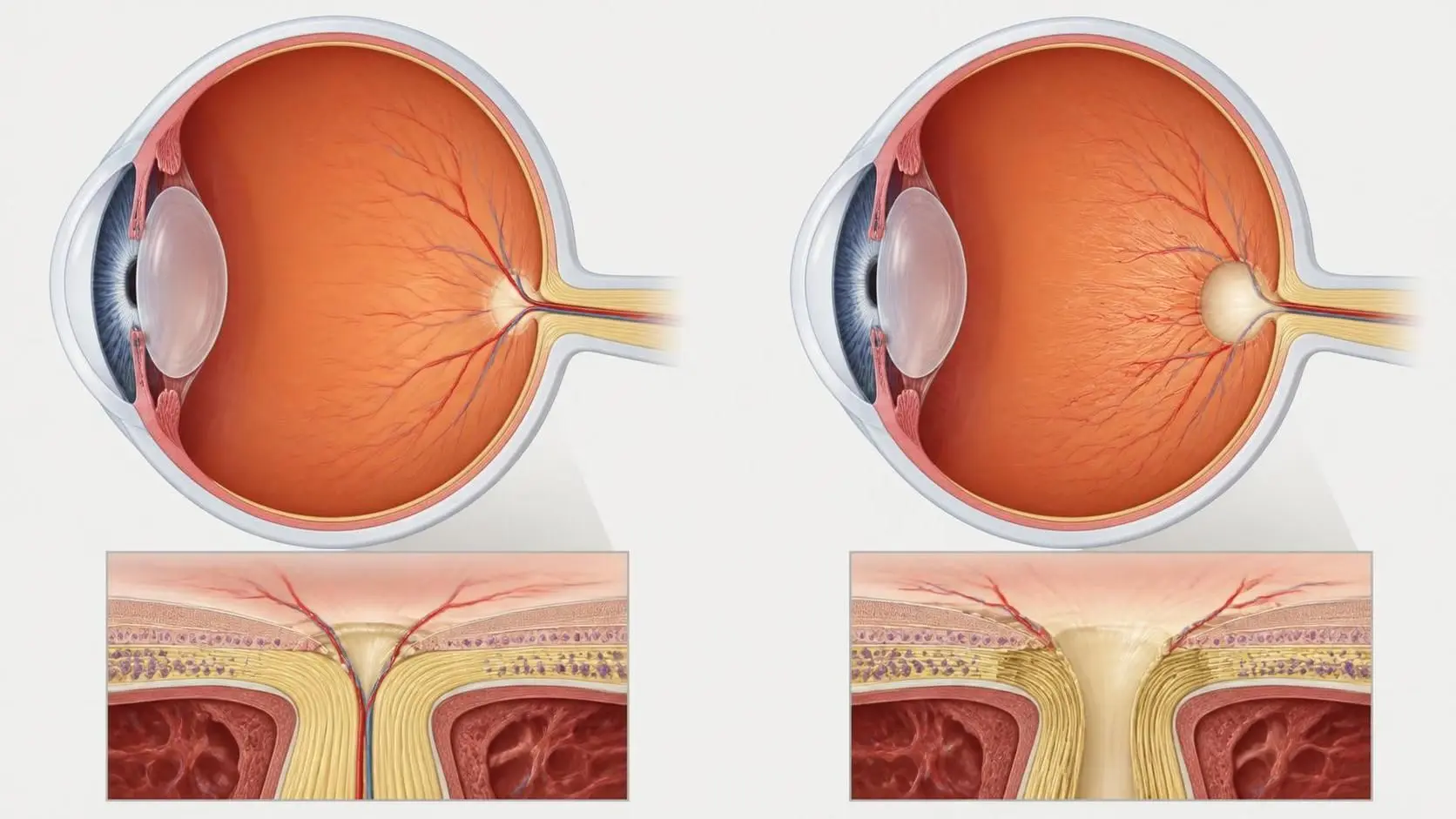
Glaucoma is a group of eye diseases that damage the optic nerve, which carries visual information from the eye to the brain.
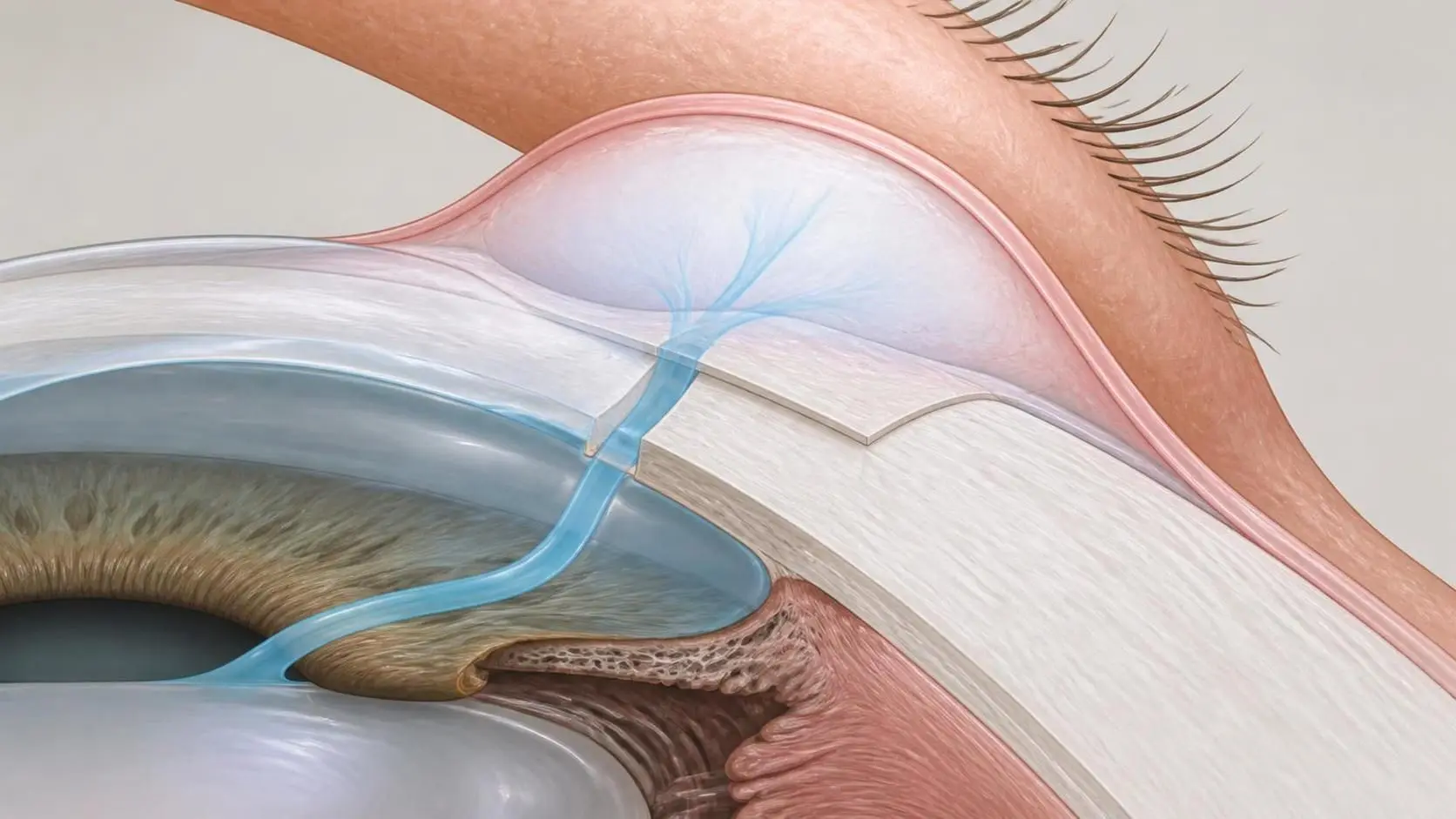
The eye continuously produces a clear fluid called aqueous humour. This fluid normally circulates through the front part of the eye and drains through a specialised drainage system.
When the fluid does not drain properly, pressure inside the eye may increase. In some people, this pressure contributes to optic nerve damage. However, glaucoma can also develop in people whose eye pressure falls within the usual statistical range.
Damage to the optic nerve can affect peripheral vision first. As the disease progresses, the area of vision loss may become larger and, in advanced cases, central vision can also be affected.
Glaucoma-related vision loss is generally permanent. Treatment cannot restore damaged optic nerve tissue, but appropriate management can help slow or prevent further deterioration.
What Are the Types of Glaucoma?
There are several types of glaucoma. Identifying the type is important because treatment choices can differ.
Primary Open-Angle Glaucoma
Primary Open-Angle Glaucoma is one of the most common forms of the disease. The drainage angle remains open, but fluid does not leave the eye as efficiently as it should.
The condition often develops gradually and may not cause noticeable symptoms in its early stages. Regular eye examinations are particularly important for people with risk factors.
Angle-Closure Glaucoma
Angle-Closure Glaucoma occurs when the drainage angle becomes narrow or blocked, preventing fluid from draining normally.
In some cases, the pressure rises suddenly. Acute angle-closure glaucoma can cause severe eye pain, redness, blurred vision, halos around lights, headache, nausea, and vomiting.
These symptoms require urgent medical assessment. A sudden painful red eye with blurred vision should not be treated as a routine appointment.
Normal-Tension Glaucoma
In Normal-Tension Glaucoma, optic nerve damage occurs even though measured eye pressure is not considered high.
The condition highlights why eye pressure alone is not enough to diagnose or exclude glaucoma. The optic nerve, visual field, and other clinical findings must also be assessed.
Secondary Glaucoma
Secondary Glaucoma develops as a result of another condition or factor, such as eye injury, inflammation, certain medications, or other eye diseases.
Treatment depends on the underlying cause as well as the degree of optic nerve damage and pressure elevation.
What Are the Symptoms of Glaucoma?
Glaucoma does not always cause early warning signs. Many people with chronic open-angle glaucoma do not notice changes until the disease has progressed.
Possible symptoms, depending on the type and stage, include:
- Gradual loss of peripheral or side vision.
- Difficulty noticing objects outside the direct line of sight.
- Blurred vision in some circumstances.
- Halos around lights.
- Eye pain or redness in certain forms of glaucoma.
- Headache, nausea, and sudden visual changes during an acute angle-closure attack.
Symptoms alone cannot confirm glaucoma. An eye examination is needed to assess eye pressure, the optic nerve, and visual function.
If you experience sudden severe eye pain, a red eye, blurred vision, halos, or nausea, seek urgent medical attention rather than waiting for a routine appointment.
Who May Need Glaucoma Assessment?
A glaucoma assessment may be recommended for people who:
- Have previously been diagnosed with glaucoma.
- Have raised intraocular pressure.
- Have a family history of glaucoma.
- Have been told that their optic nerve looks suspicious.
- Have unexplained changes in their visual field.
- Have diabetes or other medical or eye conditions that may affect eye health.
- Have experienced an eye injury or have a history of certain eye diseases.
- Have been advised to undergo regular glaucoma monitoring.
Some people have a higher risk of developing glaucoma because of age, family history, or other clinical factors. The appropriate examination schedule depends on the individual’s risk profile and previous findings.

How Is Glaucoma Diagnosed?
A complete glaucoma assessment involves more than measuring eye pressure. The ophthalmologist considers several examination results together to determine whether glaucoma is present, how advanced it may be, and whether it is progressing.
Intraocular Pressure Measurement (Tonometry)
Tonometry measures the pressure inside the eye. It is an important part of glaucoma assessment, but a single pressure reading cannot confirm or rule out glaucoma.
The ophthalmologist may consider repeated measurements and other findings when interpreting the result.
Optic Nerve Examination
The optic nerve is examined to look for structural changes that may be associated with glaucoma.
The appearance of the optic nerve can provide important information about possible damage and the need for further testing.
Optical Coherence Tomography (OCT)
OCT is a non-invasive imaging test that produces detailed images of retinal layers and structures around the optic nerve.
It can help the ophthalmologist identify thinning or changes that may be associated with glaucoma and monitor the condition over time.
Visual Field Test (Perimetry)
A visual field test measures how well a person sees in different areas, including peripheral vision.
It helps identify areas of vision loss and is often repeated during follow-up to assess whether the disease is progressing.
Gonioscopy
Gonioscopy allows the ophthalmologist to examine the drainage angle inside the eye. This helps distinguish between open-angle and angle-closure mechanisms and can influence treatment decisions.
Corneal Thickness Measurement
Corneal thickness can affect how eye pressure readings are interpreted. Pachymetry may therefore be included as part of the assessment.
Not every patient needs every test at every visit. The ophthalmologist selects the appropriate investigations according to the patient’s history and examination findings.
What Are the Treatment Options for Glaucoma?
Glaucoma treatment aims to lower intraocular pressure to a level that helps protect the optic nerve. The most suitable approach depends on the type of glaucoma, its severity, the patient’s eye health, and the response to previous treatment.
The main treatment options include medication, laser procedures, and surgery.
Glaucoma Eye Drops
Prescription eye drops are commonly used to lower eye pressure. Depending on the medication, they may reduce the amount of fluid produced inside the eye or help fluid drain more effectively.
Patients should use their medication exactly as prescribed. Stopping or changing glaucoma eye drops without medical advice may allow eye pressure to rise and increase the risk of further damage.
Some medications may cause side effects. Patients should inform their ophthalmologist if they experience irritation, redness, changes in vision, or other unwanted effects.
Laser Treatment for Glaucoma
Laser treatment may be suitable for certain types of glaucoma. The type of laser procedure depends on the drainage mechanism and the patient’s condition.
Examples include:
- Selective Laser Trabeculoplasty (SLT), which is used in selected patients with open-angle glaucoma to improve fluid drainage.
- Laser Peripheral Iridotomy, which creates a small opening in the iris to help fluid flow in certain cases of angle-closure glaucoma.
Laser treatment is not appropriate for every patient, and its effect may vary. Some patients still need eye drops or additional treatment after a laser procedure.
When Is Glaucoma Surgery Needed?
Glaucoma surgery may be considered when eye pressure remains above the target level despite medication or laser treatment, when the disease continues to progress, or when the ophthalmologist believes surgery is the most appropriate option.
The decision depends on the type of glaucoma, the extent of optic nerve damage, previous treatments, and the patient’s overall eye health.
Surgery is not a cure for glaucoma. Its purpose is to improve fluid drainage or create an alternative drainage pathway so that eye pressure can be reduced and further optic nerve damage may be slowed.
What Is Glaucoma Surgery?
Glaucoma surgery includes several procedures designed to reduce pressure inside the eye by improving the drainage of aqueous humour or creating another route for it to leave the eye.
The most appropriate procedure depends on the patient’s diagnosis and clinical findings. Not every surgical technique is suitable for every type of glaucoma.
Trabeculectomy
Trabeculectomy is a filtering operation in which the surgeon creates a small drainage opening to allow fluid to leave the eye and collect beneath the outer surface of the eye.
The procedure is designed to lower intraocular pressure by providing an alternative drainage route.
It may be considered in selected patients when medication or other treatments do not provide adequate pressure control.
Glaucoma Drainage Implants
A glaucoma drainage implant, sometimes called a tube shunt or glaucoma valve, is a small device that helps direct fluid away from the inside of the eye.
The fluid drains through a tube connected to a plate positioned beneath the eye’s outer tissue.
This approach may be considered in certain complex cases or when another type of glaucoma surgery is not appropriate. The decision depends on the patient’s condition and surgical history.
Minimally Invasive Glaucoma Surgery (MIGS)
MIGS refers to a group of procedures designed to lower eye pressure using smaller surgical approaches than some traditional glaucoma operations.
Certain MIGS procedures may be considered for selected patients, including some people with mild to moderate open-angle glaucoma. The suitability of each technique depends on the eye’s anatomy, glaucoma severity, and treatment goals.
MIGS is not suitable for every patient and should not be presented as a replacement for all other glaucoma operations.
What Happens Before Glaucoma Surgery?
Before recommending surgery, the ophthalmologist reviews the patient’s diagnosis, previous treatments, eye pressure readings, optic nerve condition, and visual field results.
The assessment may include:
- A detailed eye examination.
- Repeated intraocular pressure measurements.
- OCT imaging of the optic nerve and retinal nerve fibre layer.
- Visual field testing.
- Gonioscopy to examine the drainage angle.
- Review of current and previous glaucoma medications.
- Assessment of previous eye surgeries and other medical conditions.
Patients should inform the medical team about all medications, allergies, medical conditions, and previous eye procedures.
The surgeon will explain the proposed procedure, its expected purpose, possible complications, and the follow-up plan. Patients should ask questions about the alternatives and what the operation is expected to achieve in their particular case.
How Should You Prepare for Glaucoma Surgery?
Preparation instructions vary depending on the planned procedure, anaesthesia, and the patient’s general health.
Before surgery:
- Attend all required eye examinations and pre-operative appointments.
- Provide an accurate list of current medications and supplements.
- Inform the surgeon about blood-thinning medication and other long-term treatments.
- Follow the medical team’s instructions about which medicines to take or adjust.
- Follow any food and drink instructions provided for the anaesthesia plan.
- Arrange transport home if advised, as driving immediately after surgery may not be appropriate.
- Ask when and how to use your usual glaucoma eye drops before and after the procedure.
Do not stop prescribed medication unless the treating doctor specifically instructs you to do so.
What Happens on the Day of Glaucoma Surgery?
The patient arrives at the medical facility at the scheduled time and completes the necessary admission and preparation procedures.
The surgical team confirms the planned operation and the eye being treated. Anaesthesia may involve local anaesthesia, sedation, or another approach depending on the procedure and the patient’s condition.
The surgeon performs the selected operation to improve fluid drainage and reduce intraocular pressure.
The duration and details of the operation vary according to the surgical technique and complexity of the case.
After surgery, the patient is monitored and receives instructions about prescribed eye drops, eye protection, activity restrictions, and follow-up appointments. Whether the patient goes home on the same day depends on the procedure and the medical team’s assessment.
Recovery After Glaucoma Surgery
Recovery after glaucoma surgery varies depending on the type of operation, the patient’s eye condition, and the healing response.
Some patients may experience temporary blurred vision, redness, watering, mild discomfort, or sensitivity to light. These symptoms should be discussed with the treating team, particularly if they become worse.
After surgery, the ophthalmologist may prescribe anti-inflammatory or antibiotic eye drops and adjust existing glaucoma medications according to the eye pressure and healing progress.
Important Care Instructions After Surgery
- Use prescribed eye drops exactly as directed.
- Wash your hands before applying eye drops.
- Do not rub, press, or put unnecessary pressure on the operated eye.
- Use an eye shield if recommended by your surgeon.
- Avoid heavy lifting and strenuous activities for the period specified by your doctor.
- Follow instructions about showering, washing your face, and protecting the eye from water.
- Do not drive until your ophthalmologist confirms that it is safe.
- Attend all follow-up appointments, even if you feel that your vision has improved.
- Do not stop or restart glaucoma medication without medical advice.
Follow-up is particularly important after glaucoma surgery because eye pressure and healing need to be monitored. Some patients may require adjustments to medication or additional treatment.
When Should You Seek Urgent Medical Advice?
Contact your surgeon or seek urgent medical assessment if you experience:
- Severe or increasing eye pain.
- Sudden deterioration in vision.
- Marked redness or swelling.
- Discharge from the operated eye.
- New flashes of light or a sudden increase in floaters.
- A shadow or curtain-like effect in your vision.
- Any symptom that your surgical team has specifically identified as requiring urgent attention.
Do not wait for your next routine appointment if you experience sudden or severe changes.
What Results Can You Expect After Glaucoma Surgery?
The main aim of glaucoma surgery is to lower intraocular pressure and help reduce the risk of further optic nerve damage.
The result depends on several factors, including:
- The type and severity of glaucoma.
- The amount of optic nerve damage already present.
- The surgical technique selected.
- The eye’s healing response.
- Previous eye procedures and treatments.
- Other conditions affecting the eye.
Glaucoma surgery cannot restore vision that has already been lost due to optic nerve damage. Some patients may continue using eye drops after surgery, and others may need additional procedures or long-term monitoring.
The ophthalmologist will explain the expected treatment goals based on the patient’s examination and medical history.
What Are the Risks and Possible Complications of Glaucoma Surgery?
As with any operation, glaucoma surgery carries potential risks. The type and likelihood of complications depend on the procedure and the patient’s eye condition.
Possible complications include:
- Eye inflammation or infection.
- Bleeding inside or around the eye.
- Eye pressure becoming too low or remaining higher than intended.
- Changes in vision or temporary blurred vision.
- Cataract development or progression in some patients.
- Corneal problems or swelling.
- Scarring or closure of the drainage pathway.
- Problems involving a drainage implant, where one is used.
- The need for additional medication, laser treatment, or another operation.
- Rarely, significant or permanent vision loss.
The surgeon should explain the relevant risks and benefits before the patient gives consent. The decision should be based on an individual assessment rather than general claims about surgical success.
Why Choose Ebn Hayan Healthcare for Glaucoma Assessment?
People living with glaucoma need reliable information, appropriate eye examinations, and a treatment plan that takes account of their individual condition.
At Ebn Hayan Healthcare, patients can enquire about ophthalmology services and glaucoma assessment in Sharjah and Dubai.
A glaucoma assessment can help determine whether further investigations or treatment may be needed. Depending on the findings, the ophthalmologist can discuss suitable management options and explain whether medication, laser treatment, or a surgical approach should be considered.
Every patient has different clinical needs. The type of glaucoma, eye pressure, optic nerve condition, visual field results, and previous treatments all influence the recommended approach.
Before proceeding with treatment, patients are encouraged to ask about:
- The type and stage of glaucoma identified during the examination.
- The eye tests needed to assess the condition.
- The target eye pressure recommended for their case.
- Available treatment options and their limitations.
- The procedure being proposed and its expected purpose.
- The expected recovery and follow-up schedule.
- The estimated treatment cost and what it includes.
- Health insurance coverage and any required pre-approval.
Book a Glaucoma Assessment in Sharjah or Dubai
If you have been diagnosed with glaucoma, have raised eye pressure, or have noticed changes in your vision, arranging an eye examination is an important step.
Contact Ebn Hayan Healthcare to enquire about ophthalmology appointments and glaucoma assessment in Sharjah and Dubai.
Frequently Asked Questions About Glaucoma Surgery
1. What is glaucoma?
Glaucoma is a group of eye diseases that damage the optic nerve and can cause permanent vision loss. It is often associated with raised eye pressure, but it can also occur when measured pressure is within the usual range.
2. Is glaucoma the same as cataracts?
No. Glaucoma damages the optic nerve, while cataracts cause clouding of the natural lens inside the eye. Both can affect vision, but they are different conditions and require different treatments.
3. Does glaucoma always cause symptoms?
No. Chronic glaucoma can develop gradually without noticeable symptoms in its early stages. Some people only become aware of the condition after peripheral vision has already been affected. Regular eye examinations are important for people at increased risk.
4. Can glaucoma be treated without surgery?
Yes. Many patients are initially treated with prescription eye drops or laser procedures. Surgery may be considered when these treatments do not provide adequate eye pressure control or when the ophthalmologist believes an operation is appropriate.
5. When is glaucoma surgery necessary?
Surgery may be recommended when eye pressure remains above the target level, when glaucoma continues to progress despite treatment, or when the patient’s condition requires a surgical approach. The decision depends on the type and severity of glaucoma and previous treatment.
6. Does glaucoma surgery restore lost vision?
No. Glaucoma surgery cannot restore vision already lost because of optic nerve damage. Its main purpose is to lower eye pressure and help protect the remaining vision from further damage.
7. What is Trabeculectomy?
Trabeculectomy is a glaucoma filtering operation that creates a small drainage opening, allowing fluid to leave the eye through an alternative pathway. It is used in selected patients to help reduce intraocular pressure.
8. What is a glaucoma drainage implant?
A glaucoma drainage implant, also called a tube shunt or glaucoma valve, is a small device that helps direct fluid away from inside the eye to reduce eye pressure. It may be considered in certain complex cases.
9. What is MIGS glaucoma surgery?
MIGS stands for Minimally Invasive Glaucoma Surgery. It describes a group of procedures designed to lower eye pressure using smaller surgical approaches. MIGS may be suitable for selected patients, but it is not appropriate for every type or stage of glaucoma.
10. Is glaucoma surgery painful?
The procedure is performed using an appropriate anaesthesia method. Patients may experience some pressure or discomfort, and mild soreness may occur during recovery. The experience varies according to the procedure and individual circumstances.
11. How long does glaucoma surgery take?
The duration depends on the type of surgery and the complexity of the case. The total time at the medical facility is longer because it includes preparation, anaesthesia, and post-operative monitoring. The surgical team can provide a more specific estimate.
12. How long does recovery from glaucoma surgery take?
Recovery varies according to the operation and the patient’s healing response. Some symptoms may improve over days, but healing and eye pressure monitoring can continue for weeks or longer. Follow your surgeon’s instructions and attend all scheduled appointments.
13. Will I still need eye drops after glaucoma surgery?
Some patients continue using glaucoma eye drops after surgery, while others may need fewer medications. The decision depends on the eye pressure and the response to surgery. Do not change or stop your medication without medical advice.
14. Can glaucoma affect both eyes?
Yes. Glaucoma can affect one or both eyes. The severity may differ between the eyes, so each eye needs to be assessed and monitored separately.
15. How much does glaucoma surgery cost in the UAE?
The cost depends on the type of procedure, the patient’s condition, the medical facility, the required tests, anaesthesia, and follow-up care. Contact the centre for a quotation and ask which services and post-operative appointments are included.
16. Does health insurance cover glaucoma surgery?
Coverage depends on the insurance provider, policy, network, medical necessity requirements, and any pre-approval conditions. Patients should confirm coverage with their insurer and the medical facility before scheduling surgery.
17. Where can I enquire about glaucoma treatment in Sharjah and Dubai?
You can contact Ebn Hayan Healthcare to enquire about ophthalmology services and glaucoma assessment in Sharjah and Dubai. The team can provide information about the relevant location and appointment arrangements.