Overview
Cataract Surgery and Lens Replacement in Sharjah and Dubai
Are you experiencing blurred vision or finding it increasingly difficult to see clearly? Do you struggle with reading, watching television, or driving at night despite wearing glasses? These symptoms may be associated with cataracts, a condition in which the natural lens of the eye gradually becomes cloudy, affecting the way light enters the eye and how clearly you see.
Cataract Surgery is a procedure that removes the cloudy natural lens and replaces it with a clear artificial lens known as an Intraocular Lens (IOL). The aim is to improve visual clarity when cataracts begin to interfere with everyday activities.
Ebn Hayan Healthcare provides ophthalmology services in Sharjah and Dubai. Patients can enquire about cataract assessment and the treatment options that may be suitable for their eye condition. An ophthalmologist determines whether surgery is appropriate and recommends a suitable lens after examining the eye and performing the necessary measurements.
Table of Contents
What Are Cataracts?
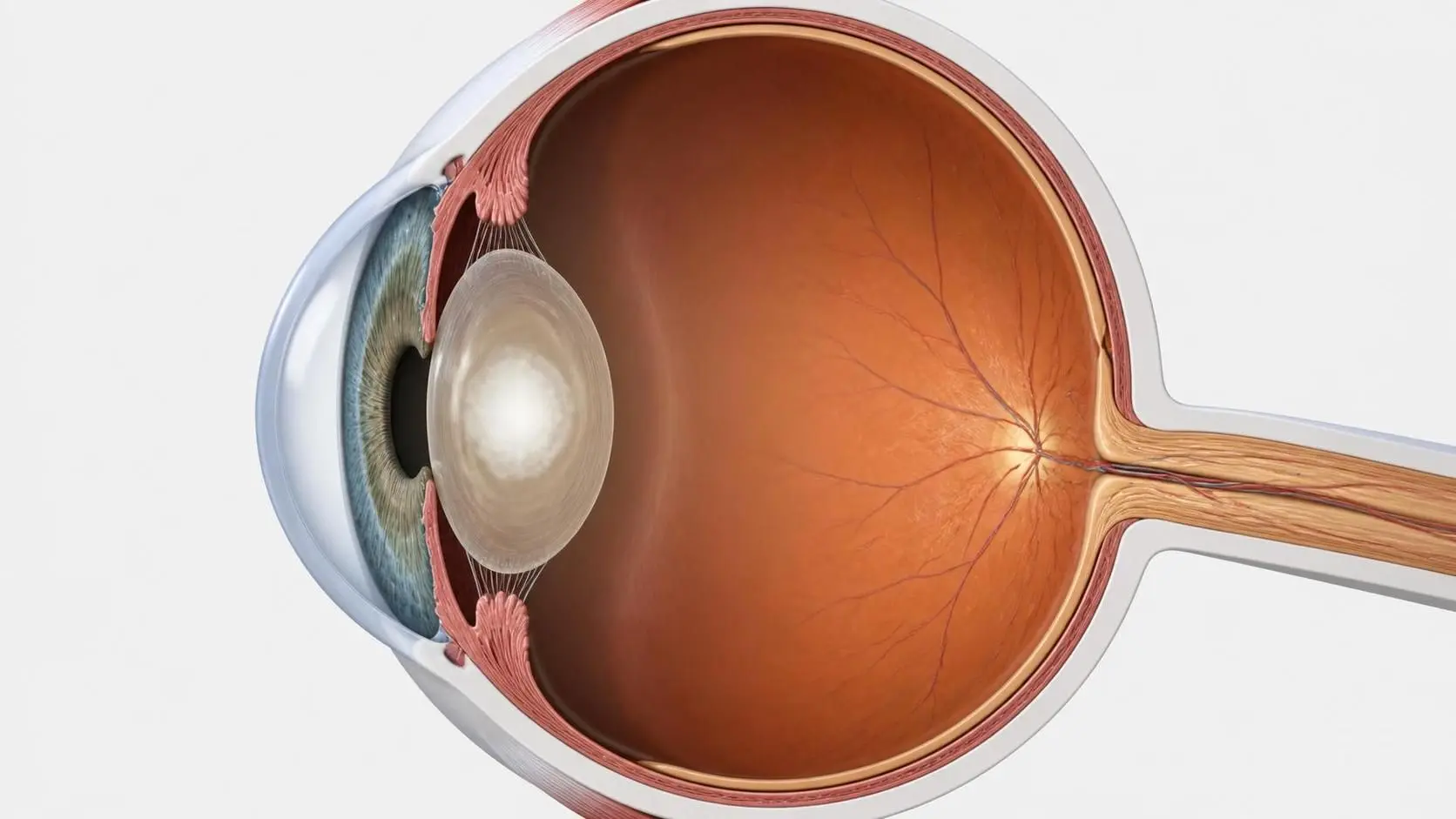
A cataract is a clouding of the natural lens inside the eye. The lens normally focuses light onto the retina, allowing the eye to produce clear images. When the lens becomes cloudy, light cannot pass through it as effectively, resulting in blurred or hazy vision.
Cataracts commonly develop with age, but they may also occur due to other factors, including eye injuries, certain medical conditions, or prolonged use of some medications. In less common cases, cataracts may develop at a younger age.
The condition often begins gradually, and patients may not notice significant changes at first. As the clouding progresses, however, it may affect reading, driving, recognising faces, and performing everyday activities.
What Are the Symptoms of Cataracts?
Cataract symptoms vary depending on the severity and location of the lens opacity. Common symptoms include:
- Blurred, cloudy, or hazy vision.
- Difficulty reading or seeing fine details.
- Poor vision when driving at night.
- Increased sensitivity to bright lights and glare.
- Halos around lights.
- Colours appearing less bright or less vivid.
- Frequent changes in glasses prescription.
- Double vision in some cases.
These symptoms do not always indicate cataracts. Other eye conditions can cause similar visual changes, so an eye examination is important to identify the underlying cause.
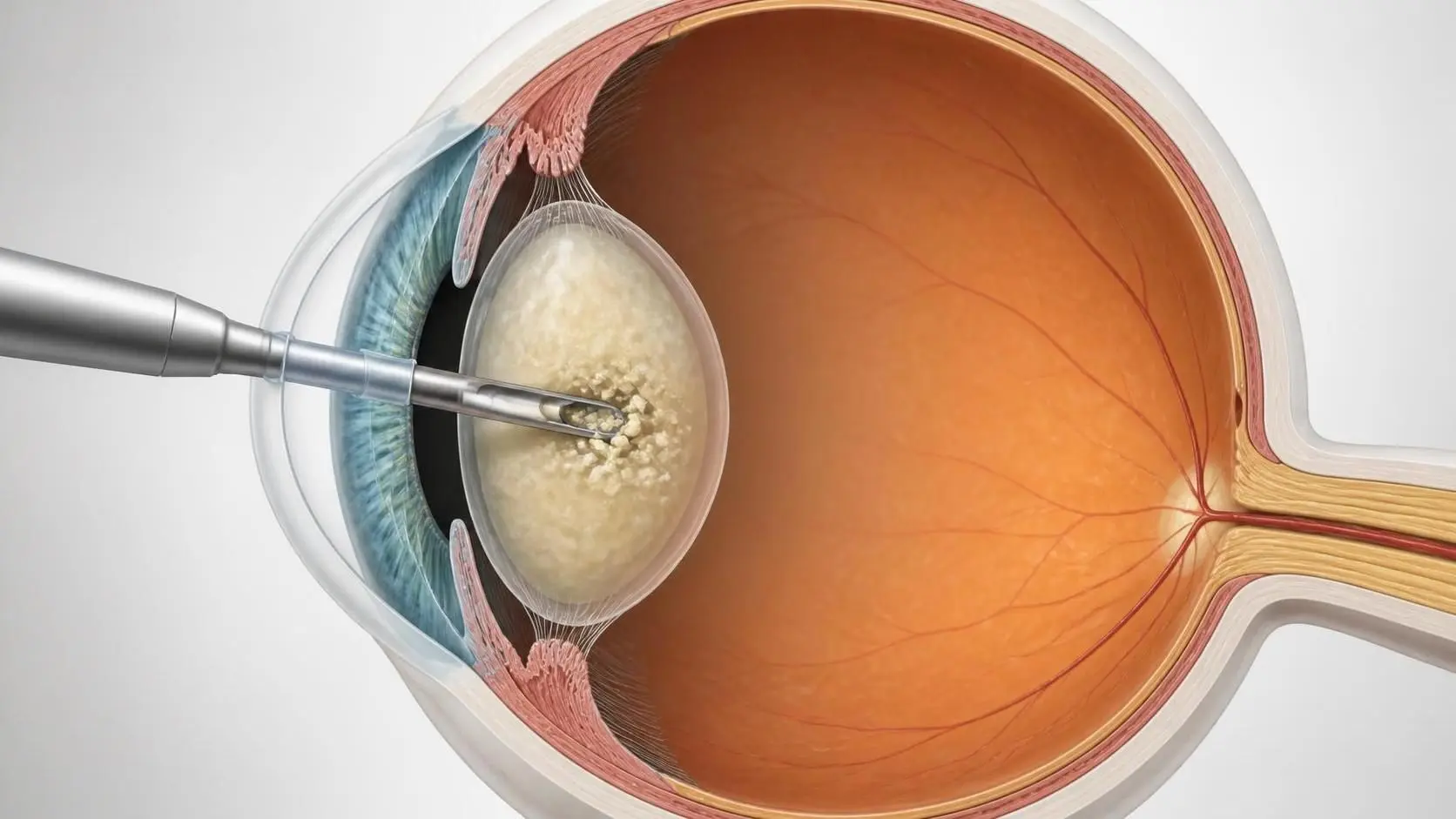
Cataract surgery removes the cloudy lens and replaces it with an artificial lens.
When Is Cataract Surgery Necessary?
Not everyone diagnosed with cataracts needs immediate surgery. The timing depends on how much the condition affects vision and everyday activities, as well as the ophthalmologist’s assessment.
Cataract surgery may be recommended when cloudy vision begins to interfere with activities such as reading, working, or driving, or when updated glasses no longer provide sufficient visual improvement because of the cataract.
In the early stages, certain temporary measures, such as improving lighting or updating a glasses prescription, may make daily activities easier. However, these measures do not remove the cataract or restore the natural lens’s transparency.
It is important to understand that eye drops and medications do not remove an established cataract. When the condition significantly affects vision, surgery is the treatment used to remove the cloudy lens and replace it with an artificial one.
What Is Cataract Surgery?
Cataract surgery is a procedure in which the cloudy natural lens is removed and replaced with a clear artificial lens placed inside the eye.
The procedure is commonly performed through small surgical incisions. In many cases, the surgeon uses ultrasound energy to break up the cloudy lens. This technique is known as Phacoemulsification.
The procedure generally involves the following steps:
- The eye is anaesthetised using the method selected by the surgeon, commonly local anaesthetic eye drops or another suitable approach.
- A small incision is made in the cornea to access the cloudy lens.
- Ultrasound energy is used to break the lens into smaller fragments when the Phacoemulsification technique is used.
- The cloudy lens fragments are removed using specialised surgical instruments.
- A suitable artificial intraocular lens is inserted into the eye.
- The eye is checked after surgery, and the patient receives post-operative care and follow-up instructions.
The exact procedure may vary according to the patient’s eye condition and the surgical technique selected by the ophthalmologist.
The operation itself is generally relatively short, although the patient’s total time at the medical facility also includes preparation, examination, and post-operative observation.
What Is Phacoemulsification?
Phacoemulsification, commonly called Phaco surgery, is a widely used technique for cataract removal.
It uses ultrasound energy to break the cloudy natural lens into small fragments. These fragments are then removed through specialised surgical instruments.
After the cloudy lens has been removed, an artificial intraocular lens is placed inside the eye according to the measurements taken before surgery.
The small incisions used in this technique may reduce the need for surgical stitches in many cases. However, the appropriate surgical approach depends on the cataract and the overall condition of the eye.
The choice of technique should be based on the ophthalmologist’s assessment rather than patient preference alone.
Intraocular Lens Implantation After Cataract Removal
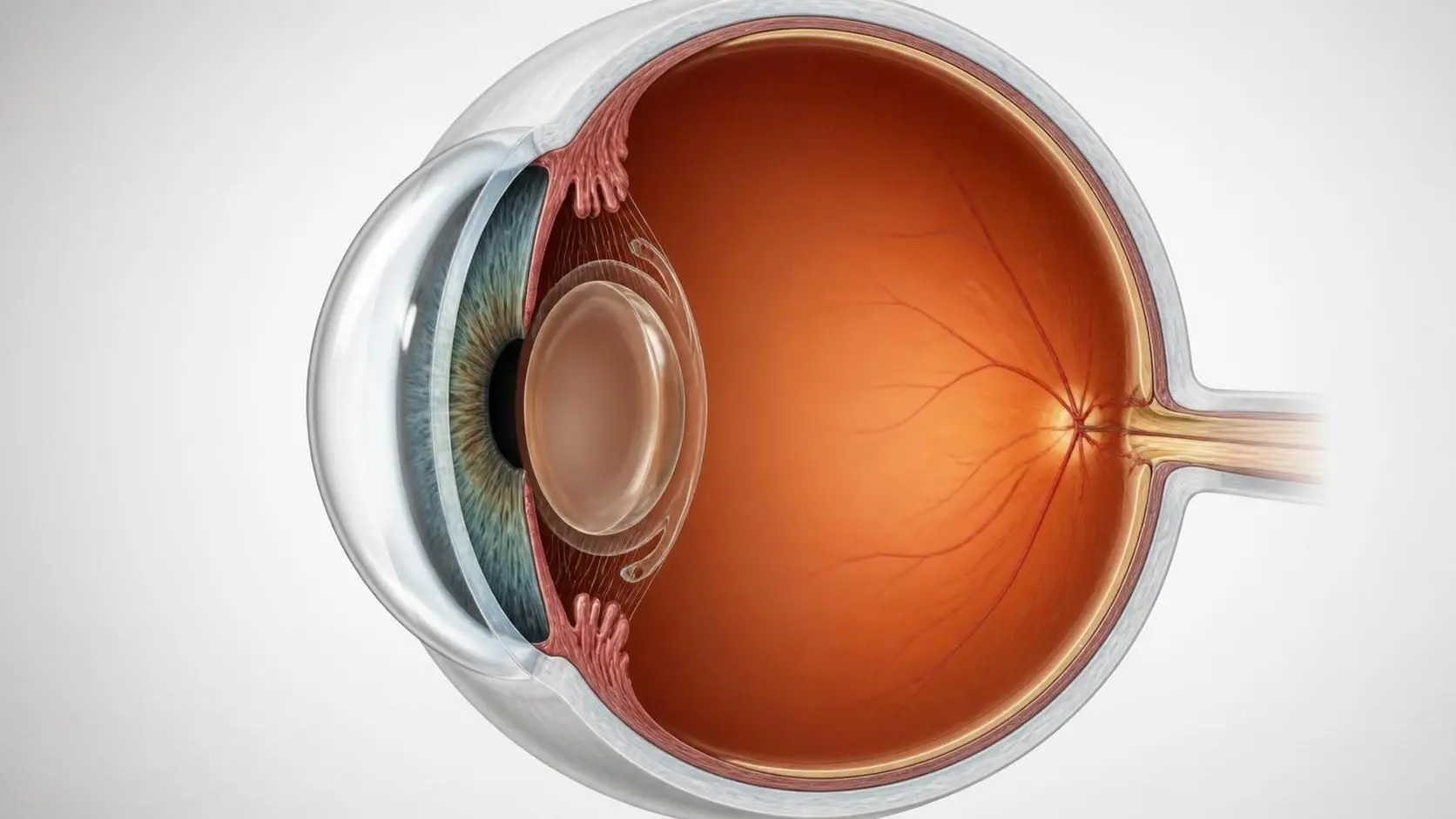
After the cloudy natural lens is removed, it is usually replaced with a clear artificial lens called an Intraocular Lens (IOL).
Artificial lenses are available in different designs and optical properties. There is no single lens that is suitable for every patient.
Lens selection depends on several factors, including:
- Eye measurements and optical characteristics.
- The condition of the cornea and retina.
- The presence and degree of astigmatism.
- The patient’s visual requirements and daily activities.
- Expectations regarding glasses after surgery.
Monofocal Intraocular Lenses
Monofocal lenses are designed to provide clear focus at one main distance, commonly distance vision.
Patients may still need glasses for reading or other near-vision activities after surgery.
These lenses are widely used, and their suitability depends on the patient’s eye condition and visual needs.
Multifocal Intraocular Lenses
Multifocal lenses are designed to provide different levels of focus, helping some patients see at more than one distance.
They may reduce dependence on glasses for certain activities. However, they are not suitable for everyone and may cause visual effects such as glare or halos in some patients.
The possible benefits and limitations should be discussed with the ophthalmologist before choosing this type of lens.
Toric Intraocular Lenses
Toric lenses are designed to correct astigmatism in selected patients undergoing cataract surgery.
Their suitability depends on the degree of astigmatism, corneal measurements, the axis of the refractive error, and other clinical factors.
Extended Depth of Focus Lenses (EDOF)
EDOF lenses are designed to extend the range of useful vision compared with traditional monofocal lenses.
They may help provide clearer vision across certain distances, although glasses may still be needed for some activities. Their suitability varies according to the patient’s eye condition and visual expectations.
How Is the Right Intraocular Lens Selected?
Choosing an artificial lens should not be based on price or brand name alone.
Patients should discuss their daily activities, work requirements, dependence on glasses, eye health, and visual expectations with their ophthalmologist.
The surgeon will also consider corneal and retinal health, eye measurements, and any other conditions that may affect the expected outcome.
It is important to understand that advanced lens technology does not guarantee complete freedom from glasses. Visual results vary from one patient to another.
Who May Be Suitable for Cataract Surgery?
Cataract surgery may be appropriate for people diagnosed with cataracts when the clouding begins to affect their vision or daily activities.
An ophthalmologist may recommend an assessment for patients who:
- Experience persistent blurred vision due to lens opacity.
- Have difficulty reading, driving, or carrying out everyday tasks.
- Do not achieve sufficient visual improvement with glasses because of cataracts.
- Have cataracts that interfere with the examination or treatment of other eye conditions in certain circumstances.
Suitability cannot be determined from symptoms alone.
Other conditions, such as diabetes, glaucoma, or retinal disease, may affect the assessment, surgical planning, and expected visual outcome.
Pre-operative Tests Before Cataract Surgery
Pre-operative examinations help the ophthalmologist assess the eye and calculate the appropriate artificial lens power.
The tests may include:
Slit-Lamp Examination
A slit-lamp microscope is used to examine the front structures of the eye and assess the degree of lens opacity, corneal health, and surrounding tissues.
Biometry and Intraocular Lens Measurements
Biometry measures important dimensions and optical characteristics of the eye. These measurements help the surgeon calculate the appropriate power of the artificial lens.
Accurate measurements are an important part of cataract surgery planning.
Corneal Assessment and Astigmatism Measurements
The ophthalmologist may assess corneal curvature and astigmatism, particularly when considering a Toric IOL or when other factors may affect lens calculations.
Retinal and Fundus Examination
A retinal examination helps identify other conditions that may affect vision after cataract surgery, including diabetic retinopathy and macular disease.
If a dense cataract prevents the doctor from seeing the retina clearly, additional examinations may be recommended depending on the patient’s condition.
Medical History and Medication Review
Patients should inform their ophthalmologist about existing medical conditions, current medications, previous eye surgeries, allergies, and any other relevant health information.
Patients should not stop blood-thinning medication or medication for chronic conditions without instructions from their treating doctor.
How Should You Prepare for Cataract Surgery?
After surgery has been planned, the medical team will explain the preparation instructions according to the patient’s condition.
These may include:
- Completing the required eye examinations and measurements.
- Informing the ophthalmologist about all medications and supplements being taken.
- Following food and drink instructions if required by the anaesthesia plan.
- Using prescribed eye drops before surgery if instructed.
- Arranging transport home, as driving immediately after surgery is not appropriate.
- Bringing previous eye examination reports and medical records when available.
Preparation requirements vary according to the patient’s health, anaesthesia method, and medical facility arrangements.
Patients should always follow the specific instructions provided by their medical team.
What Happens on the Day of Cataract Surgery?
The patient arrives at the medical facility at the scheduled time. The medical team completes the admission and preparation procedures and may use special eye drops to dilate the pupil.
The eye is examined, and the surgical plan is confirmed.
Cataract surgery is commonly performed under local anaesthesia, and many patients remain awake during the procedure.
Patients may notice lights or movement during surgery, but they should not normally experience sharp pain. Any unusual discomfort should be reported to the medical team.
After the procedure, the patient is monitored for a period determined by the medical team. The patient then receives instructions about eye drops, follow-up appointments, and care at home.
Many patients return home on the same day, depending on their condition and the facility’s arrangements.
Recovery After Cataract Surgery
Recovery varies from person to person.
Some patients notice clearer vision during the first few days, while others need more time for their vision to stabilise and for the eye to complete its healing process.
Temporary symptoms may include:
- Mild blurred or fluctuating vision.
- Sensitivity to light.
- Mild itching or a sensation of something in the eye.
- Slight discomfort around the eye.
The ophthalmologist will schedule follow-up appointments and prescribe eye drops as required to reduce inflammation and help prevent infection.
Important Tips After Cataract Surgery
- Use your prescribed eye drops according to the recommended schedule.
- Do not rub or press on the operated eye.
- Wash your hands before applying eye drops.
- Use an eye shield if recommended, particularly while sleeping.
- Avoid allowing water or soap to enter the eye directly during the period specified by your doctor.
- Avoid heavy lifting and strenuous exercise until your ophthalmologist advises that it is safe.
- Do not drive until your doctor confirms that your vision is suitable for safe driving.
- Attend all scheduled follow-up appointments, even if your vision appears to have improved.
When Should You Contact Your Doctor Urgently?
Do not ignore unusual symptoms after surgery.
Contact your ophthalmologist or seek urgent medical assessment if you experience:
- Severe or increasing eye pain.
- Significant redness.
- Sudden deterioration in vision.
- New flashes of light.
- A sudden increase in floaters.
- A shadow or curtain-like effect in your field of vision.
Prompt assessment is important when these symptoms occur.
What Results Can You Expect After Cataract Surgery?
The purpose of cataract surgery is to remove the cloudy lens and improve the passage of light to the retina.
Many patients experience clearer vision and improved colour perception after recovery.
However, a specific level of vision cannot be guaranteed for every patient.
The result depends on several factors, including:
- The health of the retina and optic nerve.
- Corneal condition.
- Other existing eye diseases.
- Accuracy of the intraocular lens measurements.
- The eye’s healing response.
Cataract surgery does not treat every cause of reduced vision. If a patient also has retinal disease, optic nerve damage, or another eye condition, some visual impairment may remain after the cataract has been removed.
Some patients may still need glasses for reading or certain distances, even after receiving an appropriate artificial lens.
What Are the Risks and Possible Complications of Cataract Surgery?
Cataract surgery is a commonly performed procedure, but like all surgical procedures, it carries potential risks and complications.
Possible complications include:
- Inflammation or infection inside the eye.
- Bleeding or significant post-operative inflammation.
- Increased or fluctuating eye pressure.
- Corneal or retinal swelling.
- Posterior capsule rupture or difficulties during lens removal.
- Displacement of the artificial lens.
- Retinal detachment in some cases.
- Persistent blurred vision or a visual result different from expectations.
- The need for an additional procedure to manage certain complications.
Some patients may develop clouding of the membrane behind the artificial lens months or years after surgery. This is known as Posterior Capsule Opacification (PCO).
It is sometimes called a secondary cataract, but it is not a return of the original cataract. In suitable cases, it can be treated with a YAG laser procedure.
The ophthalmologist should explain the risks associated with each patient’s condition and discuss the potential benefits and limitations before surgery.
Why Choose Ebn Hayan Healthcare for Cataract Assessment?
Patients considering cataract surgery need clear information and a medical assessment that helps them understand their condition and available treatment options.
At Ebn Hayan Healthcare, patients can enquire about ophthalmology services in Sharjah and Dubai and request an assessment appropriate to their eye condition.
Our service information focuses on explaining the cataract assessment process, the importance of accurate eye measurements before selecting an artificial lens, the differences between lens options, and the preparation and recovery process.
Every patient’s needs are different. The decision to proceed with surgery and the selection of an intraocular lens should be based on an eye examination, accurate measurements, and the patient’s visual requirements rather than a single approach for everyone.
Before Booking Your Cataract Surgery, Ask About:
- The availability of an ophthalmology consultation and cataract assessment.
- The examinations and measurements required before surgery.
- Available artificial lens options and their suitability for your eyes.
- The location where the surgery will be performed.
- The expected cost and what it includes.
- Health insurance coverage and any required pre-approval.
- Follow-up appointments and post-operative care.
Book a Cataract Assessment in Sharjah or Dubai
If you are experiencing blurred vision or have been diagnosed with cataracts, the first step is to arrange a comprehensive eye examination and discuss the available treatment options with an ophthalmologist.
Contact Ebn Hayan Healthcare to enquire about cataract assessment appointments and ophthalmology services in Sharjah and Dubai.
Frequently Asked Questions About Cataract Surgery
1. What is cataract surgery?
Cataract surgery is a procedure in which the cloudy natural lens of the eye is removed and replaced with a clear artificial intraocular lens (IOL) to improve visual clarity.
2. Can cataracts be treated with eye drops?
There are no proven eye drops that remove an established cataract or restore the natural lens’s transparency. Glasses and improved lighting may help with certain activities in the early stages, but surgery is required when cataracts significantly affect vision.
3. When should I have cataract surgery?
The appropriate timing depends on how much the cataract affects your vision and daily activities, as well as the results of your eye examination. Surgery is not necessarily required immediately after diagnosis.
4. Is cataract surgery painful?
Cataract surgery is usually performed under local anaesthesia using eye drops or another suitable anaesthetic method. Patients may feel some pressure or mild discomfort, but sharp pain is not normally expected during the procedure. Individual experiences may vary.
5. How long does cataract surgery take?
The surgical procedure commonly takes around 20 to 45 minutes in many cases. However, the total time at the medical facility is longer because of preparation, examinations, and post-operative monitoring.
6. Is an artificial lens implanted after cataract removal?
Yes. In most cataract operations, the cloudy natural lens is replaced with a clear artificial lens called an Intraocular Lens (IOL). The surgeon selects the lens power and type based on eye measurements and the patient’s visual needs.
7. What is the difference between Monofocal and Multifocal lenses?
Monofocal lenses provide focus at one main distance, commonly distance vision, and patients may still need glasses for reading. Multifocal lenses are designed to provide vision at more than one distance, but some patients may experience halos or glare. They are not suitable for everyone.
8. Can both eyes undergo cataract surgery on the same day?
In many cases, cataract surgery is performed on each eye on separate days. However, the decision depends on the patient’s health, eye condition, surgeon’s assessment, and the medical facility’s protocol. This should be discussed with the ophthalmologist.
9. When will my vision improve after cataract surgery?
Some patients notice clearer vision within the first few days, but full visual stabilisation takes time and varies between individuals. Healing, retinal and corneal health, and other eye conditions can affect recovery.
10. How long does recovery from cataract surgery take?
Many patients gradually return to some daily activities within a relatively short period. However, complete healing and stable vision may take several weeks. Your ophthalmologist will advise when it is safe to drive, work, and exercise.
11. Can cataracts come back after surgery?
The original cataract does not return after the cloudy natural lens has been removed. However, the membrane behind the artificial lens may become cloudy later. This is called Posterior Capsule Opacification (PCO) and can be treated with a YAG laser in suitable cases.
12. Will I still need glasses after cataract surgery?
This depends on the type of intraocular lens implanted, your eye measurements, and your overall visual condition. Some patients become less dependent on glasses, but complete freedom from glasses cannot be guaranteed.
13. Is cataract surgery safe?
Cataract surgery is a commonly performed procedure, but no surgery is entirely risk-free. Possible complications include inflammation, infection, swelling, changes in eye pressure, retinal problems, and issues involving the artificial lens. Your ophthalmologist will explain the risks relevant to your condition.
14. How much does cataract surgery cost in the UAE?
The cost varies depending on the medical facility, artificial lens type, examinations, anaesthesia, surgical arrangements, and follow-up care. Contact the centre for an accurate quotation and ask what is included. You should also check your health insurance coverage.
15. Does health insurance cover cataract surgery?
Coverage depends on your insurance provider, network, policy terms, and any required medical pre-approval. Contact both the medical centre and your insurance provider to confirm coverage before booking.
16. Where can I enquire about cataract surgery in Sharjah and Dubai?
You can contact Ebn Hayan Healthcare to enquire about ophthalmology services and cataract assessment appointments in Sharjah and Dubai. The team can provide information about the relevant location and arrangements for your assessment.