
Overview
Deviated Nasal Septum Treatment in Dubai and Sharjah
A deviated nasal septum can make breathing through the nose difficult and may contribute to nasal congestion, snoring, recurrent sinus problems, and sleep disturbances. At Ebn Hayan Healthcare, patients can receive an ENT assessment to identify the cause of nasal obstruction and discuss suitable treatment options based on their symptoms and medical condition.
Our ENT specialists assess nasal breathing difficulties and help patients understand whether medical treatment, monitoring, or septoplasty surgery may be appropriate.
What Is a Deviated Nasal Septum?
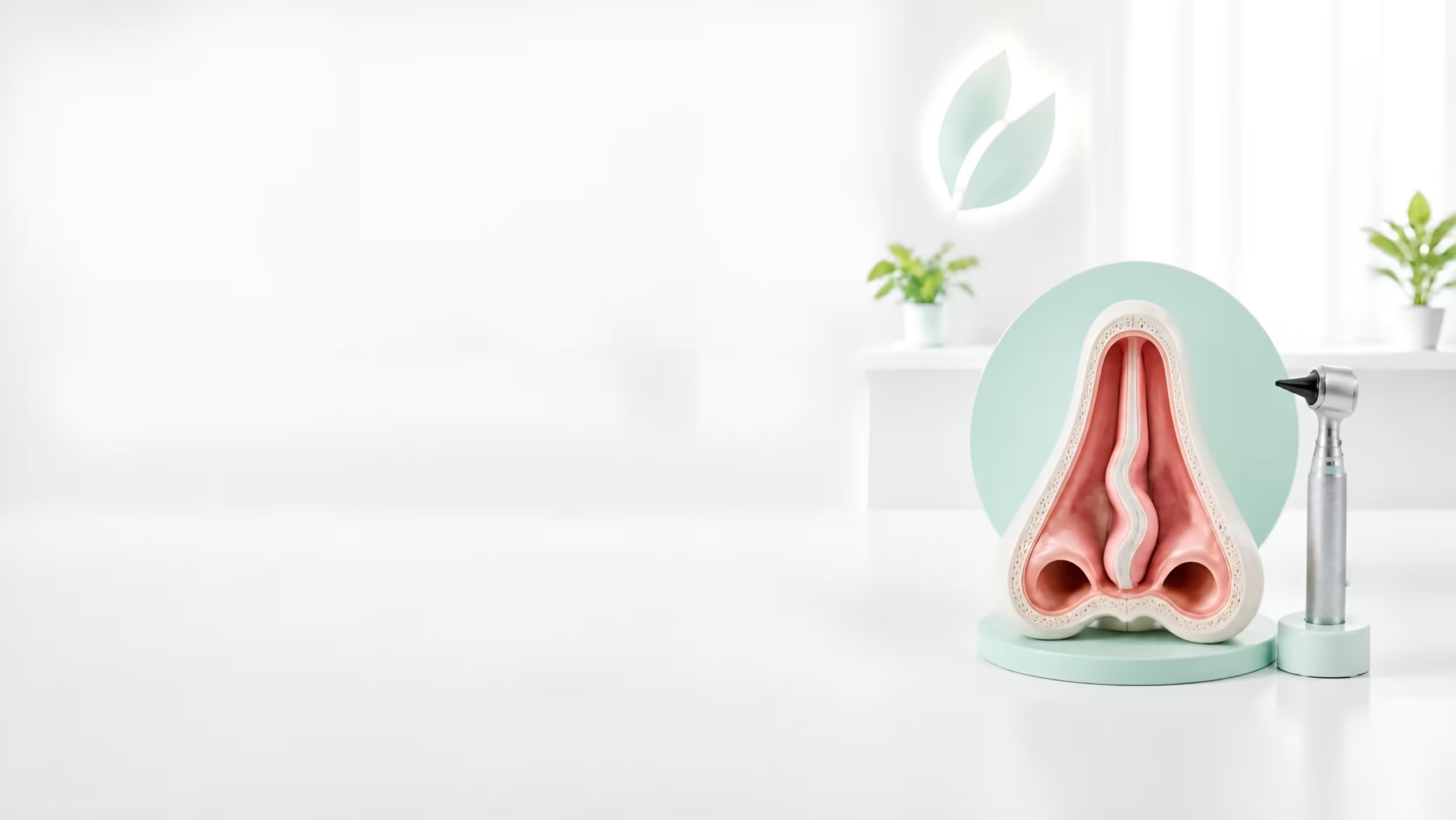
The nasal septum is the wall of cartilage and bone that separates the inside of the nose into two passages. A deviated nasal septum occurs when this wall is displaced to one side, making one nasal passage narrower than the other.
Some people are born with a deviated septum, while others develop it following an injury to the nose. Mild deviations may not cause noticeable symptoms, but more significant deviations can interfere with normal nasal breathing.
A consultation with an ENT specialist can help determine whether the deviation is responsible for your symptoms or whether another condition, such as allergic rhinitis or enlarged nasal turbinates, is contributing to the problem.
Symptoms of a Deviated Nasal Septum
Symptoms vary depending on the degree and location of the deviation. Common symptoms include:
- Difficulty breathing through one or both nostrils.
- Persistent or recurring nasal congestion.
- Nasal blockage that is more noticeable on one side.
- Frequent nosebleeds, particularly when the nasal lining becomes dry.
- Noisy breathing during sleep or snoring.
- Disturbed sleep due to difficulty breathing through the nose.
- Recurrent sinus symptoms in some patients.
- Facial pressure or discomfort in certain cases.
A deviated septum does not always cause symptoms. If nasal blockage persists, an ENT assessment can help identify the underlying cause.
What Causes a Deviated Nasal Septum?
A deviated nasal septum may develop for several reasons:
1. Development before birth
Some people have a septal deviation from birth or develop it as the nose grows during childhood and adolescence.
2. Nasal injuries
A blow to the nose during sports, an accident, or another injury can displace the nasal septum. The injury may occur during childhood or adulthood.
3. Changes during growth
The cartilage and bone of the nose may grow unevenly, resulting in a deviation that becomes more noticeable over time.
4. Previous nasal trauma
Even an injury that seemed minor at the time may contribute to a change in the position of the septum.
How Is a Deviated Nasal Septum Diagnosed?
An ENT specialist evaluates nasal obstruction by reviewing symptoms, medical history, and any history of nasal injury.
The assessment may include:
- Medical history: Understanding when symptoms started, whether they affect one or both nostrils, and how they influence sleep and daily activities.
- Nasal examination: Inspecting the nose and nasal passages to assess the septum and other possible causes of obstruction.
- Nasal endoscopy: A thin instrument with a camera may be used to examine deeper areas inside the nose when needed.
- Additional investigations: Imaging, such as a CT scan, may be recommended when sinus disease, complex anatomy, or another clinical concern requires further evaluation.
Not every patient needs imaging. The appropriate investigations depend on the examination findings and the patient’s symptoms.
Deviated Nasal Septum Treatment Options
Treatment depends on the severity of the deviation and how much it affects breathing or quality of life.
1. Medical Treatment
Medication cannot straighten a deviated septum, but it may help relieve symptoms caused by associated inflammation or allergies.
Depending on the diagnosis, treatment may include:
- Nasal corticosteroid sprays: May reduce inflammation and congestion associated with allergic rhinitis or other inflammatory conditions.
- Saline nasal sprays or rinses: May help clear mucus and keep the nasal passages moist.
- Allergy medications: May be appropriate when allergies contribute to nasal obstruction.
- Other prescribed treatments: Selected according to the cause of the symptoms and the patient’s medical history.
Medication is most useful when inflammation or allergies contribute to the blockage. It does not correct the underlying structural deviation.
2. Septoplasty Surgery
Septoplasty is a surgical procedure used to straighten or reposition the deviated nasal septum and improve airflow through the nose.
An ENT specialist may recommend septoplasty when:
- Nasal obstruction is persistent and affects daily activities.
- Difficulty breathing continues despite appropriate medical treatment for associated conditions.
- The deviation significantly interferes with nasal airflow.
- Symptoms affect sleep or quality of life.
During septoplasty, the surgeon adjusts the cartilage and bone of the septum while preserving the structures needed to support the nose. The procedure is commonly performed through the nostrils, so an external incision is generally not required.
The expected benefits, possible complications, recovery period, and suitability for surgery should be discussed with the treating ENT specialist. Surgery may improve nasal breathing, but it cannot guarantee that every symptom will disappear.
3. Septoplasty vs. Rhinoplasty
Septoplasty and rhinoplasty serve different purposes, although they may sometimes be performed together.
- Septoplasty: Primarily corrects the internal nasal septum to improve airflow.
- Rhinoplasty: Changes the external shape of the nose for functional, reconstructive, or cosmetic reasons.
- Septorhinoplasty: Combines septal correction with changes to the external nasal structure when clinically appropriate.
Your ENT specialist can explain which procedure, if any, is suitable for your needs.
What Is Recovery Like After Septoplasty?
Recovery varies depending on the surgical technique, the extent of correction, and individual healing.
Patients may experience temporary nasal congestion, mild discomfort, swelling, or a small amount of bloody discharge after surgery. These symptoms generally improve during recovery, but the timeline differs between individuals.
General recovery guidance may include:
- Follow the surgeon’s instructions for nasal care and prescribed medication.
- Avoid forceful nose blowing until the surgeon says it is safe.
- Avoid strenuous activity and heavy lifting for the period recommended by your surgeon.
- Attend follow-up appointments to monitor healing.
- Contact your healthcare provider if you develop heavy bleeding, worsening pain, fever, or other concerning symptoms.
The surgeon will provide specific instructions based on the procedure and the patient’s condition.
Can a Deviated Nasal Septum Cause Sinusitis?
A deviated septum may contribute to impaired nasal airflow and, in some patients, interfere with normal sinus drainage. However, not everyone with a deviated septum develops sinusitis, and sinus symptoms can have several other causes, including viral infections, allergies, and nasal polyps.
If you experience repeated sinus symptoms or persistent nasal blockage, an ENT specialist can assess whether the septal deviation is clinically significant and whether other conditions require treatment.
When Should You See an ENT Specialist?
Consider arranging an ENT consultation if you experience:
- Persistent difficulty breathing through your nose.
- Nasal blockage that is consistently worse on one side.
- Recurrent nosebleeds or repeated sinus symptoms.
- Snoring or sleep disruption associated with nasal obstruction.
- Nasal breathing problems that do not improve with appropriate treatment.
- Ongoing symptoms following a nasal injury.
Seek urgent medical attention after a significant nasal injury if you have severe bleeding, marked swelling, or difficulty breathing. Vision changes, swelling around the eyes, or a severe headache with fever also require prompt medical assessment.
Deviated Nasal Septum Treatment at Ebn Hayan Healthcare
At Ebn Hayan Healthcare, patients experiencing nasal obstruction can consult an ENT specialist for an assessment of the nasal septum and other possible causes of breathing difficulties.
The specialist can explain the available treatment options, including medication for associated inflammation and septoplasty when surgery is appropriate. The recommended approach depends on the examination findings, symptom severity, and individual health needs.
If you are experiencing persistent nasal blockage, contact Ebn Hayan Healthcare to arrange an ENT consultation.
Phone: +971 58 523 7711
Frequently Asked Questions
1. What is the best treatment for a deviated nasal septum?
The best treatment depends on the severity of the deviation and the symptoms it causes. Medication may help associated inflammation or allergies, while septoplasty may be considered when structural obstruction causes persistent symptoms.
2. Can a deviated nasal septum be corrected without surgery?
Medication and saline rinses may relieve associated congestion, but they cannot straighten the septum itself. Surgery may be considered if the structural deviation significantly affects breathing.
3. Is septoplasty the same as rhinoplasty?
No. Septoplasty corrects the internal nasal septum to improve airflow, while rhinoplasty changes the external shape of the nose. Both procedures may sometimes be combined.
4. Can a deviated nasal septum cause snoring?
It may contribute to snoring by restricting airflow through the nose. However, snoring has several possible causes, and persistent or severe snoring may require further evaluation.
5. Does every deviated nasal septum require surgery?
No. Many people have a deviated septum without symptoms and do not need treatment. Surgery is generally considered when the deviation causes significant symptoms and the expected benefits justify the risks.
6. How long does recovery from septoplasty take?
Recovery differs between patients. Initial symptoms such as congestion and discomfort often improve over the first days to weeks, while complete healing may take longer. Follow your surgeon’s instructions regarding activity and follow-up care.
7. Can septoplasty improve sinus problems?
It may help selected patients when a significant septal deviation contributes to nasal obstruction or sinus drainage problems. However, it does not treat every cause of sinusitis, and improvement depends on the underlying condition.
8. Is septoplasty safe?
Septoplasty is a commonly performed procedure, but, like all surgery, it carries risks. These may include bleeding, infection, persistent obstruction, septal perforation, or the need for further treatment. Your surgeon can explain the risks relevant to your case.
Medical Disclaimer
This content is for educational purposes only and does not replace a medical consultation, examination, or individualized treatment plan. Diagnosis and treatment decisions should be made by a qualified healthcare professional.