Overview
Sebaceous Cyst Removal in Sharjah
A lump beneath the skin can appear on the face, neck, scalp, back or other parts of the body. Some lumps remain small and painless, while others gradually increase in size or become tender and inflamed.
These lumps are commonly called sebaceous cysts, although the term is often used for different types of skin cysts. An examination is important because a cyst can resemble other conditions, including a lipoma or another type of skin lump.
At Ebn Haian Healthcare, the first step is to assess the lump and any associated symptoms before discussing suitable management options. If you are searching for sebaceous cyst removal in Sharjah, the appropriate approach depends on the diagnosis, the cyst’s size and location, and whether inflammation or infection is present.
What Is a Sebaceous Cyst?
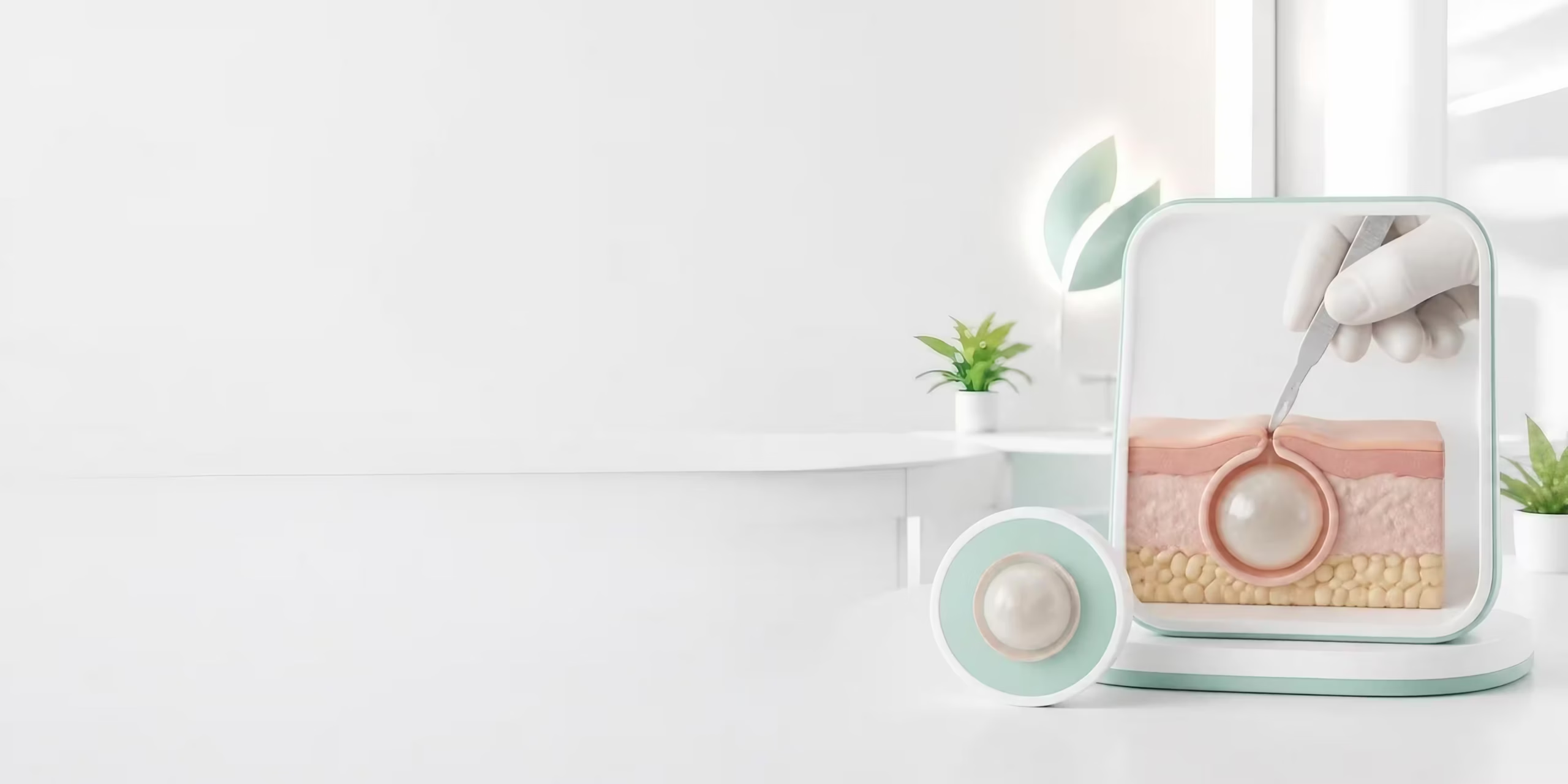
A skin cyst is a closed sac beneath the skin that contains fluid or semi-solid material. Many lumps commonly described as sebaceous cysts are actually epidermoid cysts, which contain keratin rather than sebum from the sebaceous glands.
Most epidermoid cysts are benign and may not require treatment if they are small, stable and symptom-free. However, medical assessment is advisable if a lump grows, becomes painful, repeatedly inflames, drains fluid or has an uncertain diagnosis.
What Causes Skin Cysts?
Some skin cysts develop when skin cells become trapped beneath the skin surface and continue to accumulate material inside a sac. In some cases, skin injury or irritation may contribute, while the exact cause is not always clear.
Skin cysts can develop in several areas, including:
- The face and neck.
- The scalp.
- The back and chest.
- Other areas of the body, depending on the cyst type.
A skin cyst does not necessarily indicate poor hygiene, and the appearance of a lump alone cannot always establish its diagnosis.
What Are the Symptoms of a Sebaceous Cyst?
Common features may include:
- A round or well-defined lump beneath the skin.
- Gradual growth over time.
- A skin-coloured, pale or yellowish appearance.
- Tenderness or pain if inflammation develops.
- Redness, swelling or discharge in some cases.
When should you seek prompt medical assessment?
Seek urgent medical advice if the lump becomes increasingly red, hot or painful, releases pus, develops spreading redness or is accompanied by fever.
A lump that grows rapidly, bleeds, ulcerates or changes noticeably should also be assessed without unnecessary delay.
When Should a Sebaceous Cyst Be Removed?
Not every cyst needs to be removed. If a cyst is small, symptom-free and confidently diagnosed, a doctor may recommend monitoring it instead of performing a procedure.
Sebaceous cyst removal may be considered when the cyst:
- Causes pain, pressure or repeated discomfort.
- Gradually increases in size or interferes with daily activities.
- Becomes inflamed repeatedly or continues to discharge.
- Is located where clothing, hair or everyday activities cause friction.
- Is being considered for removal for cosmetic reasons after discussing the potential benefits and risks.
- Has an uncertain diagnosis that requires further assessment.
The decision should be made after a medical examination. A severely inflamed cyst may need to be managed before definitive removal is considered.
How Is Sebaceous Cyst Removal Performed?
The appropriate treatment depends on the type of cyst, its size and location, and whether it is inflamed or infected.
1. Examination and diagnosis
A doctor assesses the lump, including its size, location, duration and any recent changes. Many typical cysts can be assessed through a clinical examination. Some lumps may require additional investigations or a tissue sample, depending on the findings.
2. Surgical cyst excision
When removal is appropriate, a minor surgical procedure may be performed under local anaesthesia to numb the area. Where suitable, the aim is to remove the cyst and its wall, as leaving part of the wall behind may increase the chance of recurrence. Small stitches may be needed depending on the size and location of the wound.
3. Managing an inflamed cyst
If the cyst is significantly inflamed or an abscess has developed, the doctor may recommend treating the inflammation or draining the collection first. Definitive removal may be delayed until the area is suitable for the procedure.
Redness and swelling do not always mean that a cyst has a bacterial infection. Antibiotics are therefore not automatically required for every inflamed cyst; the decision depends on clinical assessment.
Important for publication: Confirm that cyst removal is available with the relevant clinician and branch before stating that the procedure is performed at a specific Ebn Haian Healthcare location.
Can a Cyst Return After Removal?
Yes. A cyst may recur if part of its wall remains, and new cysts may develop elsewhere. Removing the entire cyst wall, when appropriate and feasible, helps reduce the likelihood of recurrence at the same site but cannot guarantee that a cyst will never return.
Aftercare Following Cyst Removal
Aftercare depends on the size and location of the wound and the method used to close it. General guidance may include:
- Keep the wound clean and follow the clinician’s dressing instructions.
- Avoid squeezing, picking or applying unnecessary pressure to the wound.
- Attend follow-up appointments and have stitches removed when advised.
- Ask when it is appropriate to resume exercise or activities that may cause friction around the wound.
- Seek medical advice if pain, redness or swelling worsens, or if pus, fever or persistent bleeding develops.
Do not attempt to squeeze, puncture or drain a cyst at home. This can cause inflammation, introduce infection or make subsequent treatment more difficult.
Why Choose Ebn Haian Healthcare?
When looking for skin cyst assessment or treatment in Sharjah, it is important to understand the nature of the lump and the available options before deciding on a procedure.
At Ebn Haian Healthcare, the intended approach to care includes:
- Assessing the lump and its symptoms before discussing treatment.
- Explaining when monitoring, removal or further investigation may be appropriate.
- Discussing potential risks, including scarring and recurrence.
- Providing wound-care guidance and follow-up instructions when a procedure is performed.
- Helping patients identify the appropriate clinician and branch according to service availability.
Contact Ebn Haian Healthcare to enquire about an assessment appointment and available services in Sharjah. The recommended treatment depends on the medical examination, and no specific cosmetic result or guarantee against recurrence can be promised.
Frequently Asked Questions About Sebaceous Cyst Removal in Sharjah
1. Does every sebaceous cyst need to be removed?
No. A small, symptom-free cyst with a clear diagnosis may not need treatment. A doctor can advise whether monitoring or removal is appropriate.
2. Is sebaceous cyst removal painful?
Local anaesthesia may be used to numb the area during removal. Some discomfort may occur afterwards, depending on the procedure, cyst size and location.
3. Can a sebaceous cyst be removed in a clinic?
Some skin cysts can be removed through a minor procedure under local anaesthesia. Suitability depends on the cyst’s characteristics, the clinical assessment and whether the procedure is available at the clinic.
4. Can a sebaceous cyst come back after removal?
Yes. A cyst may recur if part of its wall remains, and new cysts can develop in other areas. Complete removal of the cyst wall, when appropriate, helps reduce recurrence at the same site.
5. Can an inflamed sebaceous cyst be removed?
It depends on the severity of the inflammation and whether infection or an abscess is present. A doctor may recommend treating the inflammation or draining an abscess first, with definitive removal considered later if appropriate.
6. Will cyst removal leave a scar?
A scar may remain after surgical removal. Its appearance depends on the cyst’s size and location, the closure technique and individual wound healing. Complete disappearance of the scar cannot be guaranteed.
7. Can I squeeze or drain a cyst at home?
No. Squeezing or puncturing a cyst may cause rupture, inflammation or infection. Draining the contents alone may also leave the cyst wall behind, allowing it to recur.
8. Where can I enquire about sebaceous cyst removal in Sharjah?
Contact Ebn Haian Healthcare to enquire about a medical assessment and the availability of the appropriate clinician and procedure in Sharjah. Confirm the service with the relevant branch before booking.