
Overview
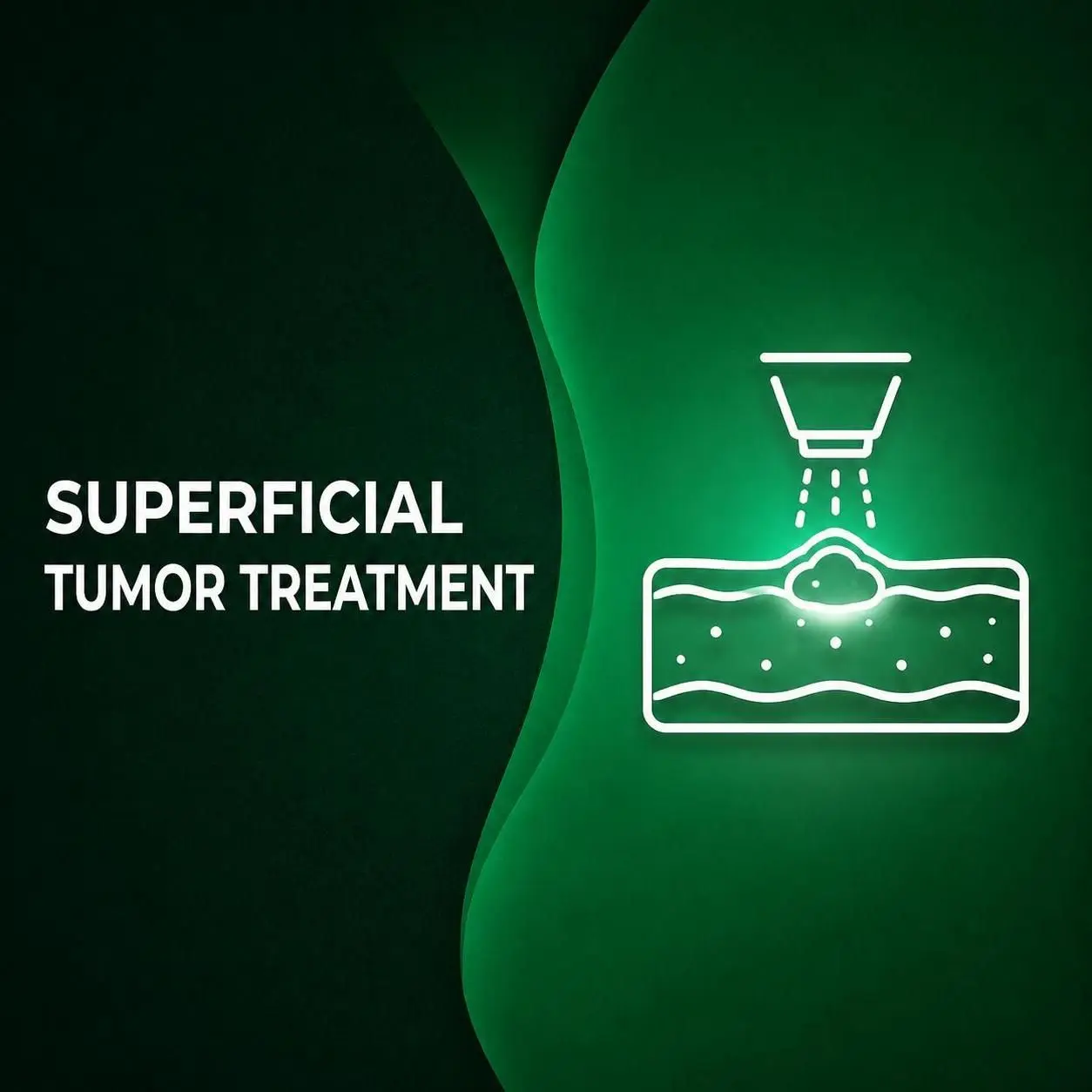
Superficial Tumor Treatment in Sharjah
Lumps and growths can appear on the skin or directly beneath it in different areas of the body, including the face, neck, scalp, back and arms. Some are skin cysts or lipomas, while others may require further investigations to establish their nature.
At Ebn Haian Healthcare, the first step is to assess the lump, its symptoms and location before determining the appropriate next step. If you are searching for superficial tumor treatment in Sharjah, it is important to understand that treatment varies according to the diagnosis. Some lumps may only require monitoring, while others may need imaging, a biopsy, surgical removal or referral to an appropriate specialist.
What Are Superficial Tumors?
The term superficial tumors is used broadly to describe lumps or growths that appear on the skin or in the tissues immediately beneath it. Some are benign, but appearance and touch alone cannot establish the diagnosis in every case.
Depending on their location and characteristics, superficial lumps may include:
- Skin cysts: Closed sacs beneath the skin that may contain fluid or semi-solid material.
- Lipomas: Lumps made of fatty tissue that are often soft and slow-growing.
- Benign skin growths: Certain skin lesions or growths that can be identified through clinical assessment.
- Other soft tissue lumps: Growths that may require imaging or tissue examination to establish a diagnosis.
Some lumps do not require treatment when the diagnosis is clear and they cause no symptoms. However, an unexplained lump or one that changes over time should be medically assessed.
NHS
+2
What Causes Superficial Tumors and Lumps?
The causes vary according to the type of lump. Some develop from fatty tissue beneath the skin, while others form when a skin cyst develops or cells grow within a particular tissue. Other lumps may be associated with inflammation or infection.
The cause cannot always be determined from appearance alone. During an assessment, a clinician may consider:
- How long the lump has been present and how quickly it is growing.
- Its size, location and depth.
- Whether it feels soft or firm and whether it moves beneath the skin.
- Whether there is pain, redness or local warmth.
- Any changes in the skin over the lump.
- Previous lumps, procedures or other relevant symptoms.
This assessment helps determine whether a clinical examination is sufficient or whether further investigations may be needed.
What Are the Symptoms of Superficial Tumors?
Symptoms vary depending on the underlying condition. A lump may be:
- Small and painless.
- Soft or firm to the touch.
- Relatively mobile beneath the skin or fixed in place.
- Slow-growing or increasing in size.
- Associated with pain, redness or swelling if inflammation develops.
- Accompanied by skin changes or discharge in some cases.
When should you seek medical assessment?
An unexplained lump should be assessed, particularly if it persists or does not go away. Seek prompt medical advice if it grows, becomes hard or fixed, or develops pain, redness or warmth. A lump that returns after removal or is accompanied by noticeable skin changes should also be reviewed.
These signs do not necessarily mean that a lump is malignant, but they warrant appropriate assessment rather than self-diagnosis.
NHS
+2
How Are Superficial Tumors Diagnosed?
Diagnosis depends on the lump’s type, location and characteristics. Assessment may include the following steps.
1. Clinical examination
The clinician asks when the lump first appeared and whether it has changed. They examine its size, location, texture and movement in relation to surrounding tissues.
2. Imaging when needed
An ultrasound scan or other appropriate imaging may be recommended if the lump’s nature is unclear or it lies deeper than the skin surface. The choice of imaging depends on the location and clinical findings.
3. Biopsy or tissue examination
If the diagnosis remains uncertain or the findings require further investigation, the clinician may recommend taking a sample or removing the lump for laboratory examination. The tissue results can help establish the diagnosis and guide subsequent care.
Not every superficial lump needs imaging or a biopsy. The decision depends on the clinical findings and the level of concern.
NHS
+3
What Are the Treatment Options for Superficial Tumors?
There is no single treatment suitable for every lump. Management depends on the diagnosis, size, location, symptoms and any investigation results.
1. Medical monitoring
Monitoring may be appropriate for some clearly diagnosed benign lumps that cause no symptoms or concerning changes. A clinician may recommend follow-up to check for changes over time.
2. Surgical removal
Removal may be considered if a lump causes pain or discomfort, grows, or needs to be examined to establish a diagnosis. The clinician determines the appropriate procedure and anaesthesia according to the lump’s nature and location.
3. Treatment of inflammation or infection
If a lump is caused by an abscess or inflammation, it may require specific treatment. An abscess may need medical drainage. The appropriate treatment is determined after examination; antibiotics are not automatically required for every lump or swelling.
4. Referral to a specialist
If the findings require specialist assessment, referral to an appropriate specialist or centre may be the safest next step. A lump that is suspicious for malignancy should not undergo routine removal without an appropriate diagnostic plan.
HWE Clinical Guidance
+2
Is Superficial Tumor Removal Safe, and Will It Leave a Scar?
Risks depend on the lump’s type, size, location and removal method. Potential complications can include bleeding, infection, scarring or recurrence. Some cases may also require additional procedures depending on the tissue examination results.
Before removal, discuss the expected benefits, risks and likely outcome with the clinician. It is not possible to guarantee that a procedure will leave no scar or that a lump will never return.
Aftercare Following Skin or Subcutaneous Lump Removal
Aftercare depends on the procedure, wound size and location. General instructions may include:
- Keep the wound clean and follow dressing instructions.
- Avoid applying pressure to the area or disturbing the wound.
- Attend follow-up appointments and have stitches removed when advised.
- Avoid activities that may stretch the wound until the clinician says it is appropriate.
- Seek medical advice if pain, redness or swelling worsens, or if discharge, fever or persistent bleeding develops.
If a new lump appears or a previously removed lump returns, do not attempt to remove it yourself. Arrange a medical assessment to determine the appropriate next step.
Why Choose Ebn Haian Healthcare?
When looking for superficial tumor treatment in Sharjah, the most important first step is establishing what the lump may be before selecting a treatment. Appropriate assessment helps determine whether monitoring, removal, further investigations or specialist referral may be needed.
The intended approach to care includes:
- Assessing the lump according to its symptoms, location and characteristics.
- Explaining options based on the clinical findings.
- Clarifying when imaging or a biopsy may be required.
- Discussing the benefits, risks and aftercare associated with a procedure.
- Helping patients enquire about the appropriate clinician and branch according to service availability.
Contact Ebn Haian Healthcare to enquire about medical assessment and available services in Sharjah. Treatment is determined after examination, and some cases may require referral to a specialist or another appropriate centre.
Frequently Asked Questions About Superficial Tumor Treatment in Sharjah
1. What are superficial tumors?
The term refers broadly to lumps or growths on the skin or in the tissues directly beneath it. These may include skin cysts, lipomas and other types of lumps. Clinical assessment helps determine their nature.
2. Are all superficial tumors benign?
No. Many lumps are common and benign, but their nature cannot always be established without appropriate assessment. Some may require imaging, a biopsy or tissue examination.
3. When should a lump under the skin be checked?
An unexplained lump should be assessed, especially if it persists, grows, becomes painful or red, or feels hard and fixed. A lump that returns after removal also needs medical review.
4. Does every superficial tumor need surgery?
No. Monitoring may be sufficient for some benign lumps that cause no symptoms. Other cases may need treatment, removal or further investigations depending on the diagnosis.
5. Does a superficial tumor need a biopsy?
Not always. A biopsy may be recommended when the clinician needs to establish the nature of the lump or investigate specific concerns. The decision depends on the examination and clinical findings.
6. Can a lump return after surgical removal?
Yes. Some lumps may recur depending on their type and the removal method, and new lumps may develop elsewhere. If a lump returns in the same location, it should be assessed by a clinician.
7. Will superficial tumor removal leave a scar?
Surgical removal may leave a scar. Its appearance depends on the size and location of the lump, the wound closure technique and individual healing. The clinician can discuss expected outcomes and risks before the procedure.
8. Where can I enquire about superficial tumor treatment in Sharjah?
Contact Ebn Haian Healthcare to enquire about assessment, available services and the appropriate clinician in Sharjah. Confirm procedure availability with the relevant branch. Some cases may require specialist referral