Overview
Family Planning in Sharjah and Dubai – Women’s Health Consultations at Ebn Hayan
Professional Family Planning Consultation and Contraception Guidance
Family planning helps women and couples make informed decisions about pregnancy timing, birth spacing, and reproductive health. Whether you are considering delaying pregnancy, choosing a suitable contraceptive method, or preparing for a future pregnancy, understanding your options is an important part of making the right decision for your health and personal circumstances.
If you are looking for family planning in Sharjah or Dubai, Ebn Hayan Healthcare provides women’s healthcare consultations where you can discuss your needs, understand available contraception options, and receive medical guidance based on your individual health history.
Family planning is not limited to preventing pregnancy. It also includes pregnancy planning, birth spacing, understanding reproductive health changes, and reviewing contraception choices when your circumstances change.
There is no single contraceptive method that is suitable for every woman. Factors such as age, medical history, breastfeeding, menstrual cycle patterns, medications, and future pregnancy plans may all influence the choice.
Contact Ebn Hayan Healthcare to enquire about family planning consultations in Sharjah and Dubai and find out about appointment availability at the appropriate branch.

What Is Family Planning?
Family planning is the process of making informed decisions about whether and when to have children, how to space pregnancies, and which contraceptive methods may be appropriate.
It includes access to information and medical guidance about different contraception options, pregnancy preparation, and reproductive health.
Family planning may involve:
- Choosing a suitable contraceptive method.
- Delaying pregnancy for a preferred period.
- Planning the time between pregnancies.
- Discussing contraception after childbirth.
- Understanding contraception options during breastfeeding.
- Reviewing side effects associated with an existing method.
- Preparing for pregnancy after stopping contraception.
The most appropriate approach depends on each woman’s health, preferences, and future plans. A healthcare professional can help explain the benefits, limitations, and possible side effects of available methods.
Who Can Benefit from a Family Planning Consultation?
A family planning consultation may be helpful for women at different stages of life and reproductive health.
You may consider a consultation if you:
- Want to delay pregnancy for a specific period.
- Are planning to space pregnancies.
- Are considering contraception for the first time.
- Want to discuss birth control options after childbirth.
- Are breastfeeding and need guidance about suitable contraception.
- Experience side effects from your current contraceptive method.
- Want to change or discontinue an existing method.
- Are planning a future pregnancy.
- Have a medical condition or take medication that may affect contraceptive choices.
- Have questions about menstrual changes associated with contraception.
Women who have concerns about puberty, menstrual cycles, or reproductive health may also benefit from an appropriate women’s health consultation, depending on their age and individual needs.

What Are the Different Family Planning and Contraception Methods?
Several contraceptive methods are available, and they differ in how they work, how long they last, how they are used, and their possible side effects.
Understanding these differences can help you prepare for a discussion with your healthcare professional.
1. Birth Control Pills
Birth control pills are hormonal contraceptives taken according to a prescribed schedule. Different types are available, including combined pills containing oestrogen and progestogen and progestogen-only pills.
The choice of pill depends on individual health factors, breastfeeding status, medical history, and other medications.
Some women may experience changes in menstrual bleeding, spotting, or cycle patterns after starting hormonal contraception. Correct and consistent use is important for effectiveness.
A healthcare professional can help determine whether a particular type of contraceptive pill is suitable for your circumstances.
2. Copper Intrauterine Device (Copper IUD)
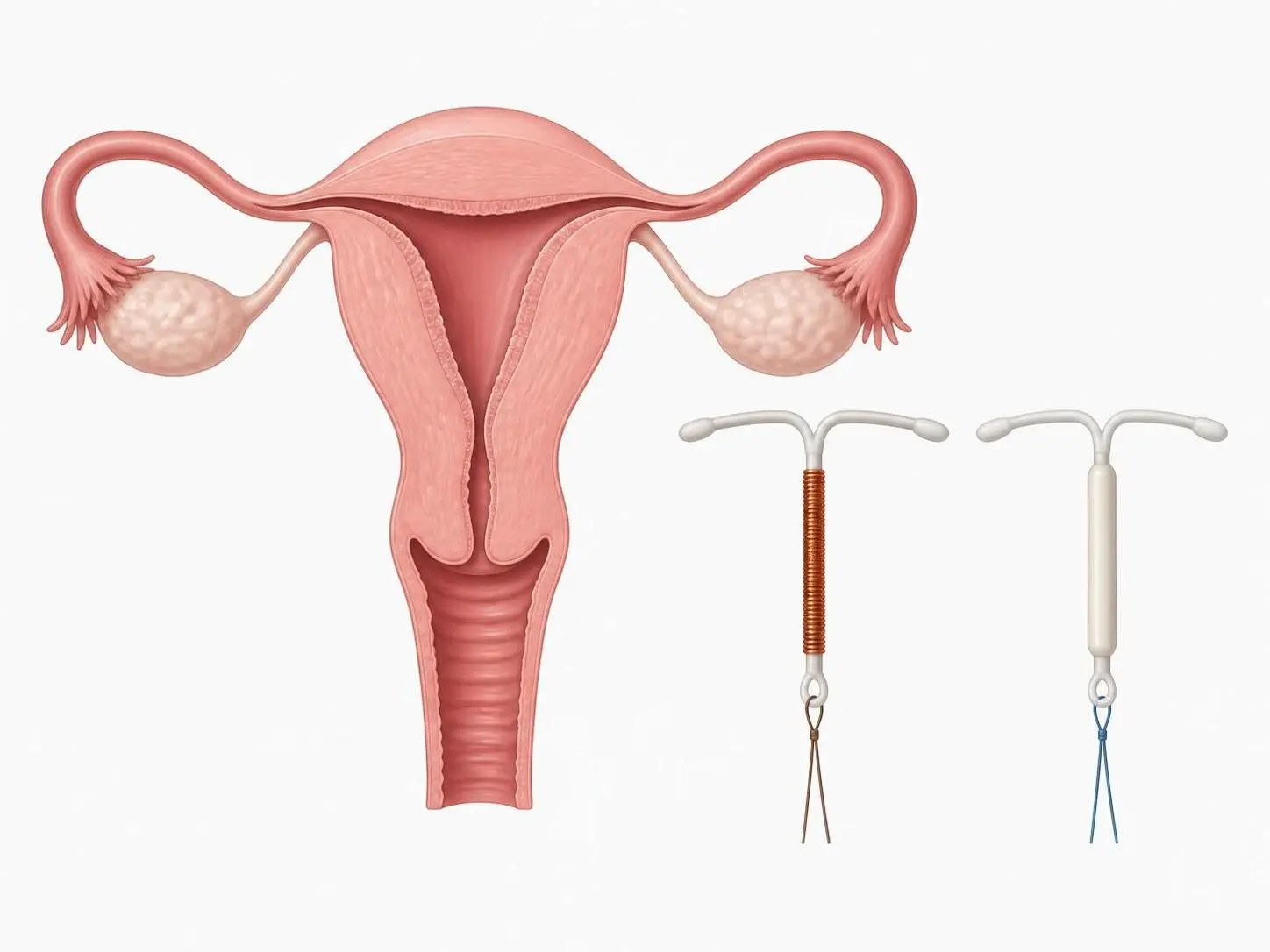
A copper intrauterine device, commonly called a copper IUD, is a small device placed inside the uterus by a trained healthcare professional.
It is a non-hormonal, long-acting contraceptive option that may suit women who prefer contraception without daily medication.
Some women experience changes in menstrual bleeding or cramps, particularly during the initial months after insertion.
A medical assessment is important before choosing this method to discuss its suitability, possible side effects, and any relevant medical considerations.
3. Hormonal Intrauterine Device (Hormonal IUD)
A hormonal IUD is a small device placed inside the uterus that releases a form of progestogen.
It provides long-acting contraception, and its duration depends on the specific type of device.
Some women experience lighter menstrual bleeding over time, while others may notice irregular spotting, especially during the early months.
The choice between a copper IUD and a hormonal IUD should be based on medical suitability, menstrual history, and personal preferences.
4. Contraceptive Injections
Contraceptive injections are hormonal methods administered at specific intervals to prevent pregnancy.
They may be an option for women who prefer not to take a daily contraceptive pill.
Possible effects include changes in menstrual bleeding or irregular periods. The time it takes for fertility to return after stopping injections may also differ from other contraceptive methods.
Discussing future pregnancy plans before choosing this method is important.
5. Contraceptive Implant
A contraceptive implant is a small hormonal rod placed under the skin of the upper arm by a trained healthcare professional.
It provides long-acting contraception without requiring daily medication.
Changes in menstrual bleeding patterns are among the possible side effects. The suitability of the implant depends on individual medical factors and preferences.
Availability of insertion and removal procedures should be confirmed with the clinic before booking.
6. Barrier Contraceptive Methods
Barrier methods work by preventing sperm from reaching the egg.
The male condom is a commonly used barrier method. When used correctly, it can help prevent pregnancy and reduce the risk of sexually transmitted infections.
Other barrier options may also be discussed according to individual needs and availability.
7. Natural Family Planning Methods
Natural family planning methods involve tracking menstrual cycles and identifying fertile days to help plan or avoid pregnancy.
These methods require careful monitoring and a good understanding of the menstrual cycle.
They may be less reliable in typical use than some other contraceptive methods, particularly when menstrual cycles are irregular.
A healthcare professional can explain their limitations and help you understand whether they may suit your circumstances.
How to Choose the Right Birth Control Method
Choosing a contraceptive method involves more than considering how long it prevents pregnancy. The decision should also take into account your health, lifestyle, preferences, and future plans.
During a family planning consultation, the following questions may help guide the discussion:
- Do you want to delay pregnancy for a short period or several years?
- Would you prefer a daily method or long-acting contraception?
- Are you currently breastfeeding?
- Do you have any medical conditions?
- Are you taking prescription medication?
- Have you experienced side effects from contraception before?
- Do you have irregular periods or heavy menstrual bleeding?
- Are you planning to become pregnant in the near future?
Some contraceptive methods may not be appropriate for women with certain health conditions or risk factors.
For this reason, it is important to receive individual medical advice rather than choosing a method solely based on another person’s experience.
Family Planning After Childbirth and During Breastfeeding
Family planning after childbirth is an important part of postpartum healthcare.
After delivery, women may have different contraception needs depending on their recovery, breastfeeding status, medical history, and plans for future pregnancies.
Some contraceptive methods may be suitable during breastfeeding, while others may require specific timing or precautions.
A postpartum family planning consultation can help you discuss:
- When to start contraception after delivery.
- Which methods may be suitable during breastfeeding.
- How different contraceptive methods may affect menstrual bleeding.
- How to plan the time between pregnancies.
- Any medical considerations following pregnancy or childbirth.
- Future pregnancy plans and the timing of stopping contraception.
Breastfeeding should not automatically be considered a reliable method of preventing pregnancy in every situation. The Lactational Amenorrhea Method (LAM) is effective only when specific medical criteria are met, including the baby’s age, exclusive or nearly exclusive breastfeeding, and the absence of returned menstrual periods.
If these criteria are not met, another contraceptive method may be needed.
Can Birth Control Affect Your Menstrual Cycle?
Yes. Some contraceptive methods can change menstrual bleeding patterns, but the effects vary depending on the method and the individual.
Possible changes include:
- Light spotting between periods.
- Changes in the timing of menstrual bleeding.
- Lighter or heavier periods.
- Irregular bleeding.
- Reduced menstrual bleeding with certain hormonal methods.
- Changes in menstrual cramps.
These changes do not always indicate a medical problem. However, persistent or heavy bleeding, severe pain, or unusual symptoms should be assessed by a healthcare professional.
If you notice uncomfortable changes after starting contraception, a medical consultation can help determine whether the method should be reviewed or whether another option may be more appropriate.
For women experiencing persistent irregular periods or other menstrual concerns, a separate gynecological assessment may be recommended.
What Is the Difference Between Family Planning and Pregnancy Planning?
Family planning focuses on decisions about pregnancy timing, birth spacing, and contraception.
Pregnancy planning focuses on preparing for a healthy pregnancy when a woman or couple is ready to conceive.
A pre-pregnancy consultation may include discussions about:
- Medical history and existing health conditions.
- Current medications and their suitability before pregnancy.
- Menstrual cycle patterns.
- Previous pregnancy history.
- Lifestyle and general health.
- Folic acid and other recommended pre-pregnancy care.
- When to discontinue the current contraceptive method.
The time required for fertility to return after stopping contraception varies depending on the method. Some methods allow a relatively quick return to fertility, while others, particularly certain contraceptive injections, may take longer.
A healthcare professional can explain what to expect based on the method being used.
What Happens During a Family Planning Consultation at Ebn Hayan?
A family planning consultation is an opportunity to discuss your reproductive health, understand your available options, and make an informed decision.
The consultation may include the following steps, depending on your individual circumstances.
1. Medical History and Personal Needs
The healthcare professional may ask about your age, menstrual cycle, previous pregnancies, childbirth history, breastfeeding status, existing medical conditions, and current medications.
You may also be asked about previous contraceptive methods and any side effects you experienced.
2. Discussion of Contraceptive Options
Different methods can be discussed according to your health history and preferences.
This may include their duration, method of use, potential side effects, effectiveness, and relevant precautions.
You can ask questions about any method you are considering.
3. Examination or Medical Tests When Needed
Not every family planning consultation requires the same tests or examinations.
In some cases, the consultation may be based on medical history and clinical assessment. In other situations, the healthcare professional may recommend blood tests, an examination, or ultrasound imaging if there is a medical reason.
The recommended assessment depends on your individual needs.
4. Choosing an Appropriate Approach
After discussing the available options, benefits, limitations, and possible side effects, you can make an informed decision together with your healthcare professional.
The aim is to identify an approach that takes your health and personal preferences into account.
5. Follow-Up and Review
Some women may need follow-up appointments, particularly if they experience side effects, have questions about their method, or wish to change or discontinue contraception.
Follow-up advice depends on the selected method and individual circumstances.
How to Prepare for Your Family Planning Appointment
Preparing a few details before your consultation can help make the discussion more useful.
Consider the following:
- Record the first day of your last menstrual period, if relevant.
- Make a note of your current contraceptive method.
- Mention any previous contraceptive methods and side effects.
- Prepare a list of medications and supplements you take.
- Inform the healthcare professional about existing medical conditions.
- Bring relevant medical reports or previous test results if available.
- Write down questions about contraception, breastfeeding, menstrual changes, or future pregnancy plans.
Do not stop or start a contraceptive method without appropriate guidance, particularly if you have an existing medical condition or take regular medication.
When Should You Seek Medical Advice?
You should consider a medical consultation when you want to start contraception, change your current method, discuss pregnancy planning, or understand unexpected menstrual changes.
Seek medical advice if you experience persistent irregular bleeding, heavy menstrual bleeding, or symptoms that concern you.
Severe abdominal or pelvic pain, very heavy bleeding, fainting, severe dizziness, or suspected pregnancy accompanied by pain or bleeding may require urgent medical assessment.
Do not delay urgent medical care if symptoms are severe.
Family Planning in Sharjah and Dubai at Ebn Hayan Healthcare
Every woman has individual healthcare needs and personal plans. Understanding the available family planning options can help you make informed decisions about contraception, pregnancy spacing, and future pregnancy preparation.
At Ebn Hayan Healthcare, you can enquire about women’s health and family planning consultations in Sharjah and Dubai.
Contact our team to confirm service availability, appointment schedules, and the appropriate branch for your consultation.
Take the next step towards informed reproductive health decisions. Contact Ebn Hayan Healthcare to enquire about a family planning appointment.
The information on this page is intended for general educational purposes and does not replace professional medical advice. The suitability of any contraceptive method depends on individual medical assessment, and possible effects may vary from one woman to another.