Overview
ELITA SILK Vision Correction in Sharjah and Dubai
Are you tired of relying on glasses or contact lenses because of nearsightedness or astigmatism? Are you exploring modern laser vision correction options that do not require creating a corneal flap?
ELITA SILK is a laser vision correction procedure that uses advanced femtosecond laser technology to create a small lenticule inside the cornea. This lenticule is then removed through a small incision to reshape the cornea and improve how light focuses on the retina.
The procedure is primarily designed to correct myopia, with or without astigmatism, in patients who meet the required medical criteria.
Ebn Hayan Healthcare provides ELITA SILK vision correction in Sharjah and Dubai. A comprehensive eye assessment is essential before determining whether this procedure is suitable for each patient.
Learn more about how ELITA SILK works, how it differs from other vision correction procedures, the examinations required, the recovery process, and potential risks.
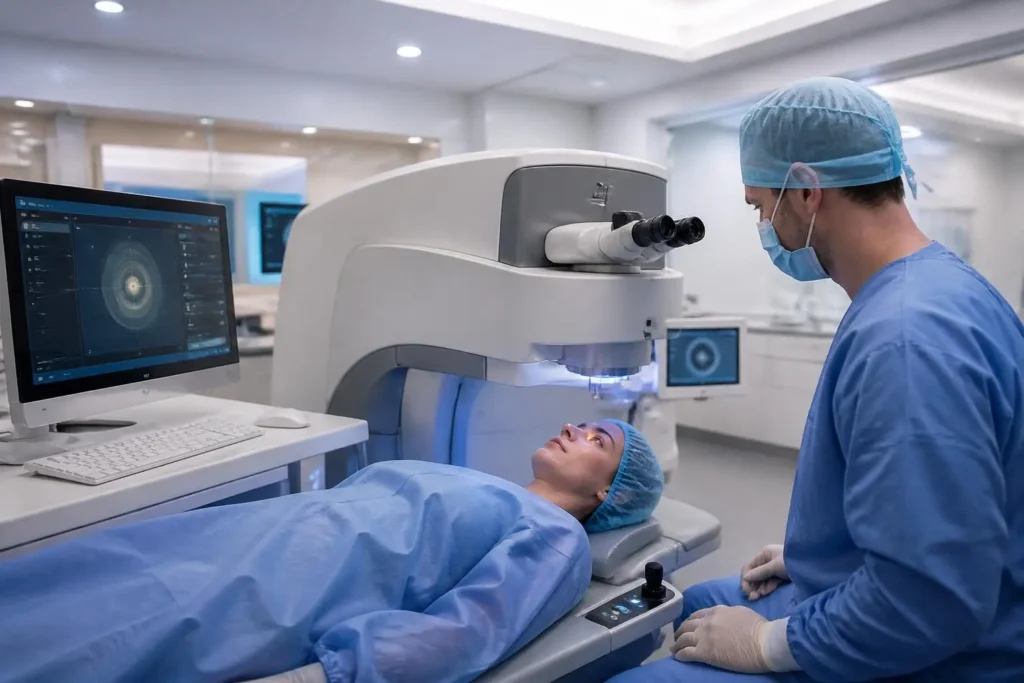
Table of Contents
What Is ELITA SILK Vision Correction?
SILK stands for:
Smooth Incision Lenticule Keratomileusis
It is a laser vision correction procedure performed using the ELITA Femtosecond Laser system developed by Johnson & Johnson Vision.
The procedure works by using highly controlled femtosecond laser pulses to create a small, precisely shaped piece of tissue called a lenticule inside the cornea.
The surgeon then removes this lenticule through a small incision. Removing the tissue changes the shape of the cornea, helping light focus more accurately on the retina.
One of the main features of ELITA SILK is that it does not require the creation of a large corneal flap, unlike traditional LASIK procedures.
How Does the ELITA SILK Procedure Work?
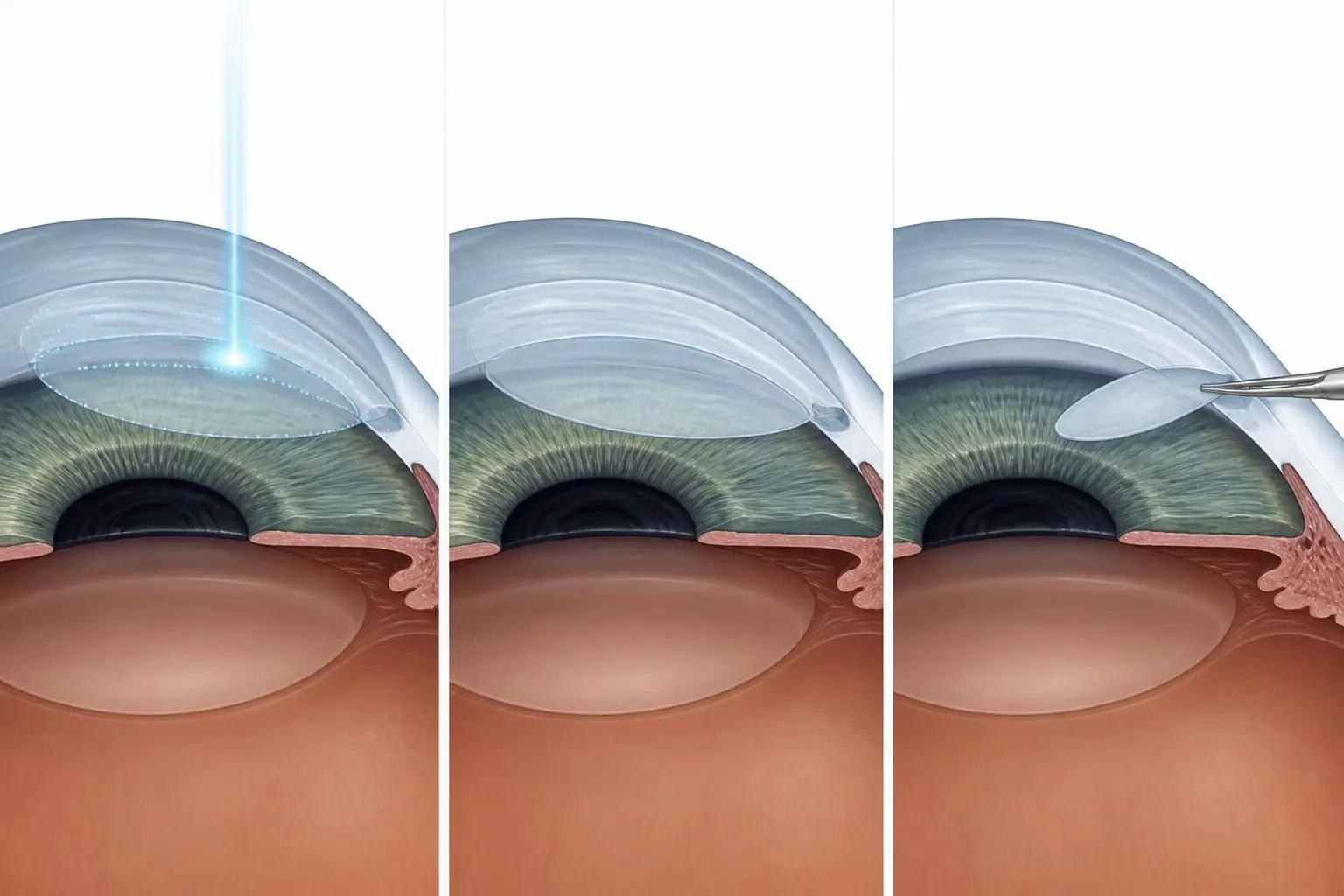
The procedure generally involves three main stages:
1. Creating the Corneal Lenticule
The ELITA femtosecond laser creates a precisely planned lenticule within the corneal tissue according to the patient’s measurements and treatment plan.
2. Removing the Lenticule
The surgeon removes the lenticule through a small incision in the cornea without creating a large corneal flap.
3. Reshaping the Cornea
Once the lenticule has been removed, the corneal shape changes in a controlled way. This helps correct the refractive error and improve how light focuses on the retina.
The treatment plan is based on detailed pre-operative examinations and individual eye measurements. The procedure also requires appropriate surgical expertise and careful patient selection.
Which Vision Problems Can ELITA SILK Treat?
ELITA SILK is primarily used to correct myopia and may also treat selected cases of myopia combined with astigmatism.
1. Nearsightedness (Myopia)
Nearsightedness is a common refractive error in which nearby objects may appear clearer than distant objects.
It occurs when light focuses in front of the retina rather than directly on it.
ELITA SILK changes the shape of the cornea by removing a precisely calculated lenticule. This helps adjust the way light is refracted and can improve distance vision.
2. Astigmatism
Astigmatism is a refractive error commonly caused by an irregular curvature of the cornea or lens.
It can cause blurred or distorted vision at different distances.
ELITA SILK may correct selected degrees of astigmatism associated with myopia, depending on the patient’s eye measurements and corneal condition.
Important: The fact that ELITA SILK can correct myopia and certain forms of astigmatism does not mean it is suitable for every prescription. An ophthalmologist must assess the patient’s eyes before recommending the procedure.
Who May Be Suitable for ELITA SILK?
ELITA SILK may be an option for some people who want to reduce their dependence on glasses or contact lenses.
However, eligibility is not determined by the glasses prescription alone. Several clinical factors need to be considered, including:
- Being an adult who meets the procedure’s age requirements.
- Having a stable glasses prescription.
- Having myopia within the treatment range of the procedure.
- Having astigmatism that can be addressed by the available treatment parameters, if applicable.
- Having suitable corneal thickness and shape.
- Having generally healthy eyes.
- Not having corneal conditions that could affect surgical safety.
- Having an ocular surface and tear film suitable for the procedure.
- Not having medical or eye conditions that could interfere with healing.
Some people may not be suitable candidates, including those with keratoconus, certain forms of corneal irregularity, or significant uncontrolled ocular surface problems.
In some situations, surgery may need to be postponed, such as when the prescription is unstable or during pregnancy and breastfeeding, until measurements are stable and the ophthalmologist has reassessed the patient.
The final decision should always be based on a comprehensive clinical examination.
What Is the Difference Between ELITA SILK, SMILE, and Femto-LASIK?
Several laser vision correction procedures are available. Although they share the goal of improving vision, they differ in how they treat the cornea.
ELITA SILK
ELITA SILK uses the ELITA Femtosecond Laser to create a small lenticule inside the cornea. The surgeon removes this lenticule through a small incision.
The procedure does not require creating a corneal flap.
SMILE
SMILE also uses femtosecond laser technology to create a lenticule within the cornea, which is then removed through a small incision.
However, the technology and procedure details differ from SILK. The two procedures should not be treated as identical or assumed to produce the same outcomes.
Femto-LASIK
Femto-LASIK uses a femtosecond laser to create a thin corneal flap. An excimer laser is then used to reshape the underlying corneal tissue.
The main difference is that Femto-LASIK involves creating a flap, while ELITA SILK removes a lenticule through a small incision without creating a corneal flap.
| Feature | ELITA SILK | SMILE | Femto-LASIK |
|---|---|---|---|
| Correction method | Corneal lenticule extraction | Corneal lenticule extraction | Corneal reshaping with an excimer laser |
| Corneal flap | No | No | Yes |
| Incision | Small incision | Small incision | Corneal flap |
| Main technology | ELITA Femtosecond Laser | Dedicated femtosecond laser platform | Femtosecond + Excimer lasers |
| Main application | Myopia, with or without astigmatism | Myopia and selected astigmatism | Refractive errors depending on the system and patient |
No single procedure is suitable for everyone. An ophthalmologist may recommend a different technique if the examination indicates that another option is more appropriate for the patient’s corneal condition and vision requirements.
What Tests Are Required Before ELITA SILK?
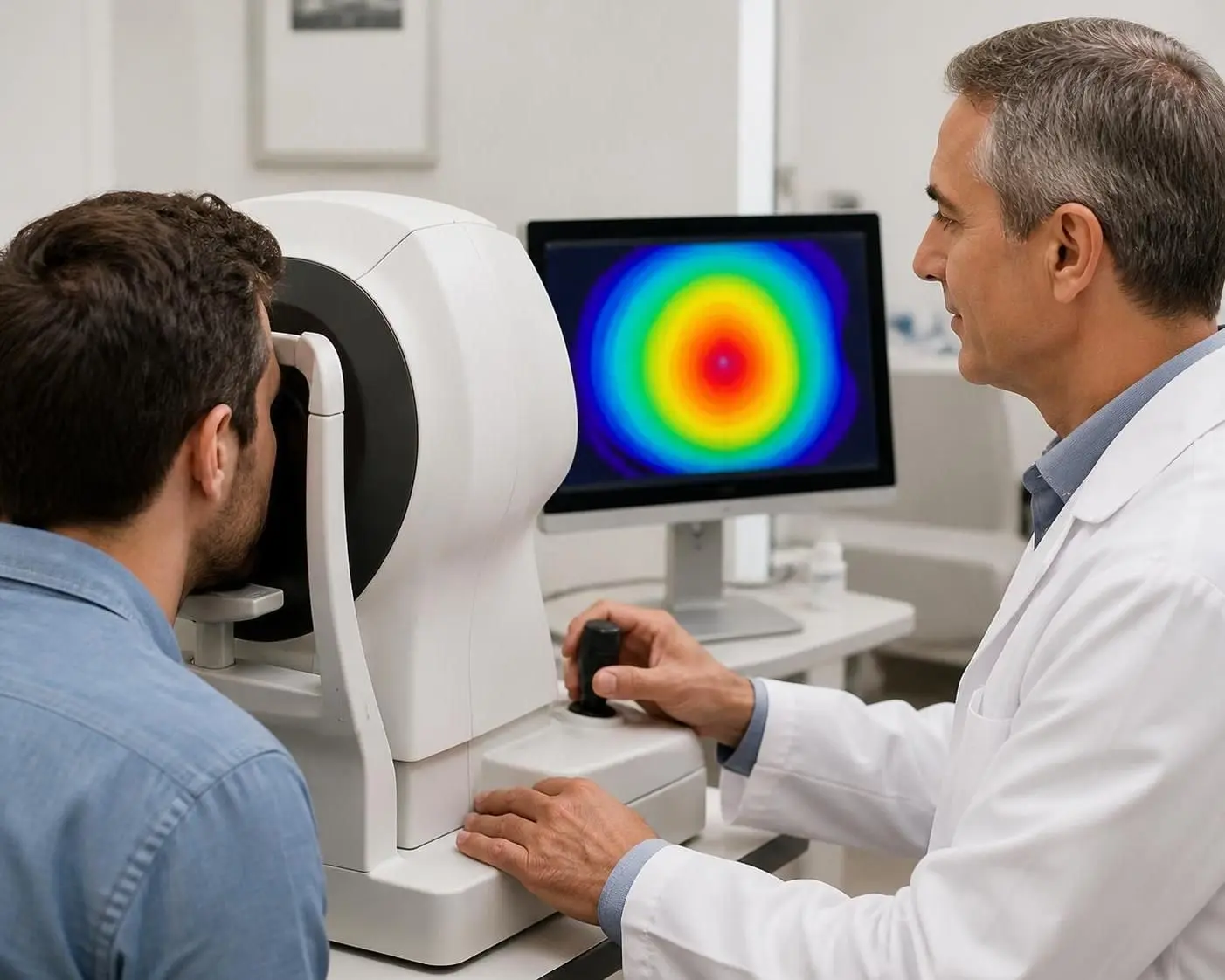
A comprehensive eye examination is one of the most important steps before laser vision correction.
These examinations help determine whether the cornea is suitable for the procedure and provide the measurements needed to plan treatment.
The assessment may include:
1. Refraction Test
Measures the degree of myopia and astigmatism and helps determine whether the prescription has remained stable.
2. Corneal Topography
Creates a detailed map of the corneal surface and curvature. It helps identify irregularities that may affect surgical suitability.
3. Pachymetry
Measures corneal thickness, which is an important consideration when planning corneal refractive surgery.
4. Dry Eye Assessment
Evaluates the tear film and ocular surface. Existing dry eye symptoms may affect patient comfort and recovery after vision correction procedures.
5. Comprehensive Eye Examination
Assesses overall eye health and may include examination of the cornea, lens, retina, and eye pressure, depending on the patient’s clinical needs.
After completing the examinations, the ophthalmologist reviews the findings and determines whether ELITA SILK is appropriate or whether another treatment option should be considered.
How Is the ELITA SILK Procedure Performed?
ELITA SILK is generally performed as a short surgical procedure according to a treatment plan established after the patient’s assessment.
The procedure typically involves the following stages:
Step 1: Preparing the Eye
The patient is prepared for the procedure, and anaesthetic eye drops are applied to numb the eye. The eyelids are gently held open to prevent blinking during treatment.
Step 2: Creating the Lenticule
The ELITA femtosecond laser creates a precisely shaped lenticule inside the cornea according to the patient’s measurements.
Step 3: Removing the Lenticule
The surgeon removes the lenticule through a small incision while preserving the surrounding corneal tissue as much as possible within the surgical technique.
Step 4: Completing the Procedure
After removing the lenticule, the surgeon checks the eye and provides instructions regarding eye drops, eye protection, and follow-up appointments.
The exact procedure and its duration depend on the patient’s condition and the surgical plan. The ophthalmologist should explain what to expect before the procedure is scheduled.
How Should You Prepare for ELITA SILK?
Following the medical team’s instructions helps ensure accurate measurements and appropriate preparation.
Patients may be advised to:
- Stop wearing contact lenses for a period specified by the ophthalmologist before the examination or procedure.
- Inform the doctor about existing medical conditions and medications.
- Mention any previous eye surgery or history of corneal problems.
- Report dry eye symptoms or eye allergies.
- Avoid applying eye makeup or creams around the eyes on the day of surgery.
- Arrive according to the centre’s instructions.
- Arrange transportation home, as vision may be temporarily blurred after the procedure.
The recommended period for stopping contact lens use varies according to lens type and individual circumstances. Patients should follow their ophthalmologist’s specific instructions.
Recovery After ELITA SILK
Recovery varies from one patient to another. Some people notice an improvement in their vision during the early recovery period, while others may need more time before their vision becomes stable.
During the First Few Hours
Patients may experience temporary symptoms such as:
- Blurred or hazy vision.
- Sensitivity to light.
- Mild eye discomfort or watering.
- A gritty or foreign-body sensation.
The intensity and duration of these symptoms vary between individuals.
During the First Few Days
Vision may gradually improve, although some fluctuations can occur.
Patients should use their prescribed eye drops and avoid rubbing or pressing on the eyes.
The ophthalmologist will advise when it is appropriate to return to work and resume normal activities.
During the Following Weeks
The eyes continue to recover, and vision may gradually stabilize.
Follow-up examinations allow the ophthalmologist to monitor healing and identify any complications that may require attention.
Aftercare Instructions Following SILK Surgery
Following the post-operative instructions is important for protecting the eyes during recovery.
Patients are generally advised to:
- Use prescribed eye drops according to the recommended schedule.
- Avoid rubbing or pressing on the eyes.
- Prevent exposure to unclean water during the period specified by the doctor.
- Avoid swimming until cleared by the ophthalmologist.
- Avoid applying eye makeup for the recommended period.
- Use protective eye shields if advised.
- Attend all scheduled follow-up appointments.
- Contact the clinic if they experience severe pain, sudden deterioration in vision, or unusual symptoms.
Patients should not stop their eye drops or change the prescribed dosage without consulting their ophthalmologist.
What Results Can You Expect from ELITA SILK?
ELITA SILK aims to correct myopia and selected cases of astigmatism, helping patients reduce their dependence on glasses or contact lenses.
However, outcomes vary between individuals and may depend on several factors, including:
- The original degree of myopia.
- The degree of astigmatism.
- Corneal thickness and shape.
- Accuracy of pre-operative measurements.
- Overall eye health.
- The individual’s healing response.
A published clinical study of SILK using the ELITA platform included 85 patients and 170 eyes, with a six-month follow-up period. The study evaluated refractive outcomes following myopia and astigmatism correction.
Clinical studies help improve understanding of a procedure, but their findings should not be interpreted as a guarantee of the same result for every patient.
Patients should discuss realistic expectations with their surgeon before treatment. No specific visual outcome can be guaranteed.
What Are the Possible Risks and Side Effects of ELITA SILK?
Although SILK uses a small incision and does not create a corneal flap, it remains a surgical procedure involving the cornea. Like other surgical treatments, it may have side effects and potential complications.
These may include:
- Dry eye symptoms or eye discomfort.
- Temporary fluctuations in vision during recovery.
- Light sensitivity or halos around lights.
- Residual refractive error or the possible need for additional correction in selected cases.
- Difficulty removing the lenticule or other procedure-related complications.
- Eye inflammation or infection.
- Corneal complications that may affect visual quality.
The likelihood of these complications varies according to the patient’s condition, the surgeon’s assessment, and the procedure itself.
A pre-operative consultation should include a clear discussion of potential risks, expected benefits, limitations, and alternative treatments.
Why Choose Ebn Hayan Healthcare for ELITA SILK Assessment?
Choosing a suitable vision correction procedure starts with understanding the patient’s eye condition and individual needs, rather than selecting a procedure based on its name alone.
Ebn Hayan Healthcare provides ELITA SILK vision correction in Sharjah and Dubai. Patients can contact the centre to enquire about eye assessments, the treatment process, and appointment arrangements.
Important elements of the patient journey include:
- Assessing the degree of myopia and astigmatism.
- Evaluating corneal shape and thickness.
- Determining whether the eyes are suitable for the procedure.
- Discussing available vision correction options.
- Explaining potential benefits, limitations, and risks.
- Providing pre-operative and post-operative instructions.
- Arranging the necessary follow-up examinations.
The final treatment recommendation depends on the examination findings and the ophthalmologist’s clinical assessment. Another vision correction procedure may be more suitable for some patients.
Book an ELITA SILK Vision Assessment in Sharjah and Dubai
If you have myopia or astigmatism and want to find out whether ELITA SILK may be suitable for your eyes, contact Ebn Hayan Healthcare to enquire about an assessment appointment.
A comprehensive eye examination can help determine your corneal condition, refractive error, and available vision correction options.
Contact the centre to enquire about available assessment appointments and service locations in Sharjah and Dubai.
Frequently Asked Questions About ELITA SILK
1. What is ELITA SILK vision correction?
ELITA SILK is a laser vision correction procedure that uses the ELITA Femtosecond Laser to create a small lenticule inside the cornea. The lenticule is removed through a small incision to correct myopia and selected cases of astigmatism.
2. Is ELITA SILK the same as SMILE?
No. Both procedures involve removing a lenticule from the cornea without creating a large corneal flap, but SILK uses the ELITA laser platform and has its own procedure design and technology.
3. What is the difference between ELITA SILK and Femto-LASIK?
ELITA SILK removes a lenticule through a small incision without creating a corneal flap. Femto-LASIK uses a femtosecond laser to create a flap, followed by an excimer laser to reshape the cornea.
4. Can ELITA SILK correct nearsightedness?
Yes. ELITA SILK is designed to correct myopia in patients who meet the medical eligibility requirements.
5. Can ELITA SILK correct astigmatism?
The procedure may correct selected cases of astigmatism associated with myopia. Suitability depends on the degree of astigmatism and the patient’s corneal measurements.
6. Is ELITA SILK suitable for everyone?
No. Patients need to meet specific medical criteria. Age, prescription stability, corneal thickness, corneal shape, and general eye health must be assessed before surgery.
7. Does ELITA SILK involve creating a corneal flap?
No. Unlike LASIK, ELITA SILK does not require creating a corneal flap. The surgeon removes a lenticule through a small incision.
8. Is ELITA SILK painful?
Anaesthetic eye drops are generally used during the procedure. Patients may experience temporary discomfort or sensitivity after surgery, but individual experiences vary.
9. How long does ELITA SILK surgery take?
The duration depends on the patient’s condition and the surgical process. The medical team can explain the expected appointment and procedure time during the assessment.
10. When will my vision improve after SILK surgery?
Some patients notice an improvement during the early recovery period. However, recovery and visual stabilization vary from person to person.
11. Can both eyes be treated on the same day?
Both eyes may be treated during the same appointment in selected cases. The decision depends on the ophthalmologist’s assessment and treatment plan.
12. Can ELITA SILK cause dry eyes?
Dry eye symptoms or temporary eye discomfort may occur after refractive surgery. The tear film and ocular surface should be evaluated before treatment, and symptoms should be monitored during recovery.
13. When can I return to work after ELITA SILK?
This depends on your recovery, the condition of your eyes, and the nature of your work. Your ophthalmologist will advise when you can safely return to work, driving, and daily activities.
14. Are the results of ELITA SILK permanent?
The procedure aims to correct the existing refractive error, but vision can change over time. ELITA SILK also does not prevent natural age-related vision changes or other eye conditions.
15. How much does ELITA SILK cost in Sharjah and Dubai?
The cost may vary according to the medical assessment, treatment plan, and services included. Contact Ebn Hayan Healthcare to enquire about current pricing and what is included.
16. Where can I have ELITA SILK at Ebn Hayan Healthcare?
Ebn Hayan Healthcare provides this service in Sharjah and Dubai. Contact the centre to confirm the assessment location, procedure arrangements, and available appointments.