Overview
Caesarean Delivery in Sharjah and Dubai
Caesarean delivery (C-section) is a surgical method of childbirth in which a baby is delivered through incisions made in the mother’s abdomen and uterus. It may be recommended when vaginal delivery could present greater risks to the mother or baby.
The decision to have a Caesarean section depends on several medical factors, including the baby’s position, placental location, the mother’s medical history, pregnancy progress and previous childbirth experiences.
Regular pregnancy monitoring and professional assessment by an obstetrician and gynaecologist can help women understand their delivery options and prepare for childbirth with greater confidence.
At Ebn Hayan Medical Center in Sharjah and Dubai, women can enquire about pregnancy monitoring and obstetric consultations, discuss concerns related to Caesarean delivery and receive medical guidance about the most appropriate options based on their individual assessment and the services available.
Call to Action: Book an Obstetric Consultation

Table of Contents
What Is Caesarean Delivery?
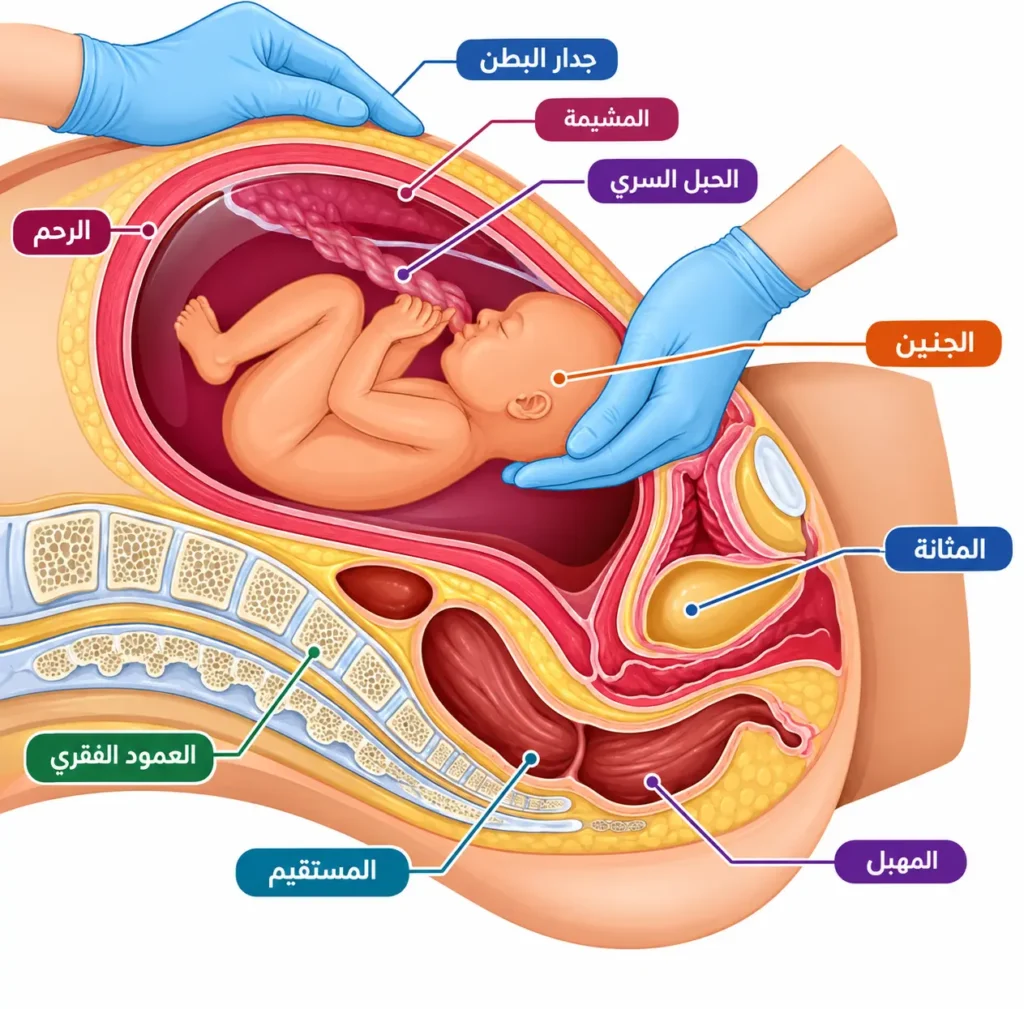
A Caesarean section is a surgical procedure in which a baby is delivered through an incision in the mother’s abdominal wall and uterus rather than through the vaginal birth canal.
A C-section may be planned during pregnancy or become necessary during labour because of medical circumstances that require a different approach to childbirth.
The procedure must be performed in a properly licensed and equipped healthcare facility by an appropriately qualified medical team. This generally includes an obstetrician, an anaesthetist and nursing professionals, with appropriate facilities to manage the medical needs of both mother and baby.
It is important to understand that Caesarean delivery is not necessarily the best option for every woman. Vaginal delivery is suitable for many pregnancies, while a C-section may be medically necessary in other circumstances.
The appropriate delivery method should always be determined through individual medical assessment.
When Is a Caesarean Section Necessary?
An obstetrician may recommend Caesarean delivery when medical assessments indicate that vaginal birth could carry greater risks for the mother or baby.
Some circumstances that may require consideration of a C-section include:
1. Abnormal Fetal Position
When the baby is in a breech position, meaning the buttocks or feet are positioned towards the birth canal instead of the head, or in a transverse position, Caesarean delivery may be recommended depending on the medical assessment.
2. Placenta Previa
Placenta previa occurs when the placenta partially or completely covers the cervix. This may make vaginal delivery unsafe because of the risk of significant bleeding.
3. Certain High-Risk Pregnancies
Some maternal health conditions, including severe pre-eclampsia, certain chronic medical conditions and pregnancy complications, may require a specific delivery plan. Caesarean delivery may be considered depending on the condition of the mother and baby.
4. Failure of Labour to Progress
If labour does not progress as expected or the cervix does not dilate adequately, the obstetrician may determine that continuing with vaginal delivery is no longer the safest option.
5. Signs of Fetal Distress
If monitoring indicates that the baby may not be tolerating labour, such as concerning changes in the fetal heart rate, an urgent Caesarean section may be required.
6. Previous Caesarean Delivery
Having had a previous C-section does not automatically mean that every subsequent birth must also be by Caesarean section.
Some women may be suitable candidates for Vaginal Birth After Caesarean (VBAC), while others may require a repeat C-section.
The decision depends on factors such as the type of previous uterine incision, the number of previous Caesarean deliveries, the current pregnancy and the medical facilities available.
7. Certain Multiple Pregnancies
Twin and multiple pregnancies may require additional assessment when planning delivery.
The appropriate method depends on the position of each baby, gestational age, maternal health and other clinical factors.
Medical note: These are examples of circumstances in which Caesarean delivery may be considered. None automatically means that surgery is required. The final decision depends on an individual clinical assessment.
What Are the Types of Caesarean Delivery?
Caesarean sections are generally classified according to when the decision is made and the medical circumstances surrounding the procedure.
Planned Caesarean Section
A planned C-section is scheduled in advance following an assessment of the pregnancy, the mother’s medical history and the baby’s position.
Advance planning gives the mother an opportunity to understand the procedure, discuss anaesthesia options, complete the necessary medical assessments and prepare for recovery and newborn care.
For pregnancies without a medical reason for earlier delivery, NICE guidance recommends that planned Caesarean birth should not routinely be performed before 39 weeks because of the increased risk of respiratory problems in babies born earlier.
Medical circumstances may require an earlier delivery date.
Emergency Caesarean Section
An emergency C-section is performed when a medical problem develops during pregnancy or labour and requires the baby to be delivered surgically.
Possible reasons include:
- Labour not progressing as expected.
- Signs that the baby is not tolerating labour.
- Significant bleeding.
- Pregnancy complications requiring urgent delivery.
The timing of an emergency Caesarean depends on the severity of the situation and the condition of the mother and baby.
What Is the Difference Between Vaginal Delivery and Caesarean Delivery?
Both delivery methods have different characteristics, recovery periods and potential risks. Neither method is automatically better for every woman.
| Comparison | Vaginal Delivery | Caesarean Delivery |
|---|---|---|
| Delivery method | Through the birth canal | Through surgical incisions in the abdomen and uterus |
| Procedure | Usually does not require abdominal surgery | Surgical procedure |
| Anaesthesia | May involve different pain-relief options | Usually regional or spinal anaesthesia |
| Recovery | Often shorter when uncomplicated | Usually requires a longer recovery period |
| Surgical scar | No abdominal surgical scar | Abdominal surgical scar |
| Potential complications | Depend on the individual case | Include surgical and anaesthesia-related risks |
Discussing the benefits and risks of both methods with an obstetrician helps women make informed decisions, particularly when there has been a previous Caesarean section or a high-risk pregnancy.
How Is a Caesarean Section Performed?
A Caesarean section involves several medical stages. The exact process depends on the mother’s condition and whether the procedure is planned or performed as an emergency.
1. Medical Assessment Before Surgery
The obstetrician reviews the mother’s medical history, previous pregnancies, previous Caesarean sections, relevant test results, placental location and the baby’s position.
Current medications, known allergies and any health conditions that could affect anaesthesia or surgery are also reviewed.
2. Preparation and Anaesthesia
For most planned Caesarean sections, regional anaesthesia is used. This may include spinal or epidural anaesthesia.
The mother is usually awake during the procedure but should not feel surgical pain when the anaesthesia is working effectively.
General anaesthesia may be used in certain medical circumstances when considered more appropriate by the anaesthetist.
Before surgery, the medical team explains the necessary instructions regarding food, fluids, medications and medical investigations.
3. Surgical Incision
An incision is made in the abdominal wall, followed by an incision in the uterus to deliver the baby.
A horizontal incision in the lower abdomen is commonly used, although the surgical approach depends on the medical circumstances.
4. Delivery of the Baby
The baby is carefully delivered through the uterine incision.
The medical team assesses the baby’s immediate condition and provides the necessary newborn care.
5. Closing the Surgical Incision
After delivery of the baby and placenta, the obstetrician closes the uterus and the abdominal layers using appropriate surgical techniques.
6. Postoperative Monitoring
The mother is transferred to a recovery or monitoring area, where the medical team checks vital signs, pain, bleeding and recovery from anaesthesia.
Further care is provided according to the healthcare facility’s medical protocols.
How Should You Prepare for a Caesarean Section?
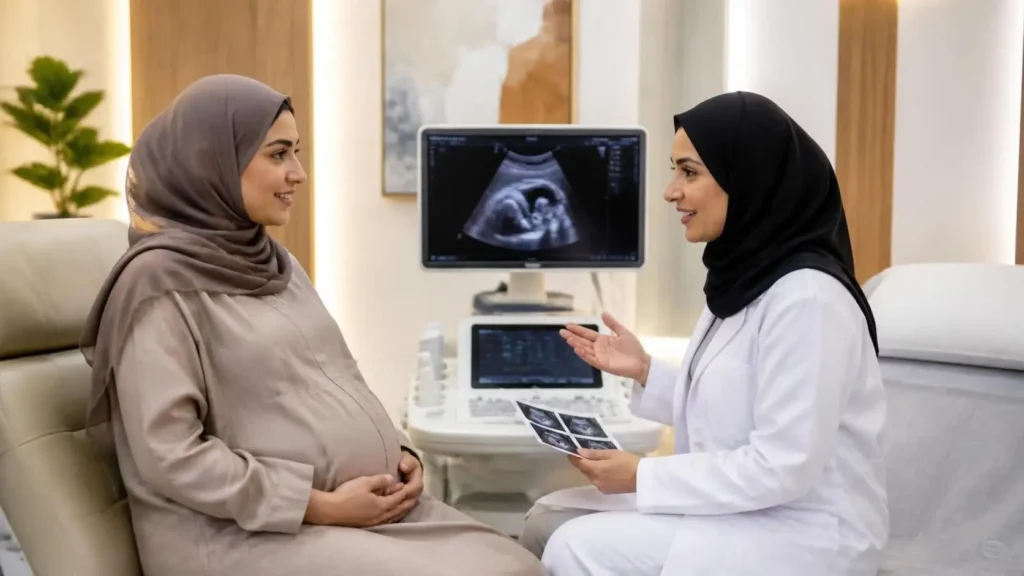
Preparing in advance can help reduce anxiety and organise the medical and practical arrangements before delivery.
Review Your Medical History
Inform your doctor about previous surgeries, chronic medical conditions, allergies, medications and any complications experienced during previous pregnancies or deliveries.
Complete the Recommended Medical Tests
Your doctor may request blood tests, blood group assessment, ultrasound examinations and other investigations according to your individual circumstances.
Discuss Your Medications
Do not stop taking prescribed medication without medical advice.
Discuss all medications and supplements with your healthcare provider, including any changes required before surgery.
Follow Food and Fluid Instructions
Follow the specific fasting instructions provided by your obstetrician and anaesthetist.
Do not rely on general fasting instructions or apply a schedule that has not been approved for your individual procedure.
Arrange Support After Delivery
Prepare essential items for the newborn and arrange assistance at home during the first days after delivery.
This can be particularly helpful because movement and lifting heavy objects may be limited during the initial recovery period.
Is Caesarean Delivery Painful?
Effective anaesthesia is used to prevent surgical pain during the procedure.
Some women may feel pressure or pulling sensations during certain stages of the operation, but they should not experience surgical pain when the anaesthesia is working properly.
After the anaesthesia wears off, discomfort or pain around the incision is common.
The medical team develops an appropriate pain-management plan based on the mother’s condition. Suitable medication can also be discussed, particularly when the mother intends to breastfeed.
Inform the medical team if you experience severe or increasing pain or if the prescribed pain relief is not sufficient.
How Long Does Recovery Take After a Caesarean Section?
Recovery after a C-section generally takes longer than recovery after an uncomplicated vaginal delivery because the procedure involves surgical incisions in the abdominal wall and uterus.
Initial recovery usually takes several weeks, although some women may require more time before returning to their usual activities.
Movement After Surgery
When medically appropriate, patients are usually encouraged to begin moving and walking gradually.
Early, appropriate movement can help reduce the risk of blood clots and support recovery.
Incision Care
Keep the surgical wound clean and dry according to the medical team’s instructions.
Monitor the incision for increasing redness, swelling, unusual discharge or other signs of infection.
Breastfeeding After a C-Section
Many mothers can begin breastfeeding after a Caesarean section when their condition and the baby’s condition allow it.
Some women may need assistance finding a comfortable breastfeeding position that avoids pressure on the incision.
Returning to Daily Activities
Return to normal activities gradually.
Avoid heavy lifting and strenuous exercise until your doctor confirms that it is safe to resume them.
There is no single recovery timeline that applies to every woman. Overall health, surgical circumstances and the presence of complications can affect recovery time.
What Are the Risks and Possible Complications of Caesarean Delivery?
A Caesarean section is a common surgical procedure, but like other operations, it carries potential risks that should be understood before making a decision.
Possible complications include:
- Wound infection or other infections.
- Bleeding during or after surgery.
- Blood clots in the legs or lungs.
- Reactions or complications related to anaesthesia.
- Injury to nearby organs, such as the bladder, which is less common.
- Internal adhesions following surgery.
- Temporary breathing difficulties in some newborns, particularly when a planned C-section is performed before 39 weeks without an appropriate medical reason.
A previous Caesarean section may also influence future pregnancies and increase the risk of certain complications, including placenta accreta spectrum and problems associated with the uterine scar.
These risks do not mean that complications will occur in every patient. The likelihood varies according to medical history and the circumstances of the operation.
The obstetrician should explain the risks relevant to each individual patient before the procedure.
Can You Have a Vaginal Birth After a Previous C-Section?
Yes. Vaginal Birth After Caesarean (VBAC) may be an appropriate option for some women.
However, eligibility depends on several factors, including:
- The type of previous uterine incision.
- The number of previous Caesarean sections.
- The reason for the previous C-section.
- Any complications during the current pregnancy.
- The baby’s position and condition.
- The healthcare facility’s ability to manage an emergency during labour.
Women should discuss their options with an obstetrician early in pregnancy and bring their previous surgical records whenever possible.
How Much Does a Caesarean Section Cost in Sharjah and Dubai?
The cost of Caesarean delivery in the UAE varies depending on the healthcare facility, room category, medical fees, anaesthesia, length of stay, investigations, medications and the mother’s and baby’s medical needs.
Insurance coverage also differs between policies, and some insurers require prior approval (Pre-Authorisation).
Before choosing a maternity package, it is advisable to ask:
- Are the obstetrician’s fees included?
- Are anaesthesia fees included?
- Are medical tests and medications included?
- Is the mother’s hospital stay included?
- Are newborn examinations and care included?
- What additional charges may apply if complications occur?
- Is neonatal intensive care covered if required?
- Does the insurance company require prior approval?
You can contact Ebn Hayan Medical Center to enquire about available pregnancy monitoring and obstetric consultation services and learn about the referral or delivery arrangements with an appropriately licensed healthcare facility, if such arrangements are available and approved.
Why Choose Ebn Hayan for Obstetric Consultation?
Planning childbirth requires clear medical information and a discussion of the available options, particularly when a pregnancy involves additional risk factors or a previous Caesarean section.
At Ebn Hayan, the proposed patient experience focuses on women’s individual needs through the following areas, subject to verification of the actual services available:
Individual Pregnancy Assessment
Reviewing the patient’s medical history, previous pregnancies, health needs and relevant medical investigations.
Discussion of Delivery Options
Understanding the differences between vaginal and Caesarean delivery and discussing the possible indications, benefits and risks of surgical delivery.
Addressing Medical Concerns
Providing an opportunity to discuss questions about anaesthesia, pain, recovery, breastfeeding and future pregnancies.
Pregnancy Monitoring and Birth Preparation
Discussing appropriate steps before delivery and identifying the recommended examinations and follow-up appointments based on the obstetrician’s advice.
Convenient Enquiries and Appointments
Women can contact the centre to enquire about obstetrics and gynaecology appointments and the services available at the relevant branch.
Important: These sections describe the proposed consultation experience. They do not imply that Ebn Hayan provides operating theatres, maternity admission or emergency delivery services.
Book Your Obstetric Consultation
Are you approaching your expected delivery date and want to understand your childbirth options?
Contact Ebn Hayan Medical Center to arrange an obstetric consultation and discuss your pregnancy monitoring and delivery preparation with a qualified medical professional.
CTA: Book Your Consultation Now
6. Frequently Asked Questions About Caesarean Delivery
1. What Is a Caesarean Section?
A Caesarean section is a surgical procedure in which a baby is delivered through incisions in the mother’s abdomen and uterus. It is performed when the medical team considers it the most appropriate option for the safety of the mother or baby.
2. When Does a Doctor Recommend a Caesarean Section?
A C-section may be recommended in situations such as placenta previa, abnormal fetal position, failure of labour to progress, signs of fetal distress or certain maternal medical complications.
3. Is Caesarean Delivery Better Than Vaginal Delivery?
Neither method is automatically better for every woman. The appropriate option depends on the mother’s health, the baby’s condition, medical history and pregnancy progress. Vaginal delivery is suitable for many women, while Caesarean delivery is medically necessary in certain circumstances.
4. Is a Caesarean Section Painful?
Anaesthesia is used to prevent surgical pain during the operation. Some pressure or pulling sensations may occur. After surgery, discomfort around the incision is common and can usually be managed with appropriate pain medication prescribed by the medical team.
5. How Long Does a Caesarean Section Take?
The operation commonly takes around 40 to 50 minutes, although the duration may vary depending on the patient’s condition, previous surgical history and any additional medical circumstances.
6. What Type of Anaesthesia Is Used for a C-Section?
Regional anaesthesia, such as spinal or epidural anaesthesia, is commonly used. The mother usually remains awake during the procedure without feeling surgical pain. General anaesthesia may be used in certain medical circumstances based on the anaesthetist’s assessment.
7. How Long Does Recovery Take After a Caesarean Section?
Most women need several weeks to recover. Returning to usual activities may take approximately six weeks, although the recovery period varies according to the patient’s health and the circumstances of the operation.
8. Can I Breastfeed After a Caesarean Section?
Yes. Many mothers can breastfeed after a C-section when their health and the baby’s condition allow it. Assistance with positioning may help avoid pressure on the surgical incision.
9. Can I Have a Vaginal Birth After a Previous C-Section?
Some women may be suitable candidates for VBAC. Eligibility depends on the previous uterine incision, the number of previous Caesarean deliveries, the current pregnancy and the medical facilities available.
10. When Can I Get Pregnant Again After a Caesarean Section?
The appropriate timing depends on the mother’s health, recovery and previous pregnancy history. The World Health Organization generally recommends an appropriate interval between childbirth and attempting another pregnancy. The individual timing should be discussed with an obstetrician rather than applying one fixed period to every woman.
11. How Much Does a C-Section Cost in Sharjah?
The cost varies between hospitals depending on the maternity package, room category, medical fees, anaesthesia, investigations, hospital stay and additional services. Insurance coverage also varies. Patients should request a written quotation explaining what is and is not included.
12. Does Health Insurance Cover Caesarean Delivery?
Coverage depends on the insurance policy, hospital network, maternity benefits and any required prior authorisation. It is advisable to check with the insurance provider before scheduling the procedure.
13. When Should I See a Doctor After a Caesarean Section?
Follow the medical team’s recommended follow-up schedule. Seek prompt medical assessment if you experience fever, severe or increasing pain, heavy bleeding, increasing redness or swelling around the incision, unusual wound discharge, shortness of breath, or pain and swelling in one leg.
14. Can a Previous Caesarean Section Affect Future Pregnancies?
Not necessarily. Many women have subsequent pregnancies without major problems. However, previous Caesarean delivery may increase certain risks in future pregnancies, including placental attachment complications and problems associated with the uterine scar. Inform your obstetrician about your surgical history.
Conclusion
Preparing for childbirth begins with regular pregnancy monitoring and understanding the available delivery options.
Whether vaginal delivery is appropriate or a Caesarean section becomes medically necessary, professional assessment helps develop a birth plan that considers the health needs of both mother and baby.
At Ebn Hayan Medical Center, women can enquire about obstetric consultations and pregnancy monitoring services in Sharjah and Dubai and discuss their concerns about Caesarean delivery with a qualified medical professional.
Book your appointment today and take the next step towards informed pregnancy care and childbirth preparation.