
Overview
Back and Neck Pain Treatment in Sharjah
Back and neck pain can affect movement, sleep, work and everyday activities. These symptoms may result from muscle strain, prolonged sitting, posture-related stress, joint problems, spinal disc conditions or irritation of the nerves.
At Ebn Haian Healthcare in Sharjah, the first step in managing back and neck pain is understanding the symptoms and identifying the appropriate assessment and care options. The recommended approach depends on the cause, severity and duration of the pain, as well as the patient’s medical history and examination findings.
If you are looking for back pain treatment or neck pain treatment in Sharjah or elsewhere in the UAE, a suitable medical assessment can help determine whether the symptoms are primarily muscular, related to the spine or nerves, or require further investigation.
What Are the Common Back and Neck Problems?
Back and neck problems can present in different ways, including:
- Lower back pain: Pain that may involve the muscles, joints, spinal discs or other structures.
- Upper back pain: Discomfort around the upper back and between the shoulder blades.
- Neck pain and stiffness: Difficulty turning or moving the head comfortably.
- Neck and shoulder pain: Discomfort that may be associated with muscle strain or problems affecting the neck or shoulder.
- Pain radiating into an arm or leg: This may sometimes indicate nerve irritation or compression.
- Recurring back pain: Repeated episodes that may require assessment of daily activities, work habits and contributing factors.
Symptoms alone cannot establish the exact cause of back or neck pain. A medical assessment helps determine the next appropriate steps.
What Causes Back and Neck Pain?
1. Muscle strain
Muscle strain may occur after lifting heavy objects incorrectly, sudden movements, strenuous activity or maintaining an uncomfortable position for long periods.
2. Posture and prolonged sitting
Extended periods of desk work, computer use or looking down at a phone may increase muscular strain in the neck, shoulders and back, particularly when movement breaks are limited.
3. Spinal and disc conditions
Some spinal joint or disc conditions may cause localized pain or pain that radiates into an arm or leg. Their significance depends on the symptoms and clinical examination.
4. Nerve irritation or compression
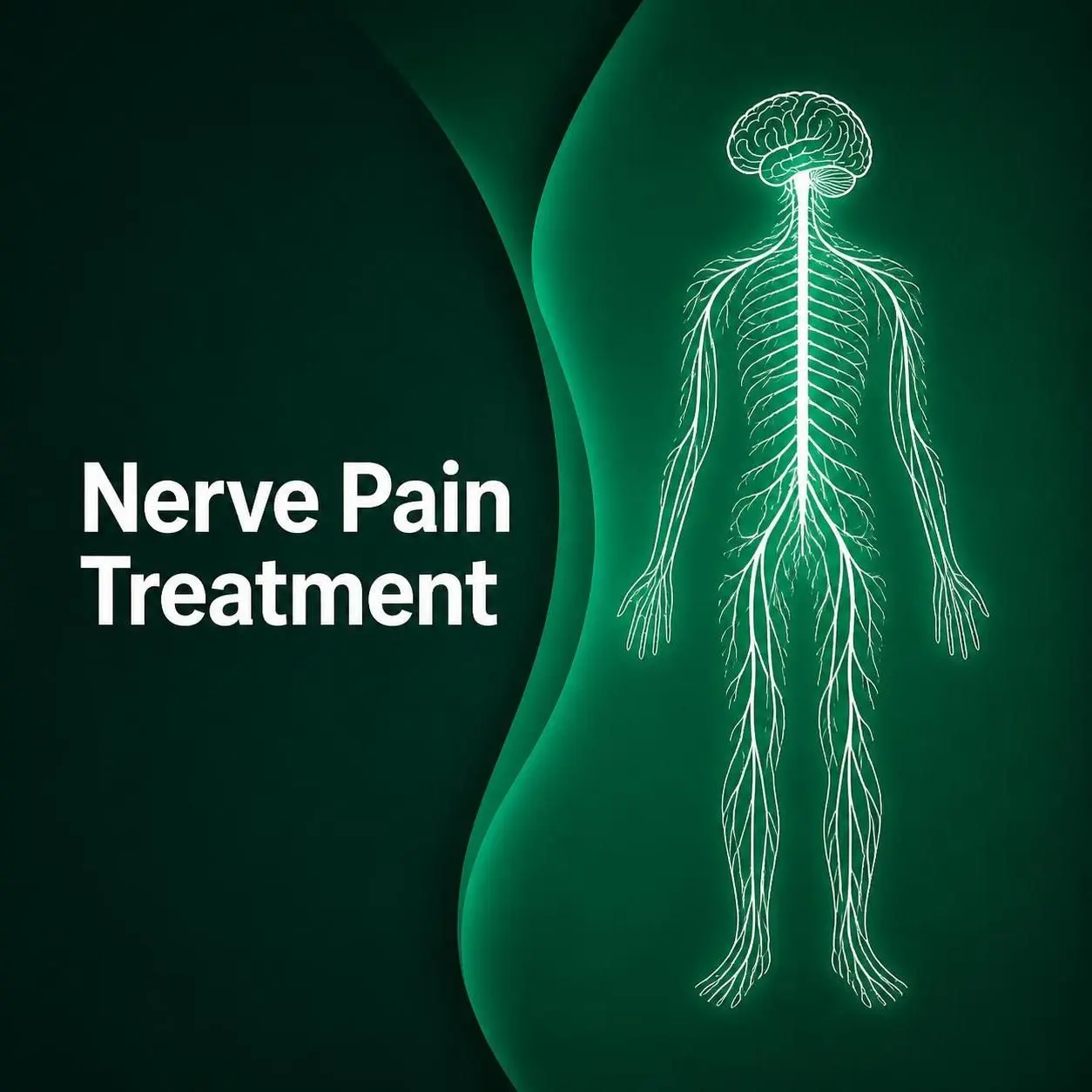
Nerve-related symptoms may include tingling, numbness, burning sensations or pain extending into the limbs. The cause needs to be assessed rather than assumed from the symptoms alone.
5. Injuries
Back or neck pain can follow falls, road traffic accidents or sports injuries. The appropriate assessment depends on the severity of the injury and any associated symptoms.
6. Other medical conditions
Some cases of back and neck pain may be associated with inflammatory conditions or other health problems. Persistent, unusual or worsening symptoms should be evaluated by a healthcare professional.
When Should You Seek a Back and Neck Pain Assessment?
Consider arranging a medical assessment if your pain persists, repeatedly returns, interferes with sleep or daily activities, or does not improve with appropriate self-care.
Assessment is particularly important if you experience:
- Pain spreading into an arm or leg.
- Recurrent tingling or numbness.
- Stiffness that limits neck or back movement.
- Pain that gradually worsens.
- Pain following an injury.
- New weakness or changes in sensation.
Seek urgent medical care for new or progressive limb weakness, numbness around the groin or saddle area, or new difficulty passing urine or loss of bladder or bowel control, particularly when accompanied by back pain. Severe neck or back injuries and sudden neurological symptoms also require urgent assessment.
How Are Back and Neck Problems Diagnosed?
The assessment generally involves understanding the patient’s symptoms, reviewing their medical history and performing a physical examination.
Medical history and symptoms
A clinician may ask where the pain occurs, when it started, how long it has lasted, whether it spreads to the limbs, what makes it better or worse, and whether there have been previous injuries or other symptoms.
Physical examination
Depending on the presentation, the examination may assess spinal movement, posture, muscle strength, sensation and neurological responses.
Imaging and further investigations
X-rays, MRI scans and other investigations are not necessary for every case of back or neck pain. A clinician may recommend imaging when specific findings suggest it is needed or when the results could change the treatment plan.
Imaging findings should be interpreted alongside the patient’s symptoms and examination because some spinal changes can occur in people who do not experience pain.
What Are the Treatment Options for Back and Neck Pain?
Treatment depends on the underlying cause, severity, duration and the patient’s overall health. Depending on the clinical assessment, options may include the following.
Conservative care and activity modification
Adjusting daily activities, temporarily avoiding movements that worsen symptoms and gradually returning to suitable activity may help improve many uncomplicated cases. Prolonged bed rest is generally not recommended for uncomplicated back pain.
Physiotherapy and appropriate exercise
When indicated, physiotherapy and tailored exercises may help improve mobility, flexibility, strength and daily function. Exercises should be appropriate to the patient’s condition, especially when there has been an injury or neurological symptoms are present.
Medication when appropriate
A clinician may recommend medication for short-term symptom relief in selected cases after considering the patient’s medical history, other medicines and potential risks. Medication should be used according to professional advice.
Management of spinal and nerve conditions
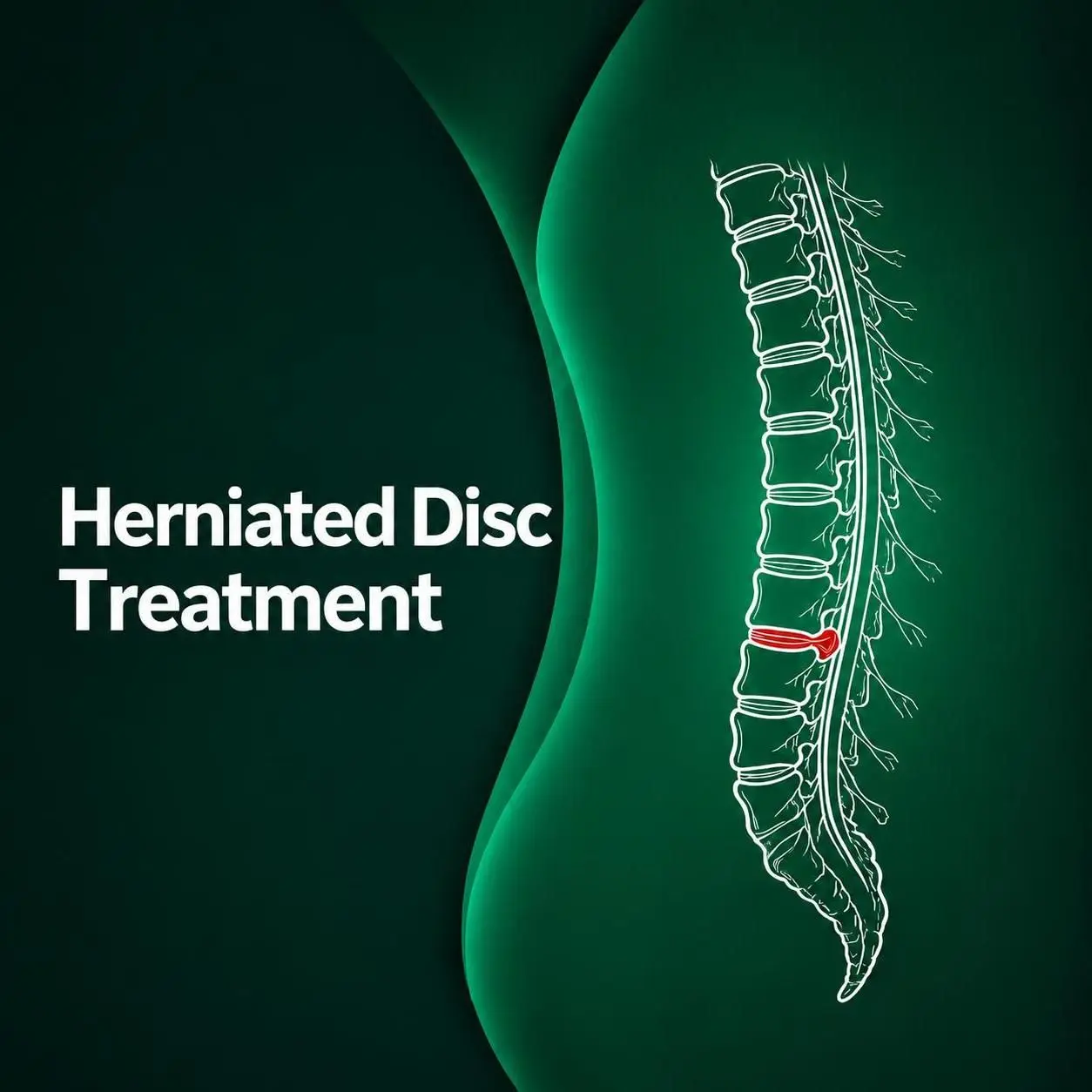
If the assessment suggests a herniated disc, nerve irritation or another spinal condition, further evaluation may help identify suitable treatment options. These conditions do not automatically require surgery.
Follow-up and specialist referral
Persistent or severe pain, worsening symptoms or findings that require specialist attention may lead to further investigations or referral to an appropriate specialist.
Available services and treatment plans should be confirmed with the healthcare centre after an individual assessment.
How Can You Help Prevent Back and Neck Pain?
Some everyday habits may help reduce strain and support comfortable movement:
- Change sitting positions regularly instead of remaining still for long periods.
- Position your computer screen at a comfortable viewing height.
- Take short movement breaks during desk work.
- Use appropriate lifting techniques and avoid sudden twisting while carrying heavy objects.
- Maintain suitable physical activity and increase exercise gradually.
- Choose a comfortable sleeping position and pillow that work for you.
- Seek medical advice if pain persists, recurs frequently or is accompanied by new symptoms.
Why Choose Ebn Haian Healthcare in Sharjah?
When searching for back and neck pain treatment in Sharjah, it is important to find appropriate care that takes your symptoms and individual needs into account.
At Ebn Haian Healthcare, the key priorities are:
- Careful symptom assessment: Understanding the location, duration and impact of the pain.
- Individualized next steps: Considering the patient’s history, examination and needs.
- Clear care options: Helping patients understand appropriate assessment and treatment pathways.
- Focus on daily function: Supporting appropriate steps toward comfortable movement and everyday activities.
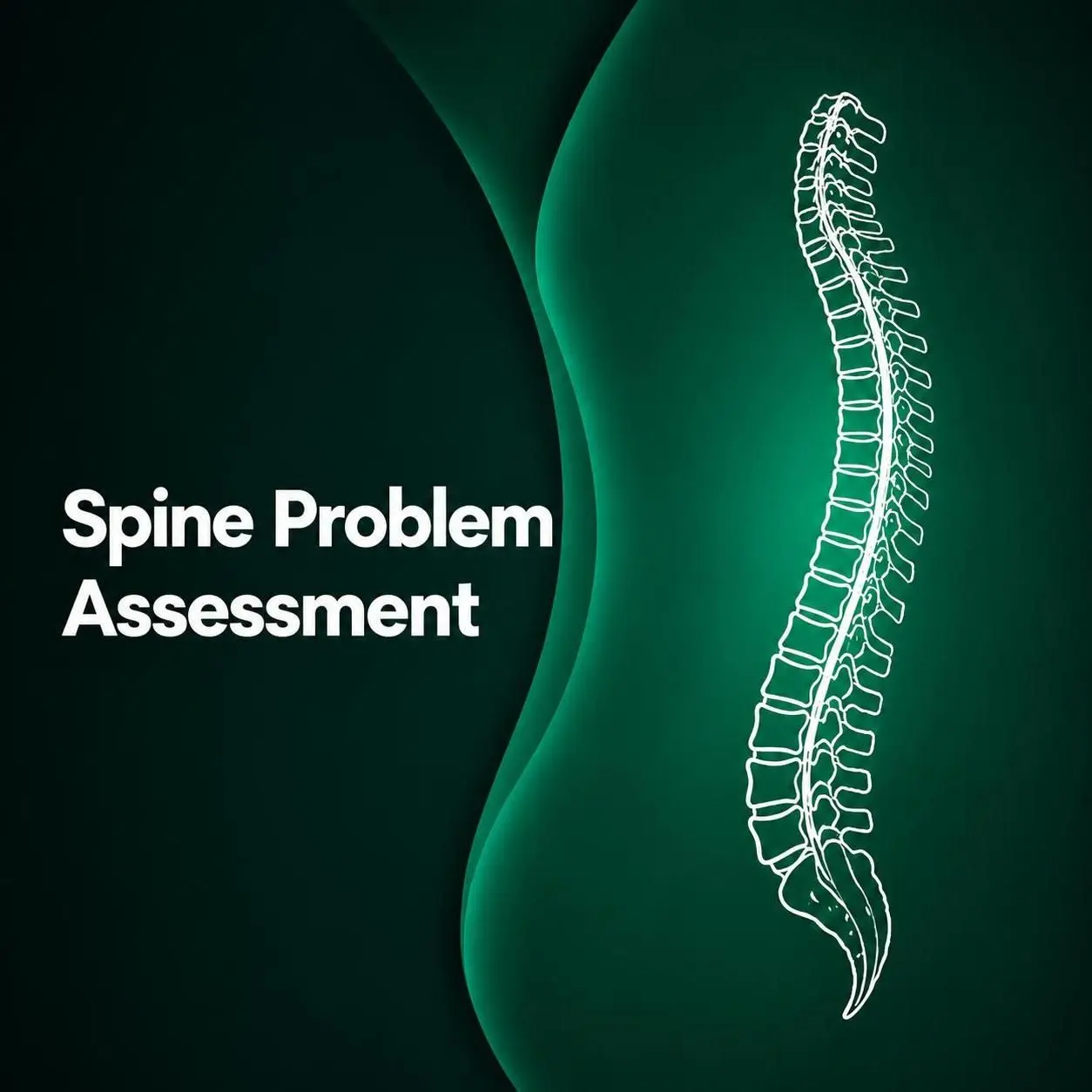
- Relevant service connections: Helping patients explore related services, such as spine assessment, nerve pain evaluation and herniated disc assessment when appropriate.
Contact Ebn Haian Healthcare to enquire about the availability of back and neck pain assessment, the appropriate clinician and the relevant branch in Sharjah.
3. Frequently Asked Questions About Back and Neck Pain Treatment
1. Where can I get back and neck pain treatment in Sharjah?
You can contact Ebn Haian Healthcare to enquire about available back and neck pain assessment services, the appropriate clinician and the branch where the service is available.
2. What are the common causes of lower back pain?
Lower back pain may be associated with muscle strain, joint problems, spinal disc conditions or other causes. A clinical assessment helps determine the likely cause.
3. What causes neck pain and stiffness?
Neck pain may result from muscle strain, prolonged sitting, posture-related stress or spinal joint conditions. Persistent pain or symptoms such as numbness or weakness should be medically assessed.
4. Can back pain improve without surgery?
Yes. Many cases improve with appropriate activity, conservative care, physiotherapy when indicated and medication when recommended by a clinician. Treatment depends on the underlying condition.
5. Can neck pain cause shoulder or arm pain?
Yes. Some neck conditions can cause pain that spreads to the shoulder or arm, including conditions involving nerve irritation. Other causes are possible, so persistent or worsening symptoms should be assessed.
6. Do I need an MRI for back or neck pain?
Not everyone needs an MRI. The decision depends on the symptoms, examination findings and whether imaging is likely to affect the treatment plan.
7. Can prolonged sitting cause back and neck pain?
Prolonged sitting without regular movement may contribute to muscle strain and discomfort in some people. Changing positions, taking movement breaks and adjusting the workstation may help reduce strain.
8. When is back or neck pain a medical emergency?
Urgent assessment is needed for new or progressive weakness, numbness around the saddle area, new difficulty passing urine or loss of bladder or bowel control, particularly with back pain. Severe injuries and sudden neurological symptoms also require urgent care.