
Overview
Nerve Pain Treatment in Sharjah
Nerve pain can feel like burning, tingling, numbness, sharp shooting pain or electric shocks. It may affect the hands, feet, back, neck or the area along a particular limb. The causes vary and may include nerve compression, peripheral neuropathy or a medical condition that affects how nerves function.
At Ebn Haian Healthcare, patients in Sharjah can enquire about suitable medical services for assessing nerve pain and determining the next steps. Treatment starts with understanding the possible cause, because addressing symptoms alone may not be enough when an underlying condition needs attention.
What Is Nerve Pain?
Nerve pain, also called neuropathic pain, is associated with irritation, injury or dysfunction of nerves or the way the nervous system processes signals. Unlike some muscle or joint pain, nerve pain may feel burning, shooting, sharp or similar to an electric shock.
It may affect one nerve or several peripheral nerves. Pain can be constant or intermittent, become more noticeable at night or occur when an area is touched. These symptoms do not identify the cause by themselves, so a medical assessment is important.
What Are the Symptoms of Nerve Pain?
Symptoms depend on which nerves are affected and the underlying cause. They may include:
- Burning, sharp or electric-shock-like pain.
- Tingling or a pins-and-needles sensation.
- Numbness or reduced sensitivity to touch or temperature.
- Pain caused by light touch or clothing rubbing against the skin.
- Pain spreading from the back into the leg or from the neck into the arm.
- Muscle weakness or difficulty holding objects or walking.
- Balance problems in some types of neuropathy.
- Symptoms that become worse at night and disturb sleep.
Sudden weakness on one side of the body, facial drooping or difficulty speaking requires emergency medical attention because these can be signs of an acute neurological emergency.
What Causes Nerve Pain?
Nerve pain has several possible causes. Identifying the cause is important because treatment differs from one condition to another.
1. Peripheral Neuropathy
Peripheral neuropathy affects the nerves that carry sensory and movement signals between the central nervous system and the rest of the body. It may cause burning, tingling, numbness or pain in the feet and hands, and sometimes muscle weakness.
2. Diabetes
Long-term high blood glucose can damage nerves, causing diabetic neuropathy. Symptoms may include burning, tingling or reduced sensation in the feet. Diabetes management and regular foot checks are important for reducing the risk of complications.
3. Nerve Compression Related to the Spine
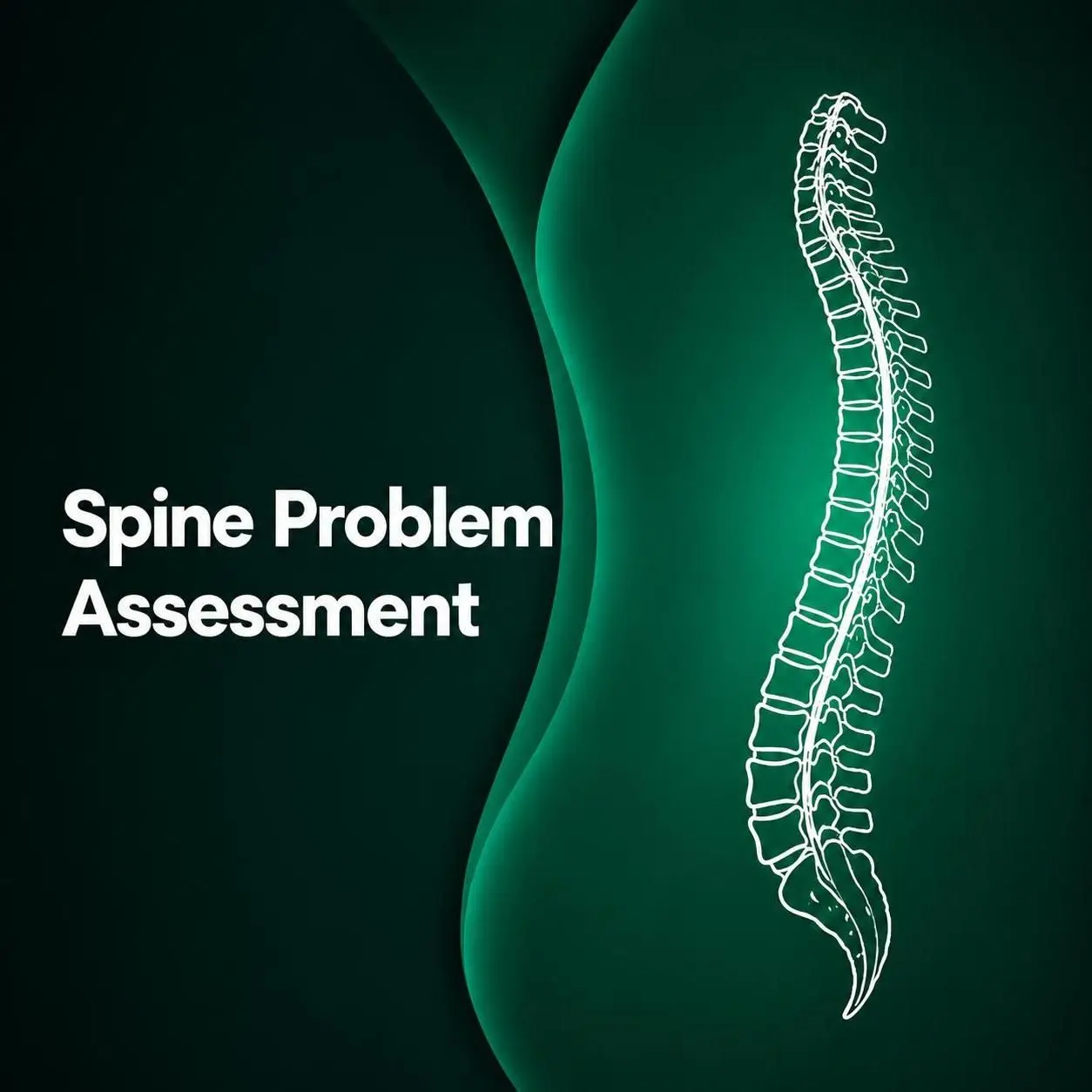
A herniated disc, spinal canal narrowing or another spinal condition may compress a nerve. Pain may then travel from the lower back into the leg or from the neck into the arm.
If symptoms are associated with back or neck pain that radiates into the limbs, the separate herniated disc treatment page may also be relevant when available on the website.
4. Vitamin Deficiencies and Other Medical Conditions
Neuropathy may be associated with certain vitamin deficiencies, including vitamin B12 deficiency, thyroid disorders, kidney disease or other health conditions. Medical assessment and selected tests may be needed to identify the cause.
5. Nerve Injury or Entrapment
A nerve can be affected by an injury, repeated pressure or compression in a specific area, such as the wrist or elbow. This may cause pain, numbness or weakness in the area supplied by that nerve.
6. Other Causes
Some nerve pain conditions may be associated with infections, autoimmune diseases, medication side effects or inherited conditions. In some cases, the cause is not immediately clear and further assessment may be needed.
How Is Nerve Pain Diagnosed?
Assessment usually begins with a medical history, including the nature and location of the pain, when it started, associated symptoms, existing medical conditions and current medicines. The examination may include muscle strength, sensation, reflexes and balance.
Depending on the symptoms, a clinician may recommend:
- Blood tests: To check for possible causes such as abnormal blood glucose, vitamin deficiencies or other medical conditions.
- Nerve conduction studies and electromyography (EMG): To help assess nerve and muscle function when indicated.
- Medical imaging: Such as an MRI scan when nerve compression, a spinal condition or another structural cause is suspected.
Not everyone needs all these tests. The appropriate investigations depend on the initial examination and the patient’s symptoms.
Nerve Pain Treatment in Sharjah
Treatment depends on the underlying cause, the location of the affected nerves, symptom severity and how the pain affects daily life. A clinician may recommend one or more of the following options based on the assessment.
1. Treating the Underlying Cause
If nerve pain is related to diabetes, improving blood glucose management may help reduce the risk of further nerve damage. If a confirmed vitamin deficiency or another medical condition is responsible, the clinician may recommend treating that problem.
2. Medication for Neuropathic Pain
A clinician may prescribe medicines specifically used for neuropathic pain. These differ from some commonly used painkillers. Medication choice and dosage depend on the diagnosis, general health and other medicines being taken.
Do not start, change or stop nerve pain medication without medical advice. Some medicines can cause side effects or need to be reduced gradually.
3. Physiotherapy and Rehabilitation
Physiotherapy may help improve movement, strength, balance and the ability to carry out everyday activities, particularly when pain affects walking or mobility. The programme should be tailored to the underlying condition rather than relying on the same exercises for everyone.
4. Managing Nerve Compression
When pain is caused by a compressed nerve, treatment may involve activity modification, supportive devices or non-surgical care. Additional procedures or surgery may be discussed in selected cases, depending on the site and severity of compression and the clinical findings.
5. Ongoing Care for Chronic Symptoms
Some nerve pain conditions require regular follow-up to review treatment response, symptoms and possible medication side effects. For people with diabetes or reduced sensation, foot care and injury prevention can help reduce complications.
There is no single treatment suitable for every type of nerve pain, and complete pain relief cannot be guaranteed without understanding the cause and nature of the condition.
When Should You Seek Urgent Medical Care?
Seek emergency care for sudden neurological symptoms, such as sudden weakness in the face, arm or leg, difficulty speaking, sudden vision problems or sudden loss of balance.
Back pain accompanied by new loss of bladder or bowel control, difficulty urinating or numbness around the genitals or inner thighs may indicate serious nerve compression and requires emergency hospital assessment.
Persistent or worsening pain, repeated numbness or muscle weakness should also be assessed promptly, even when there are no emergency symptoms.
How Can You Support Nerve Health?
- Manage chronic conditions, particularly diabetes, according to medical advice.
- Eat a balanced diet and avoid high-dose supplements unless medically indicated.
- Stay physically active within your ability and professional guidance.
- Avoid prolonged or repeated positions that put pressure on nerves.
- Check your feet regularly if you have diabetes or reduced sensation.
- Seek medical advice for new numbness, persistent pain or muscle weakness.
- Do not rely only on painkillers if symptoms continue or worsen.
Enquire About Nerve Pain Assessment in Sharjah
If you are looking for nerve pain treatment in Sharjah or an assessment for burning, tingling, numbness or pain radiating into the limbs, contact Ebn Haian Healthcare to enquire about available services and appropriate next steps.
An assessment can help determine whether symptoms may be related to peripheral neuropathy, nerve compression or another cause, and whether blood tests, further investigations or specialist referral may be appropriate.
Medical disclaimer: This page is for general educational purposes and does not replace professional medical advice or diagnosis. Seek emergency care for sudden neurological symptoms or signs of serious nerve compression.