
Overview
Spine Assessment in Sharjah
Spinal problems can affect movement, sitting, sleeping and everyday activities. Symptoms may include lower back or neck pain, stiffness, restricted movement or pain that travels into an arm or leg when a nerve is affected. Causes range from muscle and joint strain to disc problems, vertebral conditions or nerve compression.
At Ebn Haian Healthcare, patients in Sharjah can enquire about available medical services for assessing spinal problems and identifying appropriate next steps. A structured assessment helps clarify the nature of the symptoms and whether follow-up, conservative treatment, further investigations or specialist referral may be appropriate.
What Is a Spine Assessment?
A spine assessment is a medical evaluation intended to help identify the possible cause of symptoms such as back or neck pain, restricted movement, numbness or pain radiating into the limbs.
Assessment does not rely on imaging alone. It usually begins with a medical history and physical examination, which may include checking movement, muscle strength, sensation and neurological reflexes. The clinician decides whether X-rays, MRI or other investigations are needed based on the findings and whether the results are likely to affect treatment decisions.
Which Conditions May Need a Spine Assessment?
An assessment may be appropriate when symptoms are persistent, recurrent or interfere with movement. Conditions and symptoms that may be evaluated include:
1. Lower Back Pain
Lower back pain may result from muscle or ligament strain, joint or disc problems, or other causes. Assessment helps clarify the nature of the pain and identify warning signs that may require urgent attention.
2. Neck and Shoulder Pain
Neck pain may be associated with muscles, joints, discs or nerves. It can sometimes spread to the shoulder or arm, particularly when a nerve in the neck is affected.
3. Herniated Disc
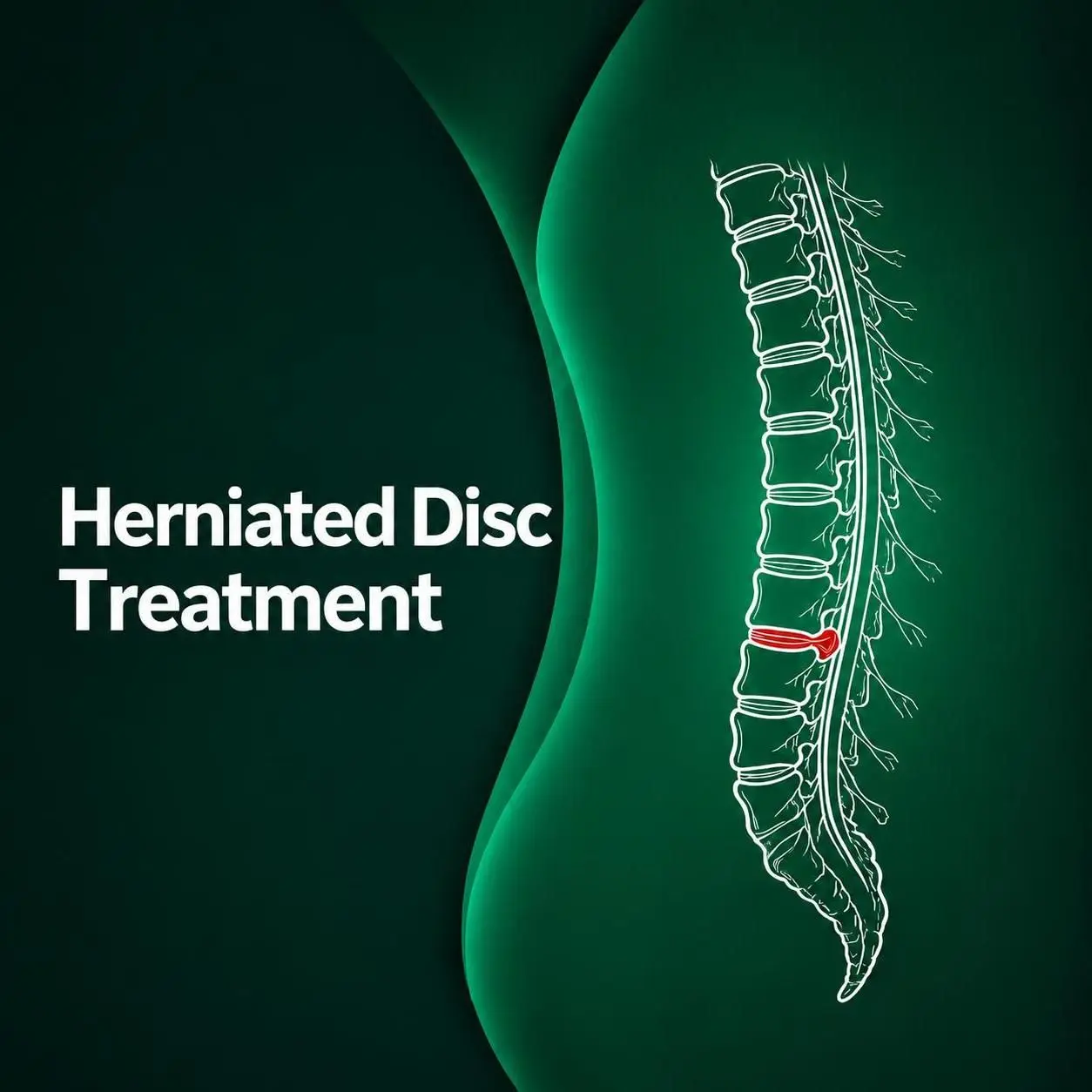
A herniated disc occurs when part of a disc between the vertebrae protrudes and may irritate or compress a nearby nerve. An imaging finding does not necessarily explain a person’s symptoms; it must be interpreted alongside the clinical examination.
4. Pain Radiating into the Arm or Leg
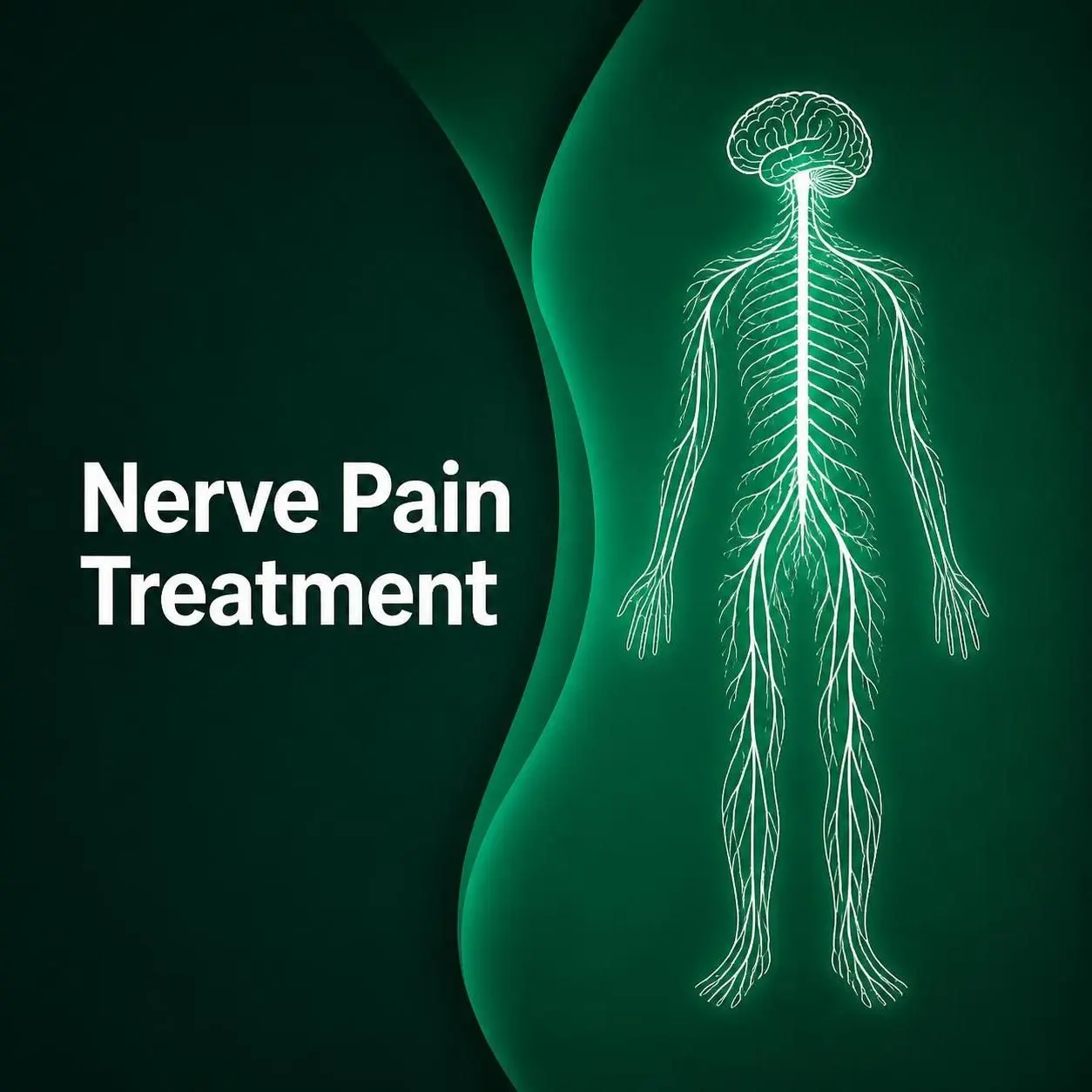
Pain travelling from the lower back into the leg or from the neck into the arm may indicate nerve irritation or compression. Tingling, numbness or muscle weakness may also occur. The urgency of assessment depends on the severity and progression of the symptoms.
5. Spinal Stiffness and Restricted Movement
Some people experience difficulty bending, turning or standing for long periods. Causes may be muscular, joint-related or associated with other conditions, so the symptoms and physical examination help guide the next steps.
6. Symptoms Following an Injury
Back or neck pain after a fall, accident or other injury may need medical assessment, particularly if pain is severe or movement is difficult. If a serious spinal injury is suspected, seek emergency care.
What Symptoms May Require a Spine Assessment?
Consider a medical assessment if you experience:
- Persistent or recurring back or neck pain.
- Pain that worsens with movement or affects sleep and daily activities.
- Pain travelling into an arm or leg.
- Tingling or numbness in the limbs.
- Muscle weakness or difficulty walking or holding objects.
- Stiffness or reduced movement in the back or neck.
- Pain following an injury or fall.
- Pain accompanied by fever or unexplained general illness.
The urgency depends on the symptoms. Do not wait for a routine appointment if you develop sudden or progressive weakness or new bladder or bowel problems.
How Are Spinal Problems Assessed?
1. Medical History
The clinician may ask about the location, duration and severity of the pain, whether it spreads into the limbs, what makes it better or worse, previous injuries, existing medical conditions, current medicines and the effect on daily life.
2. Physical Examination
Depending on the symptoms, the examination may include posture, spinal movement, muscle strength, sensation, neurological reflexes and walking. These findings can help determine whether symptoms may be related to muscles, joints or nerves and whether further tests are needed.
3. Imaging When Necessary
Imaging is not necessary for every person with back or neck pain. A clinician may recommend imaging when the results are expected to help clarify the diagnosis or influence the treatment plan.
- X-ray: May help assess certain bone conditions, alignment issues or suspected fractures.
- MRI: Can provide detailed information about discs, nerves and other soft tissues and may be appropriate in selected cases.
- CT scan: May be used in specific circumstances to assess bones or injuries when clinically indicated.
The choice of investigation depends on the symptoms, medical history and examination findings rather than a routine need for scans.
4. Further Tests or Specialist Referral
Some cases may require blood tests, neurological investigations or assessment by a specialist, particularly when there is muscle weakness, persistent symptoms or concern about a condition requiring specialised care.
What Treatment Options May Follow a Spine Assessment?
Treatment depends on the underlying cause, symptom severity and any effect on nerves or movement. Options a clinician may discuss include:
1. Activity Modification and Self-Care
Advice may include maintaining appropriate movement, avoiding activities that clearly worsen pain, taking regular breaks from prolonged sitting and adjusting work or sleeping positions where helpful. Prolonged bed rest is generally not recommended without specific medical advice.
2. Physiotherapy and Appropriate Exercise
An individualised physiotherapy programme may help improve movement, flexibility, strength and everyday function. Exercises should be matched to the diagnosis and symptoms, especially when pain radiates into a limb or is accompanied by numbness or weakness.
3. Medication When Appropriate
A clinician may recommend medication for pain in selected cases, taking into account the patient’s medical history, other medicines and potential risks. Do not start medication or change a prescribed dose without professional advice.
4. Assessment of a Herniated Disc or Nerve Compression
If the assessment suggests a disc problem or nerve compression, further evaluation or an individualised treatment plan may be needed. Patients can also explore the separate herniated disc treatment or nerve pain treatment pages when available on the website.
5. Specialist Referral or Surgical Assessment
Referral to a specialist may be appropriate when symptoms persist, neurological signs develop or a more specialised evaluation is needed. Surgery may be discussed in selected cases, but not every spinal problem or herniated disc requires an operation.
When Are Spinal Problems an Emergency?
Seek emergency medical care immediately if you experience:
- New loss of bladder or bowel control, or new difficulty urinating.
- Numbness around the genitals or inner thighs.
- Severe or progressive leg weakness or sudden difficulty walking.
- Severe pain after an accident or injury with possible spinal damage.
- Sudden weakness on one side of the body or difficulty speaking.
These symptoms may indicate conditions requiring urgent hospital assessment. Do not delay care while waiting for a clinic appointment.
How Can You Support Spinal Health?
- Maintain physical activity appropriate to your ability and professional advice.
- Avoid staying in one position for long periods and take regular movement breaks.
- Use safe lifting techniques and avoid sudden twisting while carrying heavy objects.
- Adjust your screen and chair height to reduce strain on the neck and back.
- Seek advice if pain persists, recurs or is accompanied by neurological symptoms.
- Do not rely on imaging alone to determine the cause of pain or select treatment.
Enquire About Spine Assessment in Sharjah
If you are looking for a spine assessment in Sharjah because of back pain, neck pain or symptoms radiating into the limbs, contact Ebn Haian Healthcare to enquire about available services and appropriate next steps.
An assessment can help determine whether further investigations, conservative treatment or specialist referral may be appropriate. The plan should be based on the individual clinical findings, while avoiding unnecessary tests or procedures.
Medical disclaimer: This page is for general educational purposes and does not replace professional medical advice or diagnosis. Warning signs require urgent hospital assessment.