Overview
Herniated Disc Treatment in Sharjah
A herniated disc, commonly called a slipped disc, can cause pain in the lower back or neck. When a disc affects nearby nerves, symptoms may extend into the leg, shoulder, arm or hand. The location and severity of symptoms vary from person to person.
At Ebn Haian Healthcare, patients can enquire about an appropriate medical assessment for herniated disc symptoms in Sharjah. The next steps depend on the clinical examination, symptoms and imaging findings when necessary. A herniated disc does not automatically mean that surgery is required.
What Is a Herniated Disc?
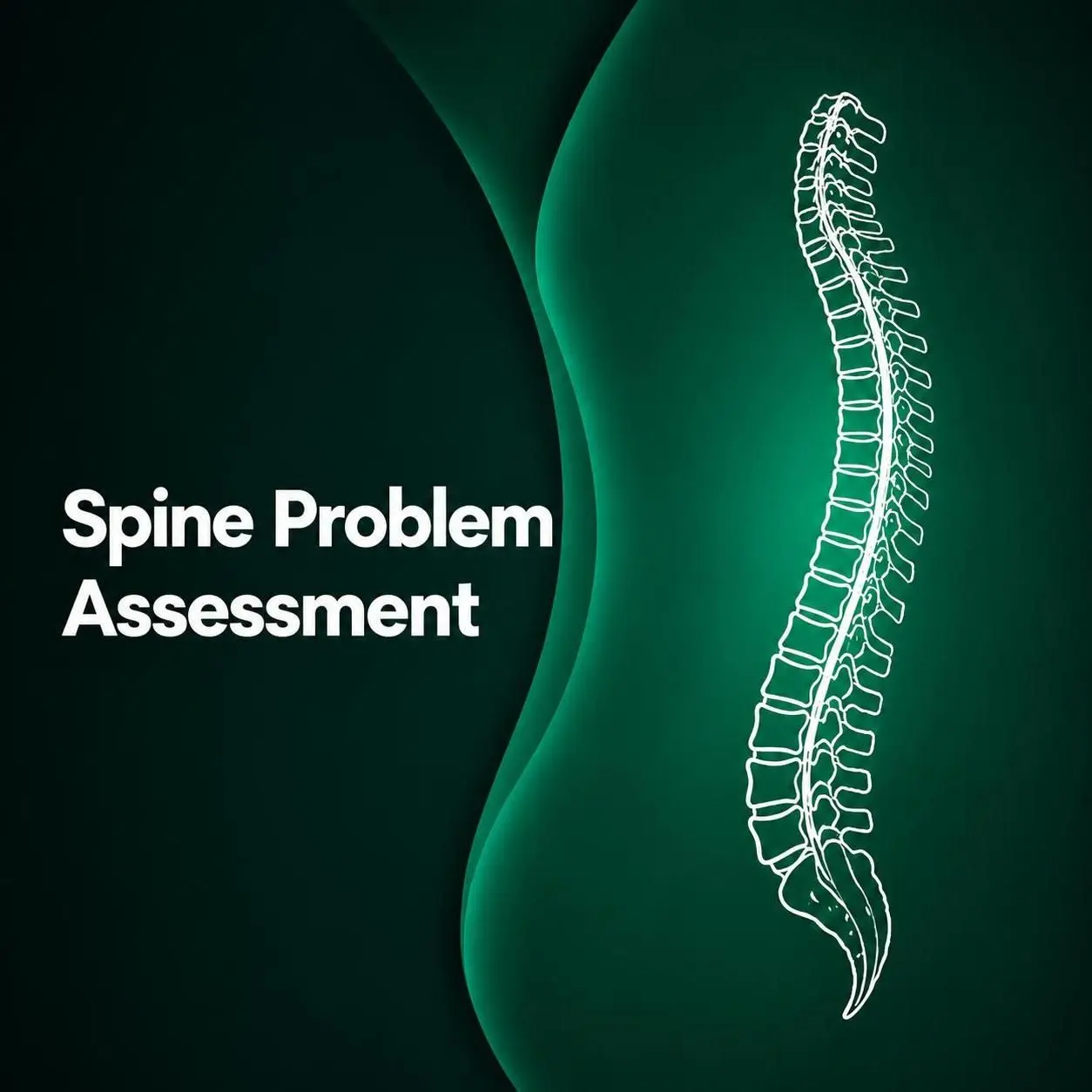
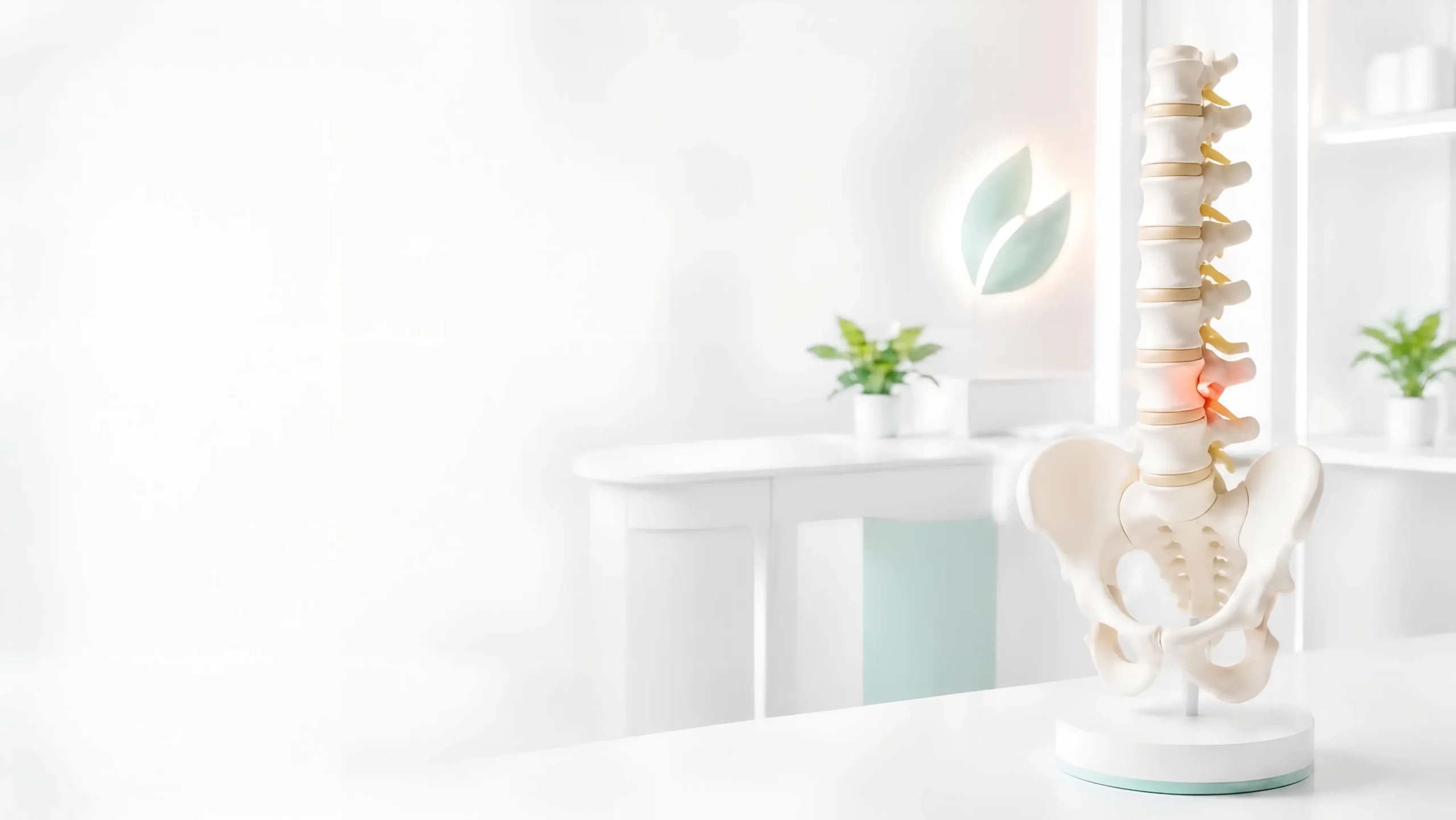
The spine contains soft discs between its vertebrae. These discs help absorb pressure and support movement. A herniated disc occurs when part of a disc pushes through its outer layer and may irritate or compress a nearby nerve.
Herniated discs commonly affect the lower back but can also occur in the neck. Some people have disc changes on an MRI without noticeable symptoms. Imaging findings should therefore be interpreted alongside the clinical assessment rather than in isolation.
Types of Herniated Disc
1. Lumbar Herniated Disc
A lumbar disc affects the lower back. It may cause lower back pain that spreads to the buttock, thigh, calf or foot. When the sciatic nerve is irritated, symptoms may include pain commonly described as sciatica.
2. Cervical Herniated Disc
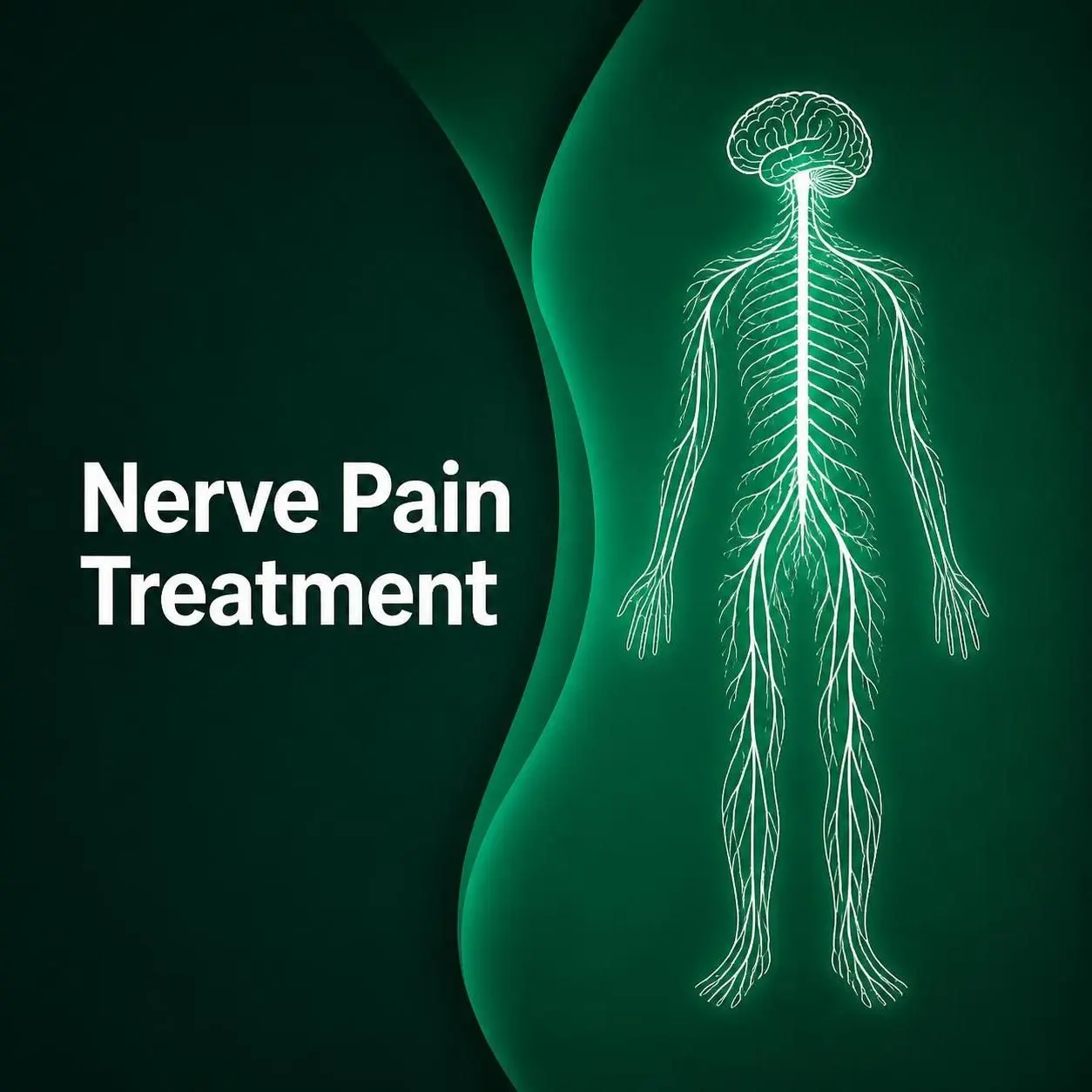
A cervical disc affects the neck. Symptoms may include neck pain that travels into the shoulder, arm or hand, sometimes accompanied by tingling, numbness or muscle weakness.
What Are the Symptoms of a Herniated Disc?
Symptoms depend on the disc’s location and whether nearby nerves are affected. They may include:
- Pain in the lower back or neck.
- Pain spreading from the back into the buttock or leg.
- Pain travelling from the neck into the shoulder or arm.
- Tingling or numbness in the hand, leg or foot.
- Muscle weakness or difficulty walking or holding objects.
- Pain that worsens with certain movements, coughing or sneezing.
- Difficulty bending or changing position comfortably.
These symptoms can have causes other than a herniated disc. A medical assessment is recommended if pain persists, worsens or interferes with everyday activities.
What Causes a Herniated Disc?
A herniated disc may develop due to age-related changes in the discs or following an injury or strain. Contributing factors can include:
- Lifting heavy objects with poor technique.
- Repeated movements that strain the back.
- Prolonged sitting and limited physical activity.
- Excess body weight, which can increase the load on the spine.
- Reduced muscular fitness or insufficient regular activity.
- Disc degeneration or certain injuries.
The cause cannot always be identified without an appropriate assessment.
How Is a Herniated Disc Diagnosed?
Assessment usually begins with a medical history and a physical examination. A clinician may ask where the pain occurs, how long it has lasted and whether it travels into the arms or legs. The examination may include checking movement, muscle strength, sensation and reflexes.
An MRI scan may be recommended when clinically indicated, such as when symptoms persist, nerve involvement is suspected or further information is needed to plan treatment. Other tests may be considered depending on the findings.
Not everyone with back pain needs imaging, and an abnormal scan alone does not prove that a disc is causing the symptoms.
Herniated Disc Treatment in Sharjah
Treatment depends on the location of the disc, symptom severity, nerve involvement and the patient’s overall health. Options a clinician may consider include:
1. Conservative Treatment and Medication
A clinician may recommend modifying activities and using suitable pain-relieving or anti-inflammatory medication when appropriate. Medication choice should account for medical history and other medicines, as anti-inflammatory drugs are not suitable for everyone.
2. Physiotherapy and Guided Exercise
An individualised physiotherapy programme may help improve movement, strengthen supporting muscles and support a gradual return to daily activities. Exercises should be selected according to the patient’s condition, especially if pain radiates into an arm or leg or is accompanied by numbness or weakness.
3. Injections in Selected Cases
For some patients with persistent symptoms, a clinician may discuss an injection near an affected nerve to help reduce pain or inflammation. The potential benefits, risks and suitability depend on the diagnosis. Injections are not necessary or appropriate for every patient.
4. Herniated Disc Surgery
Most people do not need surgery. However, surgery may be considered when disabling symptoms persist despite appropriate non-surgical treatment or when there is significant or progressive nerve dysfunction. A spine specialist can assess the symptoms, examination and imaging before discussing suitable procedures.
Important: No treatment can be guaranteed to work for every patient. The appropriate plan depends on an individual medical assessment.
When Is a Herniated Disc an Emergency?
Seek emergency medical care immediately if back or leg pain is accompanied by any of the following:
- New difficulty starting urination or an inability to urinate.
- Loss of bladder or bowel control.
- New numbness around the genitals, inner thighs or anus.
- Severe or worsening weakness in the legs, or sudden difficulty walking.
These symptoms may indicate serious nerve compression that requires urgent hospital assessment. Do not wait for a routine appointment if they occur.
How Can You Reduce Strain on Your Back and Neck?
- Move regularly and avoid sitting continuously for long periods.
- Use safe lifting techniques and keep loads close to your body.
- Maintain physical activity appropriate to your ability and clinical advice.
- Adjust your workstation and screen position to reduce neck strain.
- Avoid prolonged bed rest unless specifically advised by a clinician.
- Seek advice if pain recurs or is accompanied by numbness or weakness.
Enquire About Herniated Disc Assessment in Sharjah
If you are looking for herniated disc treatment in Sharjah or want to understand the cause of persistent back or neck pain, contact Ebn Haian Healthcare to enquire about available services and an appropriate medical assessment.
Assessment can help determine whether further investigations, conservative treatment or referral to a specialist may be appropriate. Treatment decisions should be based on the patient’s symptoms and clinical findings, not imaging alone.
Medical disclaimer: This page is for general educational purposes and does not replace professional medical advice or diagnosis. Emergency symptoms require immediate medical attention.